How to Tell If Your Hair Is Damaged: A Complete Guide to Recognizing the Early Warning Signs
Healthy, shiny hair is often a sign of proper care and good overall hair health. However, daily styling, heat tools, chemical treatments, pollution, and even simple habits like brushing your hair the wrong way can gradually weaken your strands. The problem is that many people don’t notice the early symptoms until the damage becomes severe.
If you’ve ever wondered how to tell if your hair is damaged, you’re in the right place. Learning how to tell if your hair is damaged allows you to catch problems early, choose the right treatments, and prevent further breakage before it becomes difficult to repair.
Hair damage doesn’t happen overnight. It develops gradually as the protective outer layer of the hair, known as the cuticle, becomes worn down. Once this protective barrier is weakened, moisture escapes more easily, the inner hair structure becomes vulnerable, and your hair begins to lose its strength, softness, and shine.
The good news is that recognizing the signs early can help you build a healthier hair care routine and restore your hair’s appearance over time. In this guide, you’ll learn how to tell if your hair is damaged, what causes it, and which warning signs you should never ignore.
What Does Damaged Hair Mean?
Before learning how to tell if your hair is damaged, it’s helpful to understand what hair damage actually is.
Each strand of hair is made up of several layers. The outermost layer, called the cuticle, acts like protective shingles on a roof. In healthy hair, these cuticles lie flat, locking in moisture and reflecting light to create a smooth, shiny appearance.
When hair is exposed to excessive heat, bleaching, coloring, harsh chemicals, UV rays, friction, or rough handling, these cuticles begin to lift or crack. As a result, moisture escapes, proteins weaken, and the inner hair structure becomes exposed. This is when hair starts feeling dry, rough, and fragile.
Knowing how to tell if your hair is damaged starts with recognizing these visible and physical changes before they become worse.
Why It’s Important to Identify Hair Damage Early
Many people confuse damaged hair with naturally dry hair. While both conditions can make hair feel rough and frizzy, they require different types of care.
When you know how to tell if your hair is damaged, you can:
- Prevent excessive breakage
- Reduce split ends
- Choose products that actually help your hair
- Avoid treatments that make the damage worse
- Maintain healthier, stronger hair over time
Ignoring damaged hair often leads to increased frizz, uneven lengths, dullness, and even thinning caused by hair breakage.
10 Signs That Tell You Your Hair Is Damaged
1. Split Ends
One of the easiest ways to understand how to tell if your hair is damaged is by checking the ends of your hair.
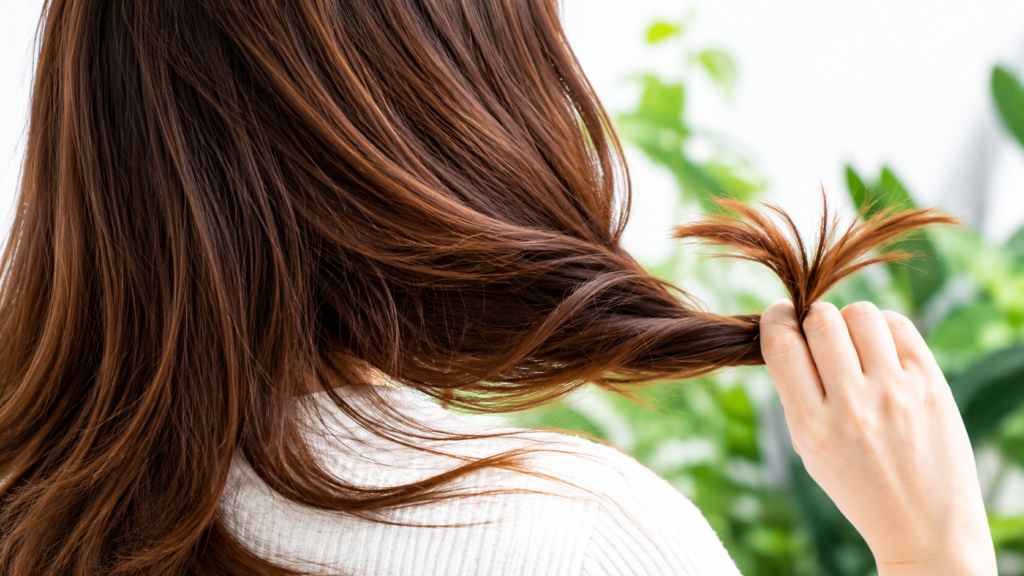
Healthy hair has smooth, sealed ends. Damaged hair develops split ends where one strand divides into two or more pieces. As the split travels upward, it weakens the entire strand, making breakage much more likely.
If you notice white dots at the ends of your hair or multiple splits, it’s time to trim the damaged portions and improve your hair care routine.
2. Excessive Hair Breakage
Hair naturally sheds every day, but breakage is different.
Instead of losing full-length strands with a white bulb at the root, damaged hair snaps into shorter pieces. You may notice broken hairs on your pillow, clothing, bathroom floor, or hairbrush.
Frequent breakage is one of the strongest answers to how to tell if your hair is damaged, especially if your hair never seems to grow longer despite regular care.
3. Hair Feels Dry and Brittle
Dryness doesn’t always mean damage, but severely damaged hair usually feels extremely dry.
When the cuticle becomes damaged, it can no longer hold moisture effectively. This leaves hair feeling:
- Straw-like
- Rough
- Brittle
- Hard to manage
Even after conditioning, damaged hair often feels dry because it struggles to retain hydration.
4. Frizz That Won’t Go Away
A little frizz is normal, especially in humid weather.
However, if your hair remains frizzy no matter how many smoothing products you use, the cuticle may already be damaged.
Raised cuticles prevent hair strands from lying flat, making frizz one of the most common signs when learning how to tell if your hair is damaged.
5. Hair Looks Dull Instead of Shiny
Healthy hair reflects light because its cuticles are smooth and even.
Damaged hair has rough, lifted cuticles that scatter light instead of reflecting it. As a result, hair appears:
- Lifeless
- Dull
- Faded
- Lacking natural shine
If your hair suddenly loses its healthy glow despite regular washing, damage could be the reason.
6. Hair Tangles Easily
Do you spend several minutes trying to remove knots every morning?
Damaged hair develops rough surfaces that catch onto neighboring strands, creating tangles much more easily than healthy hair.
If your comb constantly gets stuck or brushing causes pain and snapping, your hair may already be damaged.
7. Rough Texture
Run your fingers through your hair from root to tip.
Healthy hair usually feels soft and silky.
Damaged hair often feels:
- Coarse
- Uneven
- Rough
- Dry
You may even notice certain sections feel much rougher than others, especially around the ends.
8. Hair Doesn’t Hold Styles Well
If curls disappear quickly or straightened hair becomes frizzy within a short time, damage may be affecting your hair’s structure.
Weak hair fibers struggle to maintain shape because their internal protein bonds have been compromised.
9. High Hair Porosity
Highly porous hair absorbs water very quickly but also loses moisture just as fast.
Common signs include:
- Hair dries extremely fast
- Conditioner doesn’t seem to work
- Hair feels dry again shortly after washing
- Color fades quickly
High porosity is often linked with damaged cuticles.
10. Poor Elasticity
Hair elasticity is one of the easiest ways to check overall hair health.
Take a single wet strand and gently stretch it.
- Healthy hair stretches slightly before returning to its original length.
- Dry hair stretches but struggles to bounce back.
- Damaged hair snaps quickly with very little stretching.
This simple elasticity test can reveal whether your hair’s internal structure has weakened.
Why Hair Damage Gets Worse Over Time
Hair damage is cumulative.
Every time you expose your hair to high heat, bleach, harsh brushing, UV rays, or tight hairstyles, tiny amounts of damage build up. Eventually, your hair loses its natural strength, making future damage happen even faster.
That’s why recognizing how to tell if your hair is damaged early is one of the best ways to protect your hair before the problem becomes severe.
What Causes Hair Damage? Dry Hair vs. Damaged Hair & How to Restore Hair Health
Now that you know how to tell if your hair is damaged, the next step is understanding why it happens. Hair damage rarely has a single cause. Instead, it’s usually the result of repeated stress on your hair over weeks, months, or even years. From heat styling to chemical treatments and environmental exposure, everyday habits can gradually weaken your hair without you realizing it.
The better you understand these causes, the easier it becomes to protect your hair and prevent future damage.
What Causes Hair Damage?
Healthy hair has a strong outer layer called the cuticle that protects the inner structure. When this protective layer becomes cracked or lifted, moisture escapes, proteins break down, and the hair fiber becomes weak. This eventually leads to breakage, roughness, and dullness.
Here are the most common causes of damaged hair.
1. Heat Styling
One of the biggest reasons people search for how to tell if your hair is damaged is excessive heat styling.
Using flat irons, curling irons, hot brushes, and blow dryers on high temperatures removes moisture from the hair shaft. Over time, repeated heat weakens the cuticle and reduces elasticity.
Common signs of heat damage include:
- Dry, rough strands
- Frizz that won’t smooth down
- Split ends
- Hair that no longer holds curls
- Increased breakage
Reducing heat styling and always using a heat protectant can significantly lower the risk of damage.
2. Chemical Treatments
Hair coloring, bleaching, relaxing, perming, and straightening treatments change the hair’s natural structure.
While these services can create beautiful results, frequent chemical processing may weaken hair proteins and increase porosity.
Signs of chemical damage include:
- Brittle texture
- Elastic, gummy hair when wet
- Split ends
- Excessive shedding caused by breakage
- Hair that snaps easily
Spacing out chemical services gives your hair time to recover.
3. Overwashing
Washing your hair too often strips away natural oils that protect each strand.
Without enough natural oil, hair loses moisture faster and becomes more vulnerable to damage.
If your scalp becomes oily quickly, focus shampoo on the scalp rather than scrubbing the hair lengths aggressively.
4. Harsh Brushing
Many people accidentally damage their hair during brushing.
Brushing wet hair with force stretches weakened strands, causing unnecessary breakage.
Instead:
- Use a wide-tooth comb.
- Start detangling from the ends.
- Work upward gradually.
- Never yank through knots.
Gentle detangling helps preserve the strength of your hair.
5. Tight Hairstyles
Ponytails, buns, braids, and tight updos may look stylish, but constant tension places stress on the hair shaft and roots.
Over time, tight hairstyles can cause:
- Hair breakage
- Flyaways
- Split ends
- Hairline thinning
Switching to looser hairstyles reduces unnecessary stress on your hair.
6. Sun Exposure
Just like your skin, your hair can suffer from UV damage.
Long hours in the sun gradually weaken the cuticle, fade hair color, and increase dryness.
Wearing a hat or using UV-protective hair products can help reduce environmental damage.
7. Swimming Pools and Salt Water
Chlorine removes natural oils from the hair, while salt water leaves strands dehydrated.
If you swim regularly:
- Rinse your hair immediately afterward.
- Use a moisturizing conditioner.
- Apply a leave-in treatment to restore hydration.
8. Wrong Hair Products
Not every shampoo or styling product suits every hair type.
Using products that contain harsh cleansers or excessive alcohol can leave hair feeling dry and brittle.
Choose products designed specifically for your hair type and concerns.
Dry Hair vs. Damaged Hair: What’s the Difference?
Many people confuse dry hair with damaged hair because they share similar symptoms.
Although they often occur together, they are not exactly the same.
Dry Hair
Dry hair lacks enough moisture and natural oils.
Common signs include:
- Rough texture
- Dull appearance
- Frizz
- Mild tangling
- Hair feels thirsty
Dry hair usually responds well to moisturizing treatments.
Damaged Hair
Damaged hair has structural weakness caused by physical or chemical stress.
Common symptoms include:
- Split ends
- Hair breakage
- Poor elasticity
- Rough texture
- Uneven lengths
- Weak strands
- High porosity
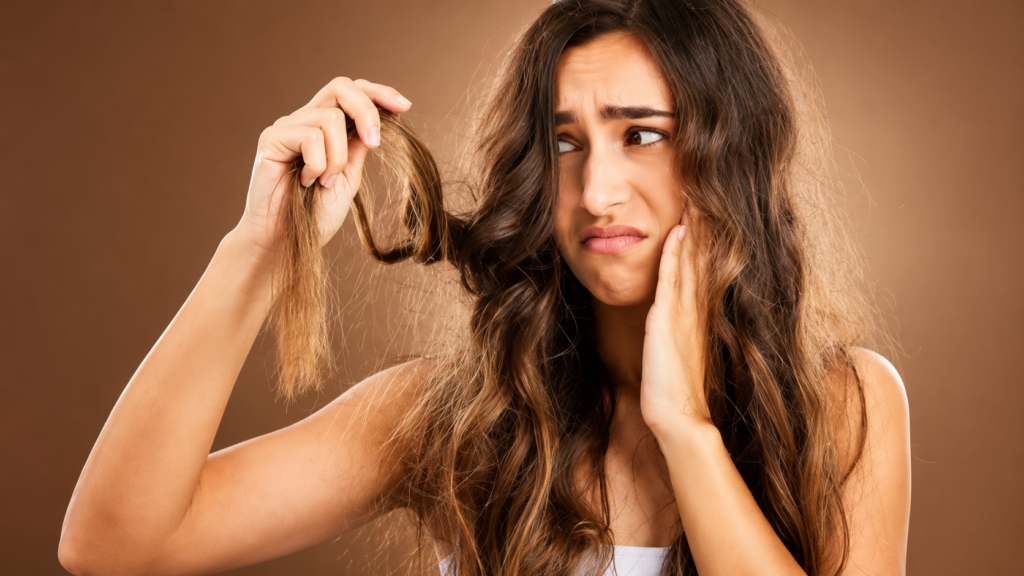
Damaged hair often requires strengthening products in addition to hydration.
Understanding this difference makes it much easier to know how to tell if your hair is damaged instead of simply dry.
Try the Hair Elasticity Test
One simple at-home method to check hair health is the elasticity test.
Here’s how:
- Wash your hair.
- Take one wet strand.
- Hold both ends.
- Stretch it gently.
Healthy Hair
- Stretches slightly
- Returns to its original shape
- Feels strong
Dry Hair
- Stretches more than normal
- Doesn’t completely bounce back
- Feels dehydrated
Damaged Hair
- Snaps quickly
- Barely stretches
- Feels weak and fragile
This quick test is one of the easiest ways to understand how to tell if your hair is damaged.
Can Damaged Hair Be Repaired?
Many people ask whether damaged hair can return to its original condition.
The answer depends on the type of damage.
Once a hair strand develops split ends, those ends cannot permanently fuse back together. Trimming them is the most effective solution.
However, you can dramatically improve the appearance and strength of damaged hair by:
- Keeping hair well moisturized.
- Using protein or bond-building treatments.
- Limiting heat styling.
- Protecting hair from UV exposure.
- Handling wet hair gently.
- Following a consistent hair care routine.
Over time, healthy new hair will grow while damaged sections are gradually trimmed away.
Everyday Habits That Keep Hair Healthy
Healthy hair is built through consistent daily care.
Some simple habits include:
- Wash with lukewarm rather than hot water.
- Always use conditioner after shampooing.
- Deep-condition weekly.
- Use a microfiber towel or soft cotton T-shirt to dry hair.
- Avoid brushing aggressively.
- Sleep on a silk or satin pillowcase to reduce friction.
- Protect your hair before using heat tools.
- Eat a balanced diet rich in protein, iron, zinc, and vitamins.
- Trim split ends every 6–8 weeks.
- Avoid over-processing with bleach or chemical treatments.
Small improvements in your daily routine can make a noticeable difference over time.
Can Damaged Hair Be Repaired?
One of the biggest questions people ask after learning how to tell if your hair is damaged is whether the damage can actually be repaired.
The answer depends on the severity of the damage.
Hair is made of dead protein cells, which means split ends and broken hair fibers cannot permanently heal themselves. However, modern hair care products can temporarily strengthen weak areas, smooth the cuticle, reduce breakage, and improve the overall appearance of your hair.
The healthiest approach is to repair what you can while protecting new hair growth from future damage.
Step-by-Step Hair Care Routine for Damaged Hair
Step 1: Choose a Gentle Shampoo
Your shampoo should cleanse your scalp without stripping away natural oils.
Look for shampoos that:
- Are sulfate-free or gentle cleansing
- Contain moisturizing ingredients
- Support weakened hair
- Help reduce protein loss
Avoid washing your hair every day unless necessary. For most people, washing two to three times per week is enough to keep hair clean while preserving moisture.
Step 2: Never Skip Conditioner
Conditioner is one of the most important products for damaged hair.
It helps:
- Smooth the cuticle
- Reduce friction
- Improve softness
- Make detangling easier
- Protect against breakage
Apply conditioner mainly from the mid-lengths to the ends, where damage is usually most noticeable.
Step 3: Deep Condition Weekly
A weekly deep-conditioning treatment provides extra moisture and nourishment.
Hair masks help:
- Restore softness
- Improve manageability
- Reduce dryness
- Minimize frizz
- Increase shine
If your hair has been chemically treated or heat damaged, weekly masking can make a noticeable difference.
Step 4: Add Protein or Bond-Building Treatments
If your hair feels weak, stretchy, or breaks easily, strengthening treatments may help.
Protein and bond-building products work by reinforcing weakened hair fibers, improving resilience, and reducing breakage. Balance is important, though—too much protein without enough moisture can leave hair feeling stiff.
Step 5: Use a Leave-In Conditioner
Leave-in products provide ongoing protection throughout the day.
Benefits include:
- Easier detangling
- Reduced frizz
- Added moisture
- Better heat protection
- Smoother hair
Choose a lightweight formula if you have fine hair or a richer cream if your hair is thick or curly.
Step 6: Always Use Heat Protection
If you use a blow dryer, curling iron, or straightener, apply a heat protectant first.
Heat protectants create a protective barrier that helps reduce moisture loss and minimizes damage caused by high temperatures.
Whenever possible:
- Air-dry your hair.
- Use lower heat settings.
- Limit heat styling to special occasions.
How to Prevent Hair Damage
Prevention is much easier than repairing damage later.
Here are some simple habits that keep hair healthier:
Trim Split Ends Regularly
Split ends continue traveling up the hair shaft if left untreated.
A trim every 6–8 weeks helps maintain healthy-looking hair and reduces breakage.
Detangle Gently
Never force a brush through knots.
Instead:
- Start from the ends.
- Work upward gradually.
- Use a wide-tooth comb or a detangling brush.
- Be extra gentle when hair is wet.
Avoid Tight Hairstyles
Constant tension from tight ponytails, buns, and braids can weaken hair over time.
Switch between hairstyles and avoid pulling your hair too tightly every day.
Protect Hair While Sleeping
Friction against cotton pillowcases can contribute to frizz and breakage.
Consider:
- A silk or satin pillowcase.
- A silk bonnet.
- A loose braid before bed for long hair.
Protect Hair From the Sun
Too much UV exposure can dry out hair and fade color.
Wear a hat or use UV-protective hair products when spending long periods outdoors.
Eat a Hair-Healthy Diet
Healthy hair starts from within.
Include foods rich in:
- Protein
- Iron
- Zinc
- Omega-3 fatty acids
- Vitamins A, C, D, and E
- Biotin
A balanced diet supports stronger hair growth and overall scalp health.
Common Mistakes That Make Hair Damage Worse
Even with good intentions, some habits can slow down your hair’s recovery.
Avoid these common mistakes:
- Using high heat every day
- Skipping conditioner
- Overwashing your hair
- Brushing aggressively
- Sleeping with wet hair
- Ignoring split ends
- Overlapping bleach or color treatments
- Using too many styling products
- Towel-drying hair roughly
- Neglecting regular trims
Small changes in your daily routine can make a big difference over time.
Frequently Asked Questions
How can I tell if my hair is damaged or just dry?
Dry hair mainly lacks moisture, while damaged hair has structural weakness. If your hair has split ends, frequent breakage, poor elasticity, and rough texture, it’s likely damaged rather than simply dry.
Can damaged hair become healthy again?
Although split ends cannot permanently heal, damaged hair can become smoother, stronger, and more manageable with proper care. Healthy new hair will gradually replace damaged sections as it grows.
What causes the most hair damage?
The most common causes include:
- Heat styling
- Bleaching
- Hair coloring
- Chemical treatments
- Tight hairstyles
- Excessive brushing
- UV exposure
- Chlorine and salt water
- Poor hair care habits
How often should I use a hair mask?
Most hair types benefit from a nourishing mask once a week. Very dry, curly, or chemically treated hair may benefit from more frequent deep conditioning.
How often should I trim damaged hair?
A trim every 6–8 weeks helps remove split ends and prevents them from traveling farther up the hair shaft.
Final Thoughts
Understanding how to tell if your hair is damaged is the first step toward healthier, stronger hair. By recognizing early warning signs such as split ends, breakage, dullness, frizz, tangles, and poor elasticity, you can take action before the damage becomes severe.
The key to healthier hair isn’t finding a single miracle product—it’s building a consistent routine that combines gentle cleansing, regular conditioning, deep hydration, heat protection, and healthy styling habits. Over time, these small changes can significantly improve your hair’s appearance, reduce breakage, and support stronger new growth.
If you’ve been wondering how to tell if your hair is damaged, remember that your hair gives clear signals when it needs extra care. Listen to those signs, treat your strands with patience, and focus on long-term hair health. With the right routine, you can enjoy softer, shinier, and more resilient hair for years to come.