What Is Heat Damaged Hair?
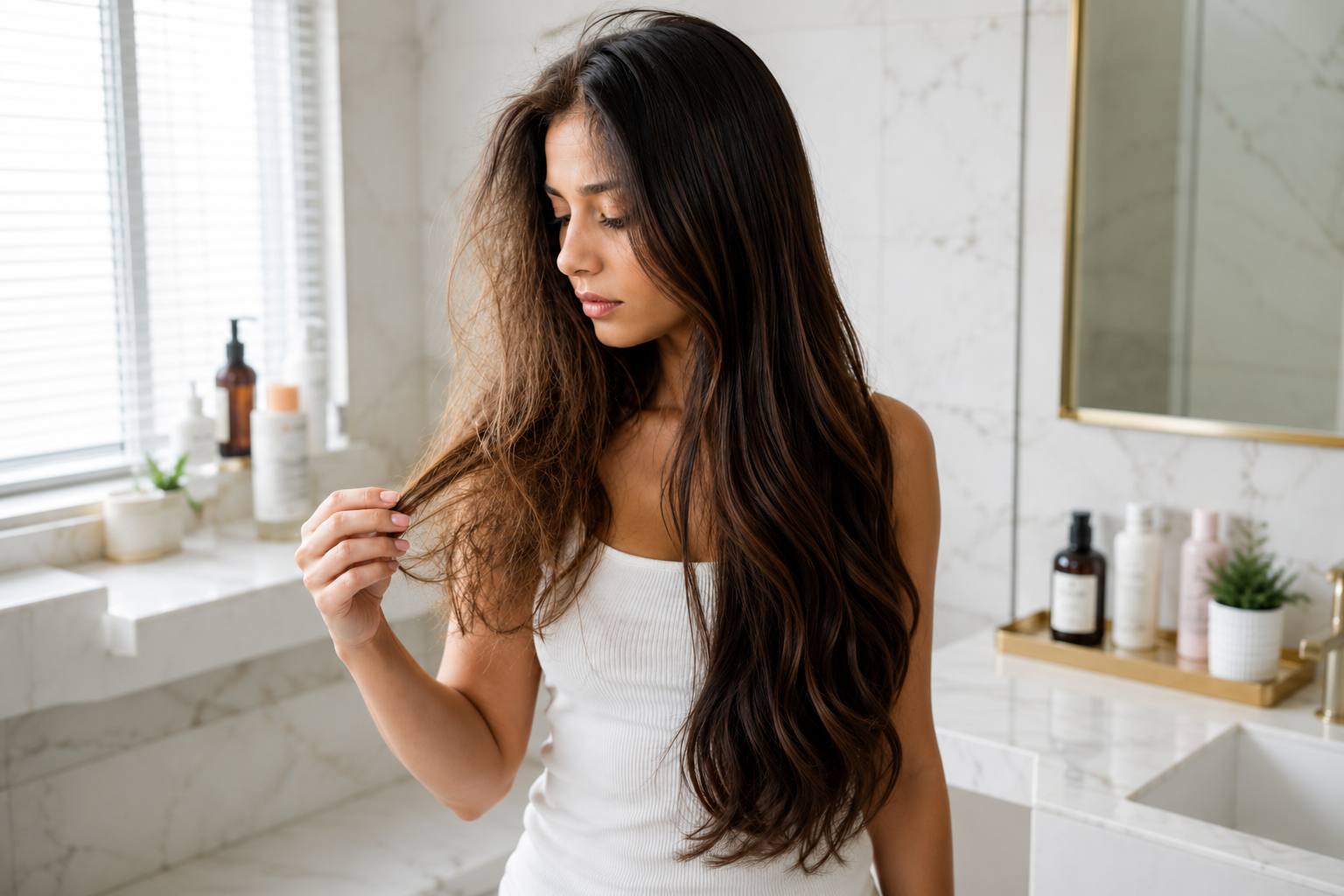
Heat damaged hair is one of the most common hair problems caused by frequent use of heat styling tools such as flat irons, curling wands, blow dryers, hot brushes, and crimpers. While these tools help create sleek, curly, or voluminous hairstyles, repeated exposure to high temperatures can weaken the hair shaft and strip away its natural moisture.
Healthy hair has a protective outer layer called the cuticle. This layer acts like tiny overlapping scales that keep moisture inside and shield the inner hair structure. When excessive heat is applied, these cuticles begin to lift, crack, or wear away. Once this protective barrier is damaged, the inner hair fibers become exposed, leading to dryness, brittleness, frizz, split ends, and breakage.
Unlike temporary dryness that improves after conditioning, heat damaged hair affects the actual structure of the hair strand. This means your hair may no longer feel soft, hold styles properly, or reflect light the way healthy hair does.
The good news is that with the right hair care routine, consistent hydration, and reduced heat exposure, you can significantly improve the appearance and strength of heat damaged hair while preventing additional damage.
How Does Heat Damage Hair?
Understanding how heat damaged hair develops can help you protect your strands before serious damage occurs.
Hair contains natural proteins, moisture, and lipids that work together to keep it flexible and healthy. High temperatures remove moisture from inside the hair shaft, making it dry and fragile.
As heat continues to affect the hair repeatedly, several things happen:
- The protective cuticle begins lifting.
- Natural oils evaporate.
- Protein bonds weaken.
- Hair loses elasticity.
- Moisture escapes faster.
- The hair shaft becomes rough and porous.
Eventually, even normal brushing or tying your hair can lead to breakage because weakened strands can no longer withstand everyday stress.
People who use styling tools several times each week without a heat protectant are especially likely to experience heat damaged hair over time.
Common Causes of Heat Damaged Hair
Many daily styling habits contribute to heat damaged hair without people realizing it.
1. Frequent Flat Iron Use
Hair straighteners often reach temperatures above 400°F (204°C). Using them daily gradually weakens the hair cuticle.
2. Curling Irons
Curling wands expose the same section of hair to concentrated heat for several seconds. Repeating this regularly increases dryness and split ends.
3. Blow Drying on High Heat
Holding a blow dryer too close to wet hair or using maximum heat every day can remove essential moisture.
4. Heat Styling Wet Hair
Applying high heat before hair is mostly dry is particularly damaging because water trapped inside the hair expands rapidly.
5. No Heat Protectant
Heat protectant sprays create a protective barrier between your hair and styling tools. Skipping them leaves hair directly exposed to extreme temperatures.
6. Repeated Styling
Straightening hair every morning or touching up curls multiple times throughout the day causes cumulative damage.
7. Chemical Treatments
Bleached, colored, relaxed, or permed hair is already more fragile. Adding frequent heat styling increases the likelihood of heat damaged hair.
8. Poor Hair Care Routine
Using harsh shampoos, skipping conditioner, and neglecting deep conditioning masks make hair less able to tolerate heat.
Signs of Heat Damaged Hair
Early detection makes repairing heat damaged hair much easier.
Dry Hair
Healthy hair feels soft and smooth. Heat damaged strands feel rough, dry, and dehydrated even after washing.
Loss of Shine
As the cuticle becomes uneven, hair reflects less light and appears dull.
Split Ends
Split ends are among the earliest warning signs of heat damaged hair. The ends of the hair shaft begin separating into multiple strands.
Breakage
Hair starts snapping while brushing, styling, or tying it into a ponytail.
Frizz
Damaged cuticles allow moisture from the environment to enter unevenly, making hair frizzy and difficult to manage.
Tangles
Raised cuticles catch on one another, causing frequent knots.
Rough Texture
Hair may feel coarse or straw-like instead of silky.
Flyaways
Short broken hairs around the crown and hairline often indicate ongoing breakage.
Difficulty Holding Hairstyles
Curls fall quickly, and straight hair refuses to stay smooth because the internal structure has weakened.
Color Fading
People with colored hair may notice their color fades faster because damaged hair cannot retain pigment effectively.
Does Heat Damaged Hair Grow Normally?
A common misconception is that heat damaged hair stops growing.
In reality, hair continues growing from the scalp. Heat styling usually damages the existing hair shaft rather than the hair follicle itself.
However, because damaged strands break easily, it often appears as though hair has stopped growing. Breakage at the ends prevents visible length retention.
This is why many people feel their hair “never grows,” even though new hair continues emerging from the roots.
Can Heat Cause Hair Loss?
Heat styling generally does not cause permanent hair loss from the scalp.
Instead, heat damaged hair becomes weak and breaks along the hair shaft. This breakage can create the appearance of thinning hair, especially around the front, crown, or ends.
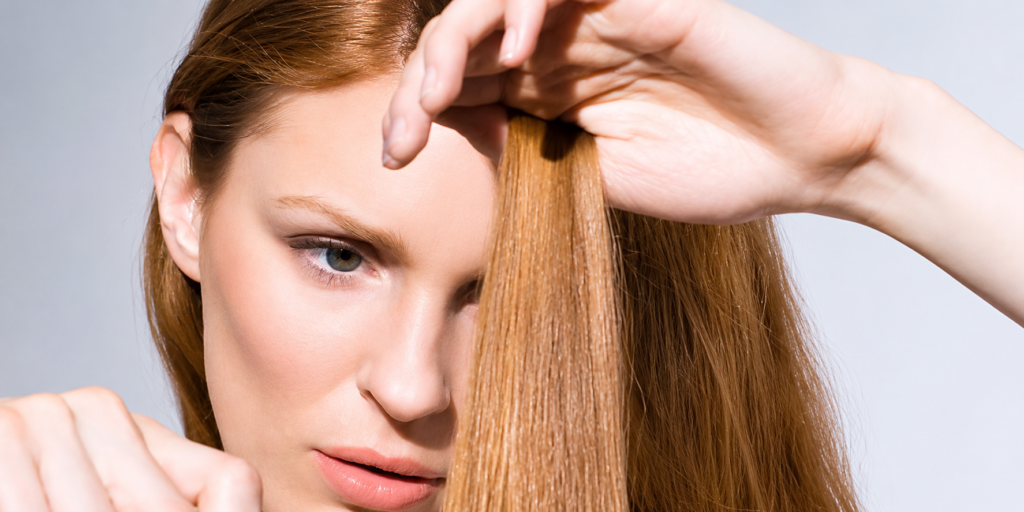
If excessive shedding occurs directly from the roots, other causes—such as hormonal changes, nutritional deficiencies, stress, or certain medical conditions—may also be involved.
Why Curly Hair Is More Vulnerable
Curly and coily hair tends to be naturally drier because scalp oils travel more slowly along curved strands.
For this reason, curly hair often develops heat damaged hair more quickly when exposed to straighteners or blow dryers.
Signs include:
- curls becoming loose
- uneven curl patterns
- increased frizz
- loss of bounce
- limp sections that no longer curl properly
Once curl patterns are severely altered, complete recovery may take time as new, healthy hair grows.
Who Is Most at Risk?
Some people are more likely to develop heat damaged hair, including:
- People who straighten hair daily
- Frequent blow dryer users
- Those who bleach or color their hair
- People with naturally dry hair
- Curly and textured hair types
- Individuals who rarely deep condition
- Anyone using high-temperature styling tools without protection
Understanding these risk factors allows you to make healthier styling decisions before damage becomes severe.
How to Repair Heat Damaged Hair
If your hair feels dry, rough, or brittle, don’t panic. While you can’t completely reverse severe heat damaged hair, you can significantly improve its appearance, strength, and manageability with the right routine. Healthy habits and nourishing products help reduce breakage, restore moisture, and protect your hair from further damage.
1. Stop Using Heat Every Day
The first step to repairing heat damaged hair is giving your strands a break. Constant exposure to high temperatures prevents hair from recovering and often makes the damage worse.
Try to limit heat styling to once or twice a week. On other days, embrace your natural hair texture or use heat-free styling methods like braids, buns, or foam rollers. Even a short break from straighteners and curling irons can help your hair retain more moisture.
2. Get a Trim
Split ends cannot be repaired permanently. Once the hair shaft splits, the damage continues to travel upward if left untreated.
Regular trims every 6 to 8 weeks help remove damaged ends and improve the overall appearance of heat damaged hair. Even trimming a small amount can make your hair feel healthier and reduce further breakage.
3. Switch to a Repairing Shampoo
Not all shampoos are suitable for damaged hair. Choose a gentle, sulfate-free shampoo designed for dry or damaged strands. These formulas cleanse without stripping away natural oils, allowing your hair to maintain better hydration.
Look for shampoos that focus on strengthening and moisturizing rather than deep cleansing.
4. Never Skip Conditioner
Conditioner is essential when treating heat damaged hair because it smooths the hair cuticle, reduces friction, and locks in moisture.
After every wash:
- Apply conditioner from the mid-lengths to the ends.
- Leave it on for two to five minutes.
- Rinse with cool or lukewarm water to help smooth the cuticle.
Consistent conditioning makes hair softer, shinier, and easier to manage.
Deep Conditioning for Heat Damaged Hair
One of the best treatments for heat damaged hair is a weekly deep conditioning mask.
Hair masks provide intensive hydration and help improve the appearance of damaged strands. They work better than regular conditioners because they remain on the hair longer and contain richer moisturizing ingredients.
A weekly hair mask may help:
- Reduce dryness
- Improve softness
- Decrease frizz
- Increase shine
- Improve elasticity
- Reduce breakage
If your hair is extremely dry, you may benefit from using a deep conditioning treatment twice each week until your hair starts feeling healthier.
Use Leave-In Treatments
Leave-in conditioners are excellent for protecting heat damaged hair throughout the day.
Unlike rinse-out conditioners, leave-in products continue working after application by adding moisture, improving smoothness, and making hair easier to detangle.
Benefits include:
- Better hydration
- Less frizz
- Easier styling
- Reduced tangles
- Extra protection against environmental stress
Apply leave-in conditioner to damp hair before air drying or styling.
Always Apply a Heat Protectant
If you still use hot tools occasionally, never skip a heat protectant.
Heat protectants create a lightweight barrier between your hair and styling tools. While they don’t eliminate all damage, they significantly reduce moisture loss and help minimize cuticle damage.
For the best results:
- Apply evenly to damp or dry hair before styling.
- Make sure every section is coated.
- Reapply if restyling later in the day.
Using a heat protectant consistently is one of the easiest ways to prevent future heat damaged hair.
Lower the Temperature
Many people believe hotter styling tools produce better results, but that’s not always true.
Using the highest setting often creates unnecessary damage without improving your hairstyle.
General guidelines include:
- Fine hair: low heat
- Medium hair: medium heat
- Thick or coarse hair: moderate to high heat only when necessary
Using the lowest effective temperature helps reduce the risk of heat damaged hair while still achieving your desired style.
Air Dry Whenever Possible
Blow drying every wash day can gradually weaken your hair.
Whenever time allows:
- Gently squeeze excess water out with a microfiber towel or cotton T-shirt.
- Let your hair air dry partially before using a blow dryer.
- Avoid rubbing your hair aggressively with a regular towel.
Air drying reduces heat exposure and allows your hair to retain more natural moisture.
Try Hair Slugging
Hair slugging has become a popular overnight treatment for dry and heat damaged hair.
The method focuses on sealing moisture into the hair while you sleep.
A simple hair slugging routine includes:
- Wash your hair.
- Apply a deep conditioner or hydrating hair mask.
- Add a small amount of lightweight hair oil to lock in moisture.
- Twist your hair into loose sections.
- Cover your hair with a silk bonnet or silk scarf.
- Rinse your hair the next morning if needed.
Many people notice softer, smoother, and more hydrated hair after consistent weekly use.
Protect Hair While Sleeping
Nighttime habits can either help or worsen heat damaged hair.
Reduce friction by:
- Sleeping on a silk or satin pillowcase.
- Using a silk bonnet.
- Wearing loose protective hairstyles.
- Avoiding tight ponytails before bed.
These simple habits help reduce tangles and overnight breakage.
Eat for Healthier Hair
Healthy hair starts from within.
A balanced diet supports stronger hair growth and helps maintain healthy strands.
Focus on foods rich in:
- Protein
- Iron
- Zinc
- Omega-3 fatty acids
- Vitamin D
- Biotin
- Vitamin C
Staying hydrated also supports healthier-looking hair.
Mistakes to Avoid
When trying to repair heat damaged hair, avoid these common mistakes:
- Using maximum heat every day.
- Straightening damp hair.
- Skipping heat protectant.
- Washing with harsh shampoos.
- Brushing aggressively.
- Ignoring split ends.
- Overwashing dry hair.
- Tight hairstyles that increase breakage.
- Frequently bleaching damaged hair.
Avoiding these habits can speed up recovery and reduce future damage.
Frequently Asked Questions
Can heat damaged hair be repaired?
You can improve the condition of heat damaged hair with moisturizing treatments, regular trims, and reduced heat styling. Severely damaged sections cannot be fully restored, but healthy new hair will continue to grow.
How long does it take to recover?
Mild damage may improve within a few weeks of proper care, while more severe damage can take several months. Consistency is key.
Is coconut oil good for heat damaged hair?
Coconut oil may help reduce moisture loss and improve softness for some hair types. It does not repair structural damage but can be a useful part of a moisturizing routine.
Does cutting hair help?
Yes. Trimming split ends prevents them from traveling farther up the hair shaft and helps hair look healthier.
Can I still use a straightener?
Yes, but limit its use, keep the temperature as low as possible, and always apply a heat protectant first.
Final Thoughts
Heat damaged hair is a common problem, but it doesn’t have to be permanent. By recognizing the early warning signs, reducing heat exposure, using nourishing shampoos and conditioners, applying weekly deep conditioning treatments, and protecting your hair before styling, you can gradually improve its strength and appearance.
Small changes—such as lowering your styling temperature, air drying more often, trimming split ends, and trying moisture-locking techniques like hair slugging—can make a noticeable difference over time. Stay consistent with your routine, treat your hair gently, and focus on prevention. With patience and proper care, heat damaged hair can become softer, smoother, shinier, and much healthier