Have you ever wondered how to make rosemary oil for hair at home without spending a fortune on expensive products? Rosemary oil has become one of the most popular natural hair care remedies because it supports healthier hair, nourishes the scalp, and may encourage stronger hair growth when used consistently.
The best part is that learning how to make rosemary oil for hair is much easier than most people think. You only need a few simple ingredients, a little patience, and the right method to create a high-quality herbal oil in your own kitchen.
Unlike many commercial hair oils that contain synthetic fragrances, preservatives, and mineral oils, homemade rosemary oil is completely customizable. You can choose your favorite carrier oil, control the quality of every ingredient, and make a fresh batch whenever you need it.
In this complete guide, you’ll discover everything about how to make rosemary oil for hair, including the benefits, ingredients, preparation methods, storage tips, application techniques, and common mistakes to avoid.
What Is Rosemary Oil?
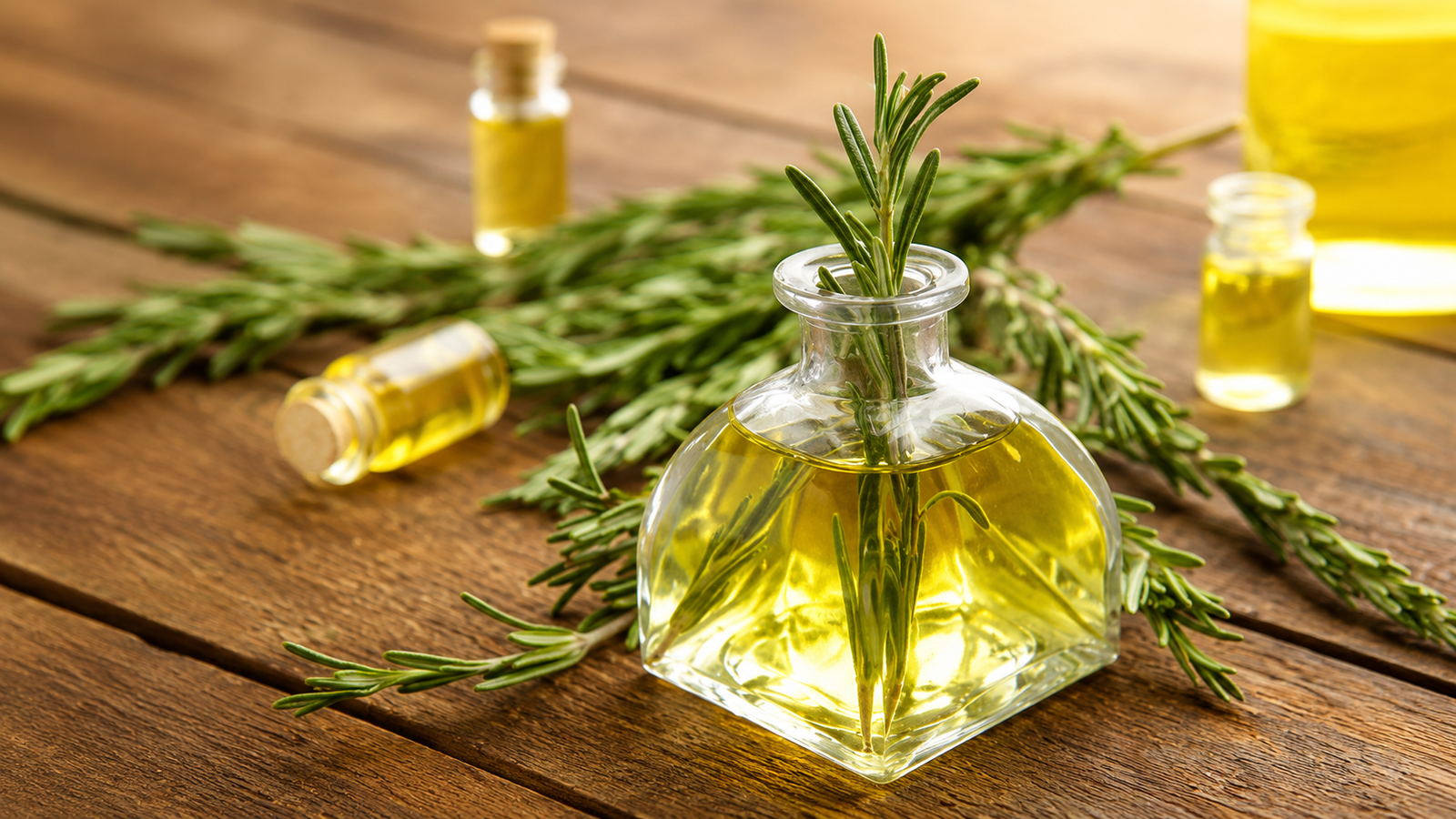
Rosemary oil for hair is created by infusing rosemary leaves into a nourishing carrier oil such as olive oil, coconut oil, jojoba oil, sweet almond oil, or argan oil. During the infusion process, the beneficial plant compounds slowly transfer into the oil.
It is important to understand the difference between:
- Rosemary infused oil
- Rosemary essential oil
Many people confuse these two products.
Rosemary Infused Oil
- Made by soaking rosemary leaves in carrier oil.
- Gentle enough to apply directly to the scalp.
- Ideal for regular hair care.
Rosemary Essential Oil
- Highly concentrated.
- Must always be diluted before use.
- Can irritate the skin if used directly.
If you’re learning how to make rosemary oil for hair, you’ll usually be making rosemary-infused oil rather than essential oil.
Why Is Rosemary Oil So Popular?
Natural hair care has become increasingly popular because many people want to avoid harsh chemicals. Rosemary has been used in traditional herbal remedies for centuries and remains one of the most trusted herbs for supporting healthy-looking hair.
People use rosemary oil because it may help:
- Nourish dry hair
- Support scalp health
- Improve hair softness
- Reduce scalp dryness
- Strengthen hair strands
- Add natural shine
- Minimize breakage
- Promote healthier-looking hair
While results vary from person to person, consistency is often the key to seeing noticeable improvements.
Benefits of Learning How to Make Rosemary Oil for Hair
Knowing how to make rosemary oil for hair offers several advantages over purchasing ready-made products.
1. You Control Every Ingredient
Store-bought oils often contain:
- Artificial fragrance
- Mineral oil
- Silicone
- Synthetic preservatives
- Fillers
Homemade rosemary oil lets you create a cleaner, more natural product.
2. It Saves Money
Fresh rosemary is inexpensive and easy to grow. One homemade batch can cost much less than premium hair oils while lasting for several months.
3. Suitable for Different Hair Types
Homemade rosemary oil works well for:
- Straight hair
- Curly hair
- Wavy hair
- Thick hair
- Fine hair
- Dry hair
- Damaged hair
- Chemically treated hair
Simply choose the right carrier oil for your needs.
4. Completely Customizable
Once you know how to make rosemary oil for hair, you can customize it by adding nourishing oils like:
- Argan oil
- Castor oil
- Sweet almond oil
- Jojoba oil
- Coconut oil
Each combination offers unique benefits.
Ingredients You’ll Need
Making rosemary oil requires only a few basic ingredients.
Fresh or Dried Rosemary
You can use either.
Fresh rosemary provides a pleasant aroma but contains moisture that can reduce shelf life if not prepared properly.
Dried rosemary lasts longer and is generally recommended for beginners.
Carrier Oil
The carrier oil acts as the base and absorbs the beneficial compounds from rosemary.
Popular choices include:
Olive Oil
- Rich in antioxidants
- Excellent for dry hair
- Deeply moisturizing
Jojoba Oil
- Lightweight
- Similar to the scalp’s natural oils
- Ideal for oily scalps
Coconut Oil
- Penetrates the hair shaft
- Helps reduce protein loss
- Great for damaged hair
Sweet Almond Oil
- Rich in Vitamin E
- Adds softness
- Lightweight texture
Argan Oil
- Excellent for frizzy hair
- Adds shine
- Repairs dryness
Fresh Rosemary vs. Dried Rosemary
Many people ask which is better when learning how to make rosemary oil for hair.
Fresh Rosemary
Advantages:
- Strong herbal scent
- Natural appearance
- Readily available if you grow it
Disadvantages:
- Contains water
- Higher spoilage risk
- Shorter shelf life
Dried Rosemary
Advantages:
- Longer shelf life
- Easier storage
- Lower mold risk
- More reliable infusion
Disadvantages:
- Slightly milder aroma
For beginners, dried rosemary is usually the safer choice.
Equipment Needed
You don’t need expensive equipment.
Prepare:
- Glass jar
- Saucepan or double boiler
- Fine mesh strainer
- Cheesecloth
- Dark glass storage bottle
- Measuring cups
- Wooden spoon
Using clean equipment helps extend the shelf life of your homemade rosemary oil.
How to Prepare Rosemary Before Infusing
Preparation is an important step when learning how to make rosemary oil for hair.
If using fresh rosemary:
- Wash thoroughly.
- Allow it to dry completely.
- Leave it for one to three days until no moisture remains.
- Chop it into small pieces.
If using dried rosemary:
- Crush the leaves gently.
- Remove thick woody stems.
- Keep flowers if present.
Proper preparation helps release more beneficial compounds into the carrier oil.
Best Carrier Oils for Different Hair Types
Choosing the right carrier oil makes a significant difference.
| Hair Type | Best Carrier Oil |
| Dry Hair | Olive Oil |
| Oily Hair | Jojoba Oil |
| Damaged Hair | Coconut Oil |
| Curly Hair | Argan Oil |
| Fine Hair | Grapeseed Oil |
| Frizzy Hair | Sweet Almond Oil |
Matching your carrier oil to your hair type helps maximize results.
Why Homemade Rosemary Oil Is Better
When you understand how to make rosemary oil for hair, you’ll realize homemade oil offers several advantages:
- No artificial chemicals
- No unnecessary preservatives
- Customizable ingredients
- Fresh batches anytime
- Budget-friendly
- Eco-friendly
- Suitable for the entire family (with appropriate precautions)
Most importantly, you know exactly what you’re applying to your scalp and hair.
Method 1: Slow Infusion Method (Best for Maximum Herbal Benefits)
The cold or slow infusion method is one of the best ways to make rosemary oil because it preserves many of the herb’s natural compounds. Although it takes longer, many people prefer this method because it uses little or no heat.
Ingredients

- 1 cup dried rosemary leaves
- 2 cups extra virgin olive oil (or your preferred carrier oil)
- Clean glass jar with lid
- Fine mesh strainer
- Cheesecloth
- Dark glass bottle for storage
Step 1: Sterilize the Jar
Before learning how to make rosemary oil for hair, always start with clean equipment.
Wash the glass jar thoroughly using hot water and mild soap. Let it dry completely. Any remaining moisture may shorten the shelf life of your rosemary oil.
Step 2: Add the Rosemary
Fill about one-third to one-half of the jar with dried rosemary leaves.
Avoid packing the herbs too tightly because the oil needs space to circulate around them.
Step 3: Pour in the Carrier Oil
Slowly pour your chosen carrier oil over the rosemary until every leaf is fully submerged.
Leave about one inch of oil above the herbs to ensure complete coverage.
Step 4: Remove Air Bubbles
Use a clean spoon or chopstick to gently stir the mixture.
This helps release trapped air bubbles that could reduce the quality of the infusion.
Step 5: Seal the Jar
Close the lid tightly.
Label the jar with today’s date so you know exactly when the infusion started.
Step 6: Store Properly
Place the jar in a cool, dark place for 2–4 weeks.
Shake it gently every day or every other day.
During this time, the rosemary slowly releases its beneficial compounds into the carrier oil.
Step 7: Strain the Oil
Once the infusion period is complete:
- Place cheesecloth over a bowl.
- Pour the mixture through it.
- Squeeze the herbs gently to extract every drop of oil.
Step 8: Store Your Rosemary Oil
Transfer the finished oil into a dark amber glass bottle.
Keep it tightly sealed until you’re ready to use it.
Congratulations! You’ve successfully learned how to make rosemary oil for hair using the traditional slow infusion method.
Method 2: Quick Heat Infusion Method
If you don’t want to wait several weeks, the heat infusion method is a faster alternative.
This technique is ideal when you need rosemary oil within a few hours.
Ingredients
- 1 cup dried rosemary
- 2 cups carrier oil
- Double boiler
- Fine strainer
- Dark bottle
Step 1: Prepare the Double Boiler
Fill the bottom pot with water.
Place the carrier oil and rosemary into the upper bowl.
Never heat rosemary oil directly over high heat because excessive temperatures can damage both the oil and the herbal compounds.
Step 2: Warm Slowly
Heat the mixture over low heat.
Maintain a gentle temperature for approximately 2–3 hours.
Avoid boiling.
The oil should feel warm—not hot.
Step 3: Stir Occasionally
Every 20–30 minutes, stir gently.
You’ll notice the oil gradually taking on a greenish or golden tint while developing a pleasant rosemary aroma.
Step 4: Cool Completely
Turn off the heat.
Allow the oil to cool naturally before straining.
Step 5: Strain
Use cheesecloth to remove every rosemary leaf.
The finished oil should appear clean and free of plant particles.
Step 6: Bottle and Store
Pour the rosemary oil into a dark glass bottle and seal it tightly.
Now you know another effective method for how to make rosemary oil for hair at home.
Which Method Is Better?
Both methods work well.
Slow Infusion
Advantages:
- Better preservation of herbal compounds
- No risk of overheating
- Longer natural extraction process
- Excellent aroma
Heat Infusion
Advantages:
- Ready in a few hours
- Convenient
- Great for beginners
- Perfect when you need oil quickly
If time allows, the slow infusion method is usually preferred.
Common Mistakes to Avoid
Many beginners make small mistakes while learning how to make rosemary oil for hair.
Avoid these problems:
Using Wet Rosemary
Fresh rosemary contains moisture.
If water gets into the oil, bacteria and mold can develop.
Always dry fresh rosemary completely before using it.
Overheating the Oil
Too much heat can damage:
- Vitamins
- Antioxidants
- Natural plant compounds
Use low heat only.
Using Plastic Containers
Glass containers are much safer.
Plastic may absorb odors and isn’t ideal for long-term storage.
Forgetting to Strain Properly
Leaving rosemary leaves inside the oil can shorten its shelf life.
Always strain thoroughly.
Poor Storage
Store rosemary oil away from:
- Direct sunlight
- Heat
- Moisture
Proper storage keeps the oil fresh much longer.
How to Store Homemade Rosemary Oil
Proper storage is just as important as learning how to make rosemary oil for hair.
Follow these tips:
- Store in amber glass bottles.
- Keep away from sunlight.
- Close the lid tightly after every use.
- Avoid introducing water into the bottle.
- Store at room temperature in a cool cabinet.
Shelf Life
Shelf life depends on the ingredients used.
Using dried rosemary:
- Approximately 6–12 months
Using fresh rosemary:
- Around 2–3 months
If the oil develops:
- A sour smell
- Mold
- Cloudiness
- An unpleasant odor
Discard it immediately.
How to Apply Rosemary Oil to Hair
Knowing how to make rosemary oil for hair is only half the process. Applying it correctly is equally important.
1. Scalp Massage
This is the most common method.
- Pour a small amount into your palm.
- Warm it slightly by rubbing your hands together.
- Massage gently into your scalp using your fingertips.
- Continue for 5–10 minutes.
Massage may help improve circulation and evenly distribute the oil across the scalp.
2. Overnight Treatment
For deeper conditioning:
- Apply rosemary oil before bed.
- Cover your pillow with a towel or wear a shower cap.
- Wash your hair the next morning using a gentle shampoo.
3. Hair Mask
Mix rosemary oil with:
- Coconut oil
- Argan oil
- Honey
- Aloe vera gel
Apply from roots to ends.
Leave on for 30–60 minutes before washing.
4. Add It to Shampoo
Add a few drops of your homemade rosemary oil to your shampoo or conditioner before use.
This is a simple way to include rosemary in your regular hair care routine.
How Often Should You Use Rosemary Oil?
Most people benefit from using rosemary oil:
- 2–3 times per week
For very dry hair:
- Up to 3–4 times weekly if your scalp tolerates it well.
Avoid excessive use, as too much oil may weigh hair down.
Safety Tips Before Using Rosemary Oil
Before using your homemade oil:
- Perform a patch test on a small area of skin.
- Wait 24 hours.
- Do not use if irritation occurs.
- Avoid contact with the eyes.
- If you have a scalp condition or are pregnant or breastfeeding, consult a healthcare professional before regular use.
Using rosemary oil safely is an important part of learning how to make rosemary oil for hair and incorporating it into your routine.
Does Rosemary Oil Really Help Hair?
One of the biggest reasons people search for how to make rosemary oil for hair is because they want a natural alternative to expensive hair care products.
Rosemary has been used in traditional herbal practices for centuries, and modern research has also explored its role in supporting scalp health. Some studies suggest that rosemary may help improve the environment of the scalp by promoting healthy circulation around the hair follicles. Healthy circulation is important because hair follicles depend on oxygen and nutrients to support normal hair growth.
It is important to remember that rosemary oil is not a miracle cure. Results vary from person to person and depend on factors such as genetics, nutrition, stress levels, hormones, and overall hair care habits. However, consistent use of rosemary oil as part of a balanced hair care routine may help improve the appearance and condition of your hair over time.
Best Rosemary Oil Blends for Every Hair Type
After learning how to make rosemary oil for hair, you can customize your homemade oil to suit your specific hair needs.
Rosemary + Coconut Oil
Best for:
- Dry hair
- Damaged hair
- Split ends
Benefits:
- Deep conditioning
- Helps reduce protein loss
- Leaves hair softer and shinier
Rosemary + Jojoba Oil
Best for:
- Oily scalp
- Fine hair
- Sensitive skin
Benefits:
- Lightweight
- Absorbs quickly
- Helps balance scalp oils
Rosemary + Argan Oil
Best for:
- Frizzy hair
- Color-treated hair
- Dull hair
Benefits:
- Adds shine
- Improves softness
- Helps reduce frizz
Rosemary + Castor Oil
Best for:
- Thin-looking hair
- Dry scalp
Benefits:
- Thick texture
- Excellent for scalp massage
- Adds moisture
Rosemary + Sweet Almond Oil
Best for:
- Everyday hair care
- Normal hair
- Dry ends
Benefits:
- Rich in Vitamin E
- Lightweight
- Leaves hair silky
Hair Care Routine Using Homemade Rosemary Oil
If you’ve mastered how to make rosemary oil for hair, follow this simple weekly routine.
Day 1
Massage rosemary oil into your scalp for 10 minutes.
Leave it overnight.
Wash the next morning.
Day 3
Apply a small amount to the ends of your hair.
Leave for 30 minutes.
Rinse with shampoo.
Day 6
Mix a few drops into your conditioner.
Massage gently before rinsing.
Following this routine consistently may help your hair look healthier over time.
Tips to Get Better Results
Making rosemary oil is only the first step. To maximize its benefits:
- Eat a balanced diet rich in protein.
- Stay hydrated.
- Avoid excessive heat styling.
- Trim split ends regularly.
- Use a gentle shampoo.
- Protect hair from sun damage.
- Avoid tight hairstyles that pull on the roots.
- Massage your scalp regularly.
Healthy hair comes from both good hair care and overall wellness.
Who Should Avoid Rosemary Oil?
Although rosemary oil is generally well tolerated when properly diluted, some people should use extra caution.
Avoid using it if:
- You are allergic to rosemary.
- You experience redness or irritation after a patch test.
- You have open wounds or infections on the scalp.
If you are pregnant, breastfeeding, or have an underlying medical condition, consult a healthcare professional before using herbal oils regularly.
Frequently Asked Questions
Can I use fresh rosemary?
Yes, but it should be dried or wilted thoroughly before infusing. Excess moisture can encourage spoilage and reduce the oil’s shelf life.
Which carrier oil is best?
It depends on your hair type:
- Olive oil for dry hair
- Jojoba oil for oily scalp
- Coconut oil for damaged hair
- Argan oil for frizz
- Sweet almond oil for normal hair
How long does homemade rosemary oil last?
When made with dried rosemary and stored correctly in a cool, dark place, it typically lasts 6–12 months.
Can I use rosemary oil every day?
Most people do well using it 2–3 times a week. Daily use may suit some hair types, but if your scalp becomes greasy or irritated, reduce the frequency.
Should I wash it out?
If you’re using rosemary oil as a deep treatment, leave it on for 30 minutes to overnight, then wash with a mild shampoo. A small amount can also be applied to the ends as a leave-in treatment if it doesn’t weigh your hair down.
Can I mix rosemary oil with other essential oils?
Yes, many people combine it with diluted lavender or peppermint essential oil for fragrance and additional scalp care. Always follow safe dilution guidelines for essential oils.
Can rosemary oil replace shampoo?
No. Rosemary oil is a treatment, not a cleanser. It works best as part of a complete hair care routine alongside a suitable shampoo and conditioner.
Final Thoughts
Learning how to make rosemary oil for hair is a simple and rewarding way to create a natural hair treatment at home. With just a few quality ingredients and a little patience, you can make a nourishing rosemary-infused oil that supports a healthy scalp, conditions the hair, and adds softness and shine.
Whether you choose the traditional slow infusion or the quicker heat method, the key is consistency. Regular use, proper storage, and a balanced hair care routine can help you enjoy the benefits of homemade rosemary oil over time.
Instead of relying on products filled with unnecessary additives, making your own rosemary oil gives you full control over the ingredients while offering a cost-effective and customizable solution for your hair care needs.
If you’ve been wondering how to make rosemary oil for hair, you now have everything you need—from choosing the right carrier oil and preparing the rosemary to infusing, storing, and using your finished oil with confidence.
With patience and regular care, homemade rosemary oil can become a valuable part of your weekly hair routine, helping your hair look healthier, feel softer, and maintain a naturally nourished appearance.