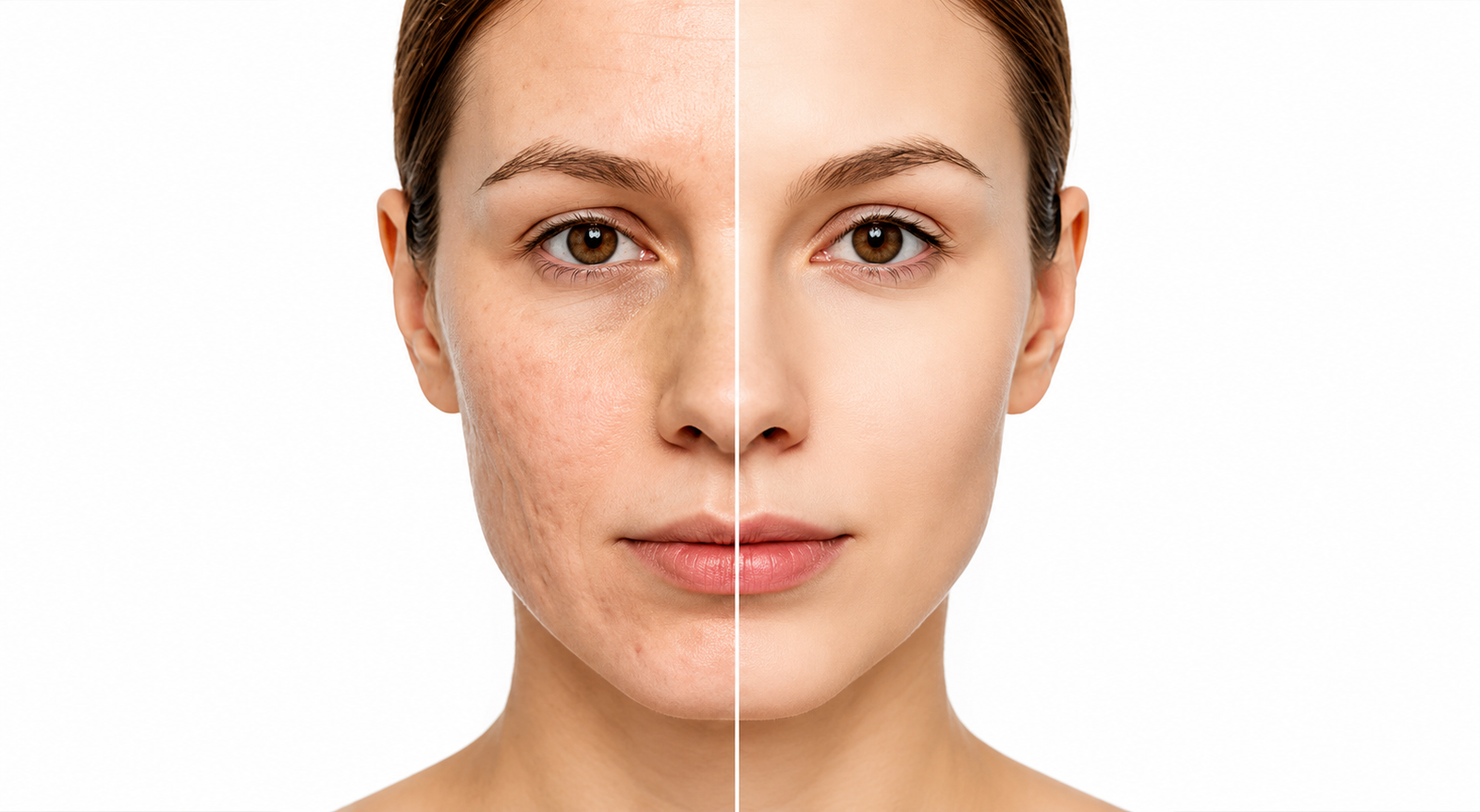
Have you ever looked in the mirror and noticed that your face doesn’t appear the same color all over? Maybe your cheeks look red, your forehead appears darker, or acne marks refuse to fade. If so, you’re not alone. Uneven skin tone is one of the most common skin concerns affecting people of all ages and skin types. While it may seem difficult to manage, the good news is that the right skincare routine, healthy lifestyle habits, and scientifically proven ingredients can significantly improve your complexion over time.
Many people assume that uneven skin tone is simply a cosmetic issue, but it often reflects what’s happening beneath the skin’s surface. Sun damage, inflammation, hormonal changes, aging, pollution, dehydration, and even stress can disrupt your skin’s natural balance. Fortunately, understanding the causes is the first step toward achieving brighter, healthier-looking skin.
In this complete guide, you’ll learn what uneven skin tone really means, why it happens, how to identify its underlying causes, and the most effective ways to restore your skin’s natural glow. Whether your concern is acne marks, melasma, redness, sunspots, or dullness, this guide will help you create a smarter skincare routine for long-lasting results.
What Is Uneven Skin Tone?
Uneven skin tone refers to areas of skin that differ in color, brightness, or texture from the surrounding skin. Instead of having a balanced complexion, the skin develops patches that appear darker, lighter, redder, or duller than the rest of the face.
This condition can affect anyone regardless of age, gender, or ethnicity. It may develop gradually over several years or appear suddenly after acne breakouts, excessive sun exposure, hormonal changes, or skin irritation.
Although perfectly flawless skin doesn’t naturally exist, healthy skin should generally appear balanced, smooth, and radiant. When discoloration becomes noticeable, it is usually a sign that your skin has experienced inflammation, damage, or increased melanin production.
Common signs of uneven skin tone include:
- Dark spots after acne
- Brown sunspots
- Red patches
- Blotchy skin
- Melasma
- Dull complexion
- Rough texture
- Uneven pigmentation
- Post-inflammatory hyperpigmentation (PIH)
Many people confuse uneven skin tone with uneven skin texture. While they can occur together, they are different concerns.
Uneven skin tone involves color differences.
Uneven skin texture involves roughness, enlarged pores, bumps, or dry patches.
Understanding this difference helps you choose the correct treatment.
Why Does Uneven Skin Tone Develop?
Your skin constantly renews itself. Healthy skin cells replace old ones approximately every month in younger adults. However, this natural renewal process slows with age and can be disrupted by environmental damage.
The primary reason uneven skin tone develops is excessive melanin production.
Melanin is the pigment responsible for the color of your skin, hair, and eyes. Whenever your skin experiences injury or UV exposure, special cells called melanocytes produce more melanin to protect your skin.
Unfortunately, this protective response sometimes creates excess pigment that remains visible long after the skin has healed.
The Most Common Causes of Uneven Skin Tone
1. Sun Exposure
Sun exposure is the leading cause of uneven skin tone worldwide.
Ultraviolet (UV) rays stimulate melanin production as a natural defense mechanism. While tanning may temporarily look attractive, repeated UV exposure eventually leads to:
- Sunspots
- Age spots
- Hyperpigmentation
- Uneven complexion
- Premature wrinkles
- Loss of skin elasticity
Years of unprotected sun exposure can cause pigmentation damage that may take months—or even years—to fade.
Even cloudy days expose your skin to UV rays, making daily sunscreen essential.
2. Post-Inflammatory Hyperpigmentation (PIH)
Whenever the skin becomes inflamed, it may leave behind dark marks after healing.
This condition is called Post-Inflammatory Hyperpigmentation.
PIH commonly develops after:
- Acne
- Pimples
- Insect bites
- Cuts
- Burns
- Skin irritation
- Cosmetic procedures
Unlike acne scars, PIH changes skin color rather than skin texture.
The darker your natural skin tone, the greater the risk of developing long-lasting pigmentation.
3. Hormonal Changes
Hormones significantly influence melanin production.
Fluctuations during pregnancy, birth control use, or hormonal disorders can trigger melasma, a condition that causes gray-brown patches across the cheeks, forehead, nose, and upper lip.
Melasma often worsens with sun exposure, making UV protection one of the most important parts of treatment.
4. Acne Breakouts
Acne doesn’t just leave pimples behind.
Repeated inflammation often creates stubborn dark marks that remain visible long after breakouts disappear.
Picking or squeezing pimples increases inflammation and greatly raises the risk of developing uneven skin tone.
5. Aging
As we age, our skin naturally changes.
Cell turnover becomes slower.
Collagen production decreases.
Years of accumulated UV exposure become more noticeable.
These changes often lead to:
- Dull skin
- Age spots
- Uneven pigmentation
- Rough texture
- Fine lines
While aging cannot be stopped, a good skincare routine can greatly minimize its visible effects.
6. Pollution
Modern environments expose our skin to pollutants every day.
Tiny pollution particles settle on the skin and generate free radicals.
Free radicals damage healthy skin cells and trigger inflammation that contributes to uneven skin tone.
Daily cleansing and antioxidants help reduce this damage.
7. Skin Irritation
Using harsh skincare products can actually make pigmentation worse.
Common irritants include:
- Strong scrubs
- Alcohol-heavy toners
- Over-exfoliation
- Fragranced skincare
- Poor-quality cosmetics
Repeated irritation causes inflammation, which often leads to more pigmentation.
Gentle skincare usually produces better long-term results than aggressive treatments.
8. Certain Medications
Some medications increase your skin’s sensitivity to sunlight or stimulate pigmentation changes.
Examples include certain:
- Antibiotics
- Hormonal medications
- Anti-seizure medicines
- Chemotherapy drugs

Never stop prescribed medication without consulting your healthcare provider.
Who Is Most Likely to Develop Uneven Skin Tone?
Although anyone can experience pigmentation issues, certain people are at higher risk.
You may be more likely to develop uneven skin tone if you:
- Spend long hours outdoors
- Skip sunscreen
- Frequently experience acne
- Have melasma
- Have darker skin tones
- Pick at pimples
- Use irritating skincare products
- Have a family history of pigmentation disorders
- Live in polluted urban environments
Knowing your personal risk factors allows you to prevent future pigmentation instead of simply treating existing spots.
Signs Your Uneven Skin Tone Needs Attention
Some pigmentation fades naturally within a few weeks.
However, persistent discoloration may require a better skincare routine or professional treatment.
Watch for symptoms such as:
- Dark spots that continue spreading
- Brown patches across the cheeks
- Persistent redness
- Blotchy complexion
- Uneven facial brightness
- Acne marks lasting several months
- Rough skin accompanied by discoloration
If pigmentation changes rapidly or appears alongside unusual moles, bleeding, or pain, consult a dermatologist promptly.
Different Types of Uneven Skin Tone
Not all discoloration is the same. Identifying the type helps determine the best treatment.
Sunspots
Flat brown spots caused by years of UV exposure.
Melasma
Symmetrical brown patches often linked to hormones and sun exposure.
Post-Inflammatory Hyperpigmentation
Dark marks left behind after inflammation or acne.
Redness
Often associated with rosacea, irritation, allergies, or sensitive skin.
Freckles
Small pigmented spots that become darker with sunlight.
Dull Skin
Skin lacking brightness due to dehydration, dead skin buildup, or slow cell turnover.
Can Uneven Skin Tone Be Reversed?
Yes—in many cases, uneven skin tone can improve significantly.
However, improvement depends on several factors:
- The cause of pigmentation
- Your skin type
- Daily sun protection
- Consistency with skincare
- The depth of pigmentation
Surface discoloration often begins fading within a few months.
Deeper pigmentation may require professional treatments and more patience.
One important thing to remember is that skin renewal takes time. No cream or serum can erase years of sun damage overnight.
Instead of looking for instant fixes, focus on building a routine that protects your skin, supports healthy cell turnover, and gradually restores a brighter, more balanced complexion.
How to Fix Uneven Skin Tone Naturally
If you’re wondering how to improve uneven skin tone, the good news is that you don’t always need expensive treatments. Consistent skincare, healthy habits, and scientifically supported ingredients can noticeably improve your complexion over time. The key is patience and choosing products that work for your specific skin type.
Rather than trying multiple harsh treatments at once, focus on creating a simple routine that supports your skin’s natural healing process.
Build a Skincare Routine for Uneven Skin Tone
A consistent skincare routine is one of the most effective ways to improve uneven skin tone. Healthy skin repairs itself every day, but it needs the right environment to do so.
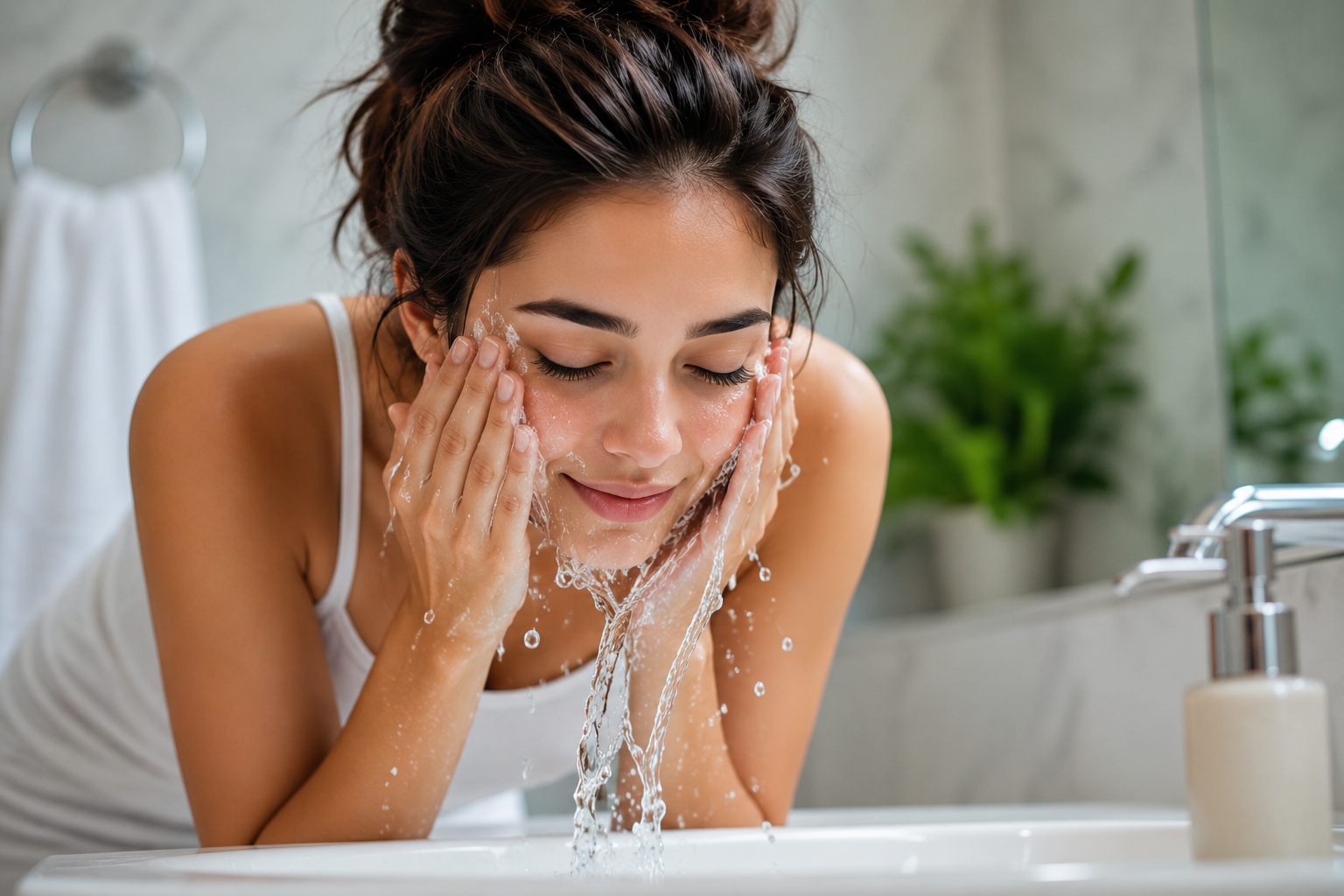
Step 1: Cleanse Gently Twice Daily
Start every morning and evening with a gentle cleanser.
Cleansing removes:
- Dirt
- Excess oil
- Sweat
- Sunscreen
- Pollution
- Makeup residue
Harsh cleansers strip away your skin’s protective barrier, causing irritation that can worsen pigmentation.
Look for cleansers that are:
- Sulfate-free
- Fragrance-free
- pH-balanced
- Suitable for your skin type
Clean skin also allows treatment products to absorb more effectively.
Step 2: Exfoliate Without Overdoing It
Dead skin cells build up naturally over time, making your complexion appear dull and uneven.
Gentle exfoliation removes this buildup and encourages fresh skin cells to reach the surface.
For uneven skin tone, exfoliation helps by:
- Brightening dull skin
- Improving skin texture
- Helping dark spots fade faster
- Increasing absorption of serums
You can choose either:
Chemical Exfoliants
These dissolve dead skin cells without scrubbing.
Popular ingredients include:
- Glycolic Acid
- Lactic Acid
- Salicylic Acid
- Mandelic Acid
Physical Exfoliants
These use tiny particles to manually remove dead skin.
Avoid rough scrubs with large particles because they may create tiny skin injuries and worsen pigmentation.
Most people only need exfoliation two or three times each week.
Step 3: Use Brightening Serums
Serums contain concentrated ingredients that directly target uneven skin tone.
The best brightening ingredients include:
Vitamin C
Vitamin C remains one of the most effective antioxidants in skincare.
Benefits include:
- Brightens dull skin
- Reduces dark spots
- Protects against environmental damage
- Boosts collagen production
- Improves skin radiance
Apply Vitamin C serum every morning before moisturizer.
Niacinamide
Niacinamide is suitable for almost every skin type.
Benefits include:
- Reduces redness
- Strengthens the skin barrier
- Controls excess oil
- Improves uneven pigmentation
- Minimizes enlarged pores
Many dermatologists recommend 5% niacinamide for daily use.
Azelaic Acid
Azelaic acid works especially well for people dealing with acne and pigmentation simultaneously.
It helps:
- Fade acne marks
- Reduce redness
- Improve melasma
- Calm inflammation
- Prevent clogged pores
Kojic Acid
Kojic acid helps reduce excess melanin production.
Regular use may improve:
- Sunspots
- Acne marks
- Hyperpigmentation
- Uneven skin tone
Because kojic acid may irritate sensitive skin, introduce it gradually.
Alpha Arbutin
Alpha Arbutin is another popular ingredient for pigmentation.
It works by reducing melanin formation while remaining gentler than stronger skin-lightening ingredients.
Step 4: Moisturize Every Day
Many people skip moisturizer if they have oily skin.
This is a mistake.
Hydrated skin repairs itself faster and appears healthier.
A good moisturizer helps:
- Strengthen the skin barrier
- Reduce dryness
- Improve skin texture
- Support healing
- Prevent irritation
Look for ingredients like:
- Hyaluronic Acid
- Ceramides
- Glycerin
- Panthenol
- Squalane
Step 5: Never Skip Sunscreen
If there’s one product that makes the biggest difference in treating uneven skin tone, it’s sunscreen.
Without sun protection, dark spots continue getting darker even while you’re treating them.
Choose a sunscreen that offers:
- SPF 30 or higher
- Broad-spectrum protection
- Water resistance
- Non-comedogenic formula
Apply sunscreen every morning.
Reapply every two hours when spending time outdoors.
Even indoor light and cloudy weather expose your skin to UV rays.
Best Ingredients for Uneven Skin Tone
When shopping for skincare, prioritize products containing ingredients supported by scientific research.
Vitamin C
Brightens skin while protecting against free radical damage.
Niacinamide
Improves discoloration and strengthens the skin barrier.
Retinol
Retinol accelerates skin cell turnover.
Benefits include:
- Smoother skin
- Reduced pigmentation
- Improved fine lines
- Better texture
Because retinol increases sun sensitivity, use it only at night.
Glycolic Acid
This alpha hydroxy acid removes dead skin cells and promotes smoother skin.
It’s particularly effective for sun damage and post-acne marks.
Salicylic Acid
Ideal for oily and acne-prone skin.
It deeply cleans pores while helping fade post-acne pigmentation.
Hyaluronic Acid
Although it doesn’t directly lighten pigmentation, hydrated skin looks brighter and healthier.
Lifestyle Habits That Improve Uneven Skin Tone
Healthy skin starts from within.
Simple daily habits often produce noticeable improvements.
Drink Enough Water
Hydrated skin functions more efficiently.
Aim to drink enough water throughout the day to support overall skin health.
Eat Antioxidant-Rich Foods
Nutrition affects your complexion.
Choose foods rich in:
- Vitamin C
- Vitamin E
- Zinc
- Omega-3 fatty acids
- Beta-carotene
Good choices include:
- Citrus fruits
- Berries
- Leafy greens
- Carrots
- Tomatoes
- Salmon
- Nuts
- Seeds
Get Enough Sleep
Your skin repairs itself while you sleep.
Adults should aim for approximately seven to nine hours of quality sleep each night.
Manage Stress
Long-term stress increases inflammation throughout the body.
High stress levels may worsen acne, redness, and uneven skin tone.
Daily stress-management techniques include:
- Walking
- Meditation
- Exercise
- Deep breathing
- Reading
- Yoga
Common Mistakes That Make Uneven Skin Tone Worse
Many people accidentally slow their skin’s recovery.
Avoid these habits:
- Picking pimples
- Over-exfoliating
- Skipping sunscreen
- Using too many active ingredients at once
- Sleeping with makeup on
- Trying DIY bleaching treatments
- Frequently changing skincare products
- Ignoring moisturizer
Consistency almost always produces better results than aggressive treatments.
How Long Does It Take to Improve Uneven Skin Tone?
This is one of the most common questions people ask.
The answer depends on:
- The cause
- Skin type
- Depth of pigmentation
- Daily sun protection
- Product consistency
Many people notice brighter skin within four to eight weeks.
More stubborn pigmentation like melasma or deep post-inflammatory hyperpigmentation may require several months of consistent care.
Professional treatments may speed up results, but even then, maintaining healthy skincare habits is essential for preventing new discoloration.
Daily Habits That Help Prevent Uneven Skin Tone
Treating uneven skin tone is important, but preventing new discoloration is even more valuable. Healthy daily habits protect your skin from future pigmentation problems and keep your complexion brighter over time.
Wear Sunscreen Every Single Day
Daily sunscreen is the most effective defense against uneven skin tone. UV rays stimulate melanin production, making dark spots darker and creating new discoloration.
Choose a sunscreen that:
- Has SPF 30 or higher
- Offers broad-spectrum UVA/UVB protection
- Is lightweight and non-comedogenic
- Is suitable for your skin type
Apply sunscreen every morning, even if you stay indoors because UVA rays can penetrate windows.
Cleanse Without Damaging the Skin
Harsh cleansers strip natural oils and weaken the skin barrier.
Instead:
- Wash your face twice daily
- Use lukewarm water
- Avoid harsh scrubbing
- Choose a gentle cleanser that maintains moisture
Healthy skin is less likely to develop inflammation that leads to uneven skin tone.
Moisturize Daily
Hydrated skin repairs itself more efficiently.
Look for moisturizers containing:
- Ceramides
- Hyaluronic acid
- Glycerin
- Niacinamide
Moisturized skin appears smoother, brighter, and healthier.
Never Pick Pimples
One of the fastest ways to create uneven skin tone is squeezing acne.
Picking pimples can cause:
- Post-inflammatory hyperpigmentation
- Permanent scars
- Longer healing time
- Skin infections
Allow blemishes to heal naturally.
Eat Skin-Friendly Foods
Nutrition affects skin from the inside.
Include:
- Citrus fruits
- Berries
- Leafy vegetables
- Salmon
- Nuts
- Seeds
- Eggs
- Avocados
These foods provide vitamins and antioxidants that support healthy skin.
Sleep Well
During sleep your skin repairs damaged cells.
Adults should aim for:
- 7–9 hours of quality sleep
- Consistent sleep schedule
- Clean pillowcases
Poor sleep may worsen inflammation and slow healing.
Manage Stress
Stress increases cortisol, which can trigger acne and worsen pigmentation.
Stress management techniques include:
- Walking
- Meditation
- Yoga
- Deep breathing
- Regular exercise
- Reading
Reducing stress supports healthier skin over time.
Ingredients That Work Best for Uneven Skin Tone
Modern skincare offers many ingredients that help improve uneven skin tone.
Vitamin C
Benefits include:
- Brightens dull skin
- Fades pigmentation
- Protects against environmental damage
- Supports collagen production
Morning application works best with sunscreen.
Niacinamide
This ingredient helps:
- Reduce redness
- Improve barrier function
- Balance oil production
- Fade dark marks
- Brighten complexion
Suitable for nearly all skin types.
Retinol
Retinol speeds cell turnover, helping fade:
- Acne marks
- Sun damage
- Fine lines
- Uneven pigmentation
Introduce it slowly because irritation may occur initially.
Azelaic Acid
Azelaic acid works well for:
- Acne
- Rosacea
- Hyperpigmentation
- Melasma
It is generally suitable for sensitive skin.
Glycolic Acid
This alpha hydroxy acid exfoliates dead skin cells, revealing fresher skin underneath.
Benefits include:
- Brighter complexion
- Smoother texture
- Reduced pigmentation
- Improved product absorption
Salicylic Acid
Especially beneficial for oily and acne-prone skin.
It helps:
- Unclog pores
- Prevent acne
- Reduce post-acne marks
- Improve skin texture
Professional Treatments for Uneven Skin Tone
Sometimes skincare alone isn’t enough.
Dermatologists may recommend advanced procedures.
Chemical Peels
Chemical peels remove damaged outer skin layers.
Benefits include:
- Brighter complexion
- Reduced pigmentation
- Improved texture
- Fewer acne scars
Laser Therapy
Laser treatments target excess pigment beneath the skin.
They can improve:
- Sun spots
- Age spots
- Acne scars
- Melasma
- Redness
Several sessions are often needed.
Microneedling
Microneedling stimulates collagen production.
It helps improve:
- Acne scars
- Rough texture
- Fine lines
- Mild pigmentation
Microdermabrasion
A gentle exfoliation treatment that removes surface skin cells.
Suitable for:
- Mild discoloration
- Dull skin
- Rough texture
Prescription Creams
Dermatologists may prescribe:
- Hydroquinone
- Tretinoin
- Azelaic acid
- Combination creams
These treatments should always be used under medical supervision.
Common Mistakes That Make Uneven Skin Tone Worse
Many people accidentally slow their skin’s healing.
Avoid these mistakes:
- Skipping sunscreen
- Over-exfoliating
- Using too many active ingredients together
- Picking acne
- Sleeping with makeup
- Ignoring moisturizers
- Frequently changing skincare products
- Expecting overnight results
Consistency matters more than using dozens of products.
Morning Routine for Uneven Skin Tone
An effective morning routine includes:
- Gentle cleanser
- Vitamin C serum
- Niacinamide (optional)
- Lightweight moisturizer
- SPF 30–50 sunscreen
This routine protects your skin while gradually improving uneven skin tone.
Evening Routine
At night focus on repair.
A simple routine:
- Cleanser
- Retinol (2–3 nights weekly initially)
- Moisturizer
On non-retinol nights, use:
- Azelaic acid
- Glycolic acid (1–2 times weekly)
- Hydrating serum
Avoid using strong acids and retinol together unless advised by a dermatologist.
Does Makeup Cause Uneven Skin Tone?
Makeup itself doesn’t usually cause uneven skin tone, but poor habits can.
Always:
- Remove makeup before bed
- Clean makeup brushes weekly
- Use non-comedogenic products
- Replace expired cosmetics
Healthy makeup habits reduce irritation and breakouts.
How Long Does It Take to Improve Uneven Skin Tone?
Results depend on the cause and treatment.
Typical timelines:
- Hydration improvements: 1–2 weeks
- Mild pigmentation: 4–8 weeks
- Acne marks: 2–6 months
- Melasma: Several months
- Deep pigmentation: 6–12 months or longer
Patience and consistency are essential.
Myths About Uneven Skin Tone
Myth 1: Lemon Juice Removes Dark Spots
False.
Lemon juice can burn skin and worsen pigmentation.
Myth 2: More Exfoliation Means Faster Results
False.
Over-exfoliating damages the skin barrier and increases inflammation.
Myth 3: Only Older Adults Get Uneven Skin Tone
False.
Teenagers and young adults commonly experience pigmentation after acne.
Myth 4: Dark Spots Never Fade
False.
Many cases improve with consistent skincare and sun protection.
Myth 5: Sunscreen Is Only Needed During Summer
False.
UV rays affect your skin throughout the year.
Frequently Asked Questions
Can uneven skin tone disappear naturally?
Yes. Mild pigmentation from acne or irritation often fades naturally over several months, especially when protected from the sun.
Which vitamin is best for uneven skin tone?
Vitamin C is one of the most effective vitamins for brightening skin and reducing pigmentation. Niacinamide (Vitamin B3) is also highly beneficial.
Is uneven skin tone permanent?
Not always. Many cases improve with skincare, healthy habits, and professional treatments when necessary.
Can dehydration cause uneven skin tone?
Dehydration doesn’t directly create pigmentation, but it can make the skin look dull, rough, and less radiant, making unevenness more noticeable.
Can acne leave permanent dark marks?
Yes. Picking or squeezing pimples increases the risk of post-inflammatory hyperpigmentation and scarring.
Should I exfoliate every day?
Most people benefit from exfoliating 1–3 times weekly. Daily exfoliation may be suitable only with very gentle products.
Does vitamin C remove dark spots?
Vitamin C gradually reduces pigmentation by limiting excess melanin production while protecting skin from oxidative stress.
Is uneven skin tone the same as hyperpigmentation?
Not exactly. Hyperpigmentation is one cause of uneven skin tone, but redness, texture changes, acne scars, and sun damage can also contribute.
Final Thoughts
Having uneven skin tone is extremely common and affects people of all skin colors and ages. Sun exposure, acne, hormonal changes, aging, pollution, inflammation, and everyday habits can all contribute to discoloration. The good news is that healthy skin doesn’t require perfection—it requires consistency.
Building a simple skincare routine with gentle cleansing, daily moisturizing, targeted ingredients like Vitamin C and niacinamide, regular sunscreen use, and patience can significantly improve uneven skin tone over time. For stubborn pigmentation such as melasma or deep acne scars, professional treatments including chemical peels, microneedling, laser therapy, or prescription medications may provide faster and more noticeable results.
Rather than chasing instant fixes, focus on protecting your skin every day and supporting its natural renewal process. With the right routine and realistic expectations, you can achieve a brighter, smoother, and healthier-looking complexion while preventing future discoloration.