Introduction
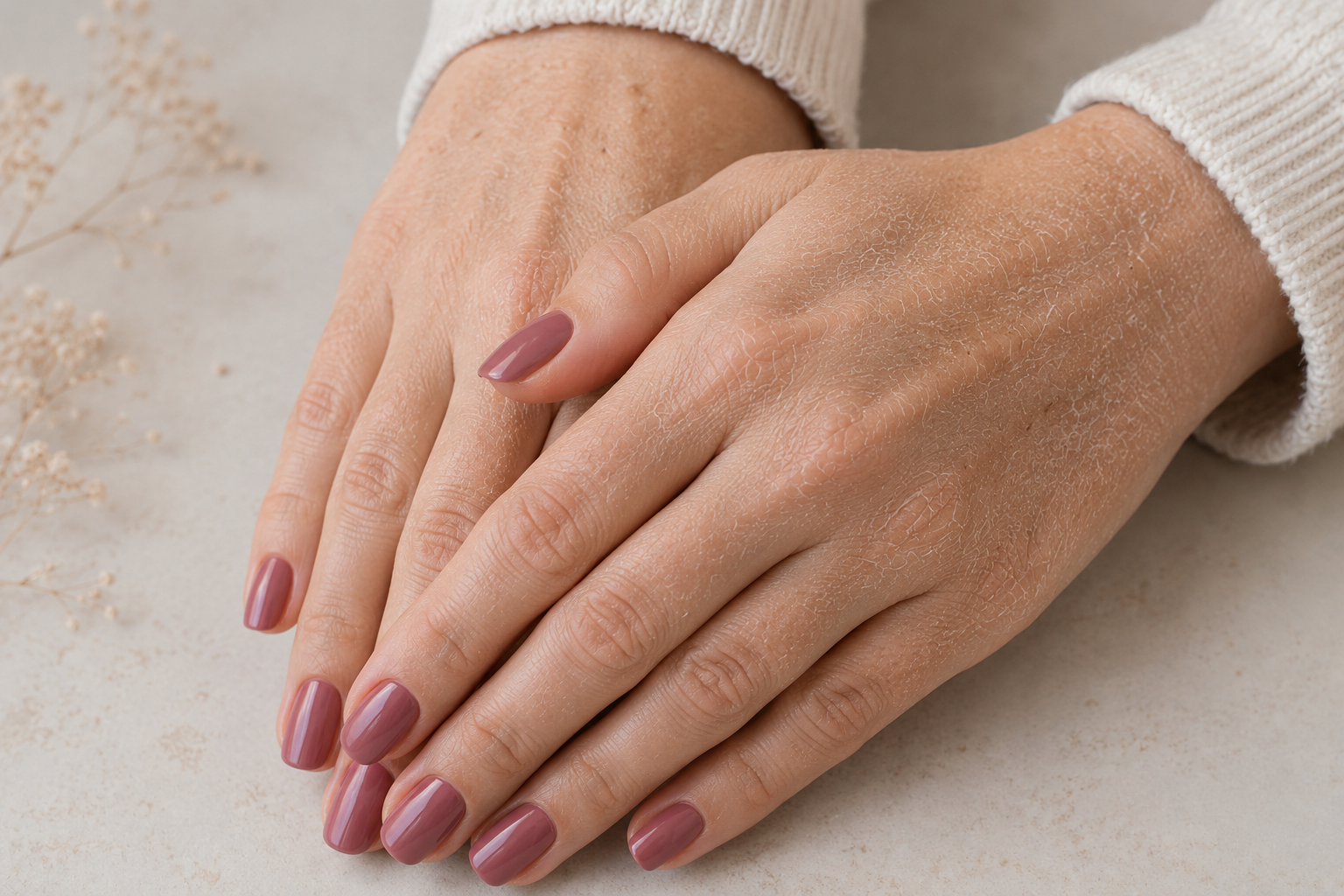
Dry skin on hands is one of the most common skincare concerns affecting people of all ages. If your hands feel rough, flaky, tight, or cracked, you’re not alone. Everyday activities like washing your hands, using hand sanitizer, cleaning with household products, and exposure to cold or dry weather can strip away your skin’s natural moisture barrier. As a result, dry skin on hands can become uncomfortable, itchy, and sometimes even painful.
Your hands work hard every day. They are constantly exposed to water, soap, detergents, sunlight, wind, and changing temperatures. Unlike many other areas of the body, the skin on your hands has fewer oil glands, making it easier for moisture to escape. When the skin loses too much water, it becomes dry, rough, and less able to protect itself from irritation and germs.
The good news is that dry skin on hands is usually manageable with the right skincare routine and healthy habits. Understanding why your hands become dry is the first step toward preventing future damage and keeping your skin soft and healthy throughout the year.
In this complete guide, you’ll learn everything you need to know about dry skin on hands, including its causes, symptoms, risk factors, and the best dermatologist-recommended solutions to restore your skin’s natural moisture.
What Is Dry Skin on Hands?
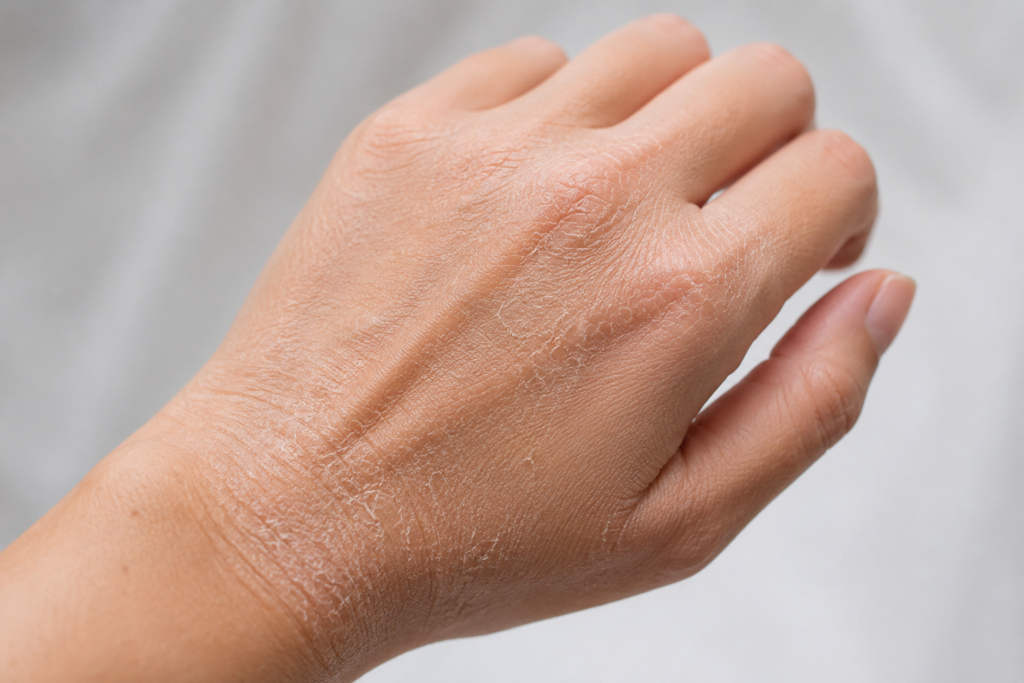
Dry skin on hands occurs when the outer layer of your skin loses too much moisture. Dermatologists refer to this condition as xerosis, which simply means abnormally dry skin. Healthy skin naturally contains water, lipids, and protective oils that help keep it smooth, flexible, and strong. When these natural oils are removed or the skin barrier becomes damaged, moisture escapes more quickly, leading to dryness.
People with dry skin on hands may notice their skin becoming rough, flaky, or dull. In more severe cases, the skin can crack, peel, bleed, or develop painful fissures. These cracks may increase the risk of infection because bacteria can enter through damaged skin.
Although dry skin on hands often becomes worse during winter, it can occur at any time of the year. Air conditioning in summer, frequent handwashing, harsh soaps, and exposure to cleaning chemicals can all contribute to ongoing dryness.
Signs and Symptoms of Dry Skin on Hands
The symptoms of dry skin on hands can vary depending on how much moisture the skin has lost. Mild dryness may only cause slight roughness, while severe dryness can interfere with daily activities.
Common symptoms include:
- Rough or coarse skin texture
- Tightness after washing your hands
- Flaky or peeling skin
- White or ashy appearance
- Itching or irritation
- Small cracks around the fingers or knuckles
- Redness and sensitivity
- Burning or stinging sensation
- Deep painful cracks that may bleed
- Thickened patches of dry skin
Many people first notice dry skin on hands after using soap or hand sanitizer several times throughout the day. Others may experience worsening symptoms during winter when humidity levels are low.
Ignoring these symptoms can allow the skin barrier to weaken further, making dry skin on hands harder to treat over time.
Why Do Hands Become Dry So Easily?
Many people wonder why dry skin on hands develops more often than dryness on other parts of the body. The answer lies in the unique structure of the skin on your hands.
Your hands contain fewer sebaceous (oil) glands than your face. These glands produce natural oils that help lock moisture into the skin. Since the hands have less natural oil, they lose moisture more quickly.
In addition, your hands are exposed to environmental damage almost constantly. Every time you wash dishes, clean your home, garden, type on a keyboard, or spend time outdoors, your skin faces conditions that can weaken its protective barrier.
Because of this daily exposure, dry skin on hands often develops gradually. At first, your hands may simply feel slightly tight after washing. Without proper care, this dryness can progress to roughness, peeling, cracking, and irritation.
Common Causes of Dry Skin on Hands
Understanding the underlying causes of dry skin on hands can help you choose the right treatment and prevent future flare-ups.
Cold Weather
Winter is one of the biggest triggers of dry skin on hands. Cold air contains less moisture, while indoor heating systems further reduce humidity levels. Together, these conditions pull moisture from the skin and leave hands feeling rough and dehydrated.
Frequent Hand Washing
Washing your hands is important for hygiene, but excessive washing removes the skin’s protective oils. Strong soaps and repeated washing throughout the day can weaken the skin barrier and lead to dry skin on hands.
Healthcare workers, teachers, restaurant staff, and parents often experience this problem because they wash their hands many times every day.
Hand Sanitizers
Alcohol-based hand sanitizers effectively kill germs, but frequent use can also dry the skin. Although many sanitizers now include moisturizing ingredients, repeated application may still contribute to dry skin on hands, especially if moisturizer is not applied afterward.
Harsh Soaps and Cleaning Products
Many household cleaners contain ingredients that dissolve grease and oils. Unfortunately, these chemicals cannot distinguish between grease on dishes and the natural oils protecting your skin.
Using detergents, bleach, or disinfectants without gloves significantly increases the risk of dry skin on hands.
Hot Water
Hot water feels relaxing, but it removes natural oils much faster than lukewarm water. Washing your hands with very hot water several times a day can leave your skin dry, irritated, and sensitive.
Low Humidity
Dry indoor air caused by heaters or air conditioners can gradually reduce skin hydration. Even if you drink plenty of water, low humidity may still contribute to dry skin on hands.
Sun Exposure
Ultraviolet (UV) rays not only cause premature aging but also weaken the skin barrier over time. Long-term sun exposure can make dry skin on hands worse, particularly if sunscreen is not used.
Medical Conditions That Can Cause Dry Skin on Hands
Sometimes dry skin on hands is not simply caused by weather or soaps. Certain medical conditions may also contribute to persistent dryness.
Some of the most common conditions include:
- Eczema (Atopic Dermatitis)
- Psoriasis
- Contact Dermatitis
- Diabetes
- Hypothyroidism
- Ichthyosis
- Nutritional deficiencies
- Aging-related skin changes
If dry skin on hands does not improve despite regular moisturizing, or if redness, swelling, severe itching, or bleeding develops, it may indicate an underlying medical condition that requires professional treatment.
Who Is Most Likely to Develop Dry Skin on Hands?
Although anyone can experience dry skin on hands, certain people have a much higher risk.
You may be more likely to develop dry skin on hands if you:
- Wash your hands frequently
- Work in healthcare
- Work as a hairdresser or barber
- Clean homes or offices
- Wash dishes regularly
- Work outdoors during winter
- Frequently use hand sanitizer
- Have eczema or psoriasis
- Have diabetes
- Are over the age of 40
- Live in a cold or dry climate
Knowing these risk factors allows you to take preventive measures before dry skin on hands becomes severe.
Why You Should Treat Dry Skin on Hands Early
Many people ignore dry skin on hands, believing it is only a cosmetic issue. However, untreated dryness can lead to more serious skin problems.
When the skin barrier becomes damaged, moisture escapes faster, while bacteria, allergens, and irritants enter more easily. This can increase the risk of skin infections, painful cracks, inflammation, and eczema flare-ups.
Treating dry skin on hands early with proper moisturizers and gentle skincare products helps restore the skin barrier before serious damage develops.
Best Treatments for Dry Skin on Hands
If you’re struggling with dry skin on hands, the good news is that most cases can improve with a consistent skincare routine. The goal is not just to make your hands feel softer for a few hours but to repair the skin barrier, lock in moisture, and prevent future dryness. By following dermatologist-recommended practices, you can significantly reduce dry skin on hands and keep your skin healthy year-round.
1. Moisturize Your Hands Throughout the Day
The most effective way to treat dry skin on hands is by using a high-quality moisturizer several times a day. Every time you wash your hands, some of your skin’s natural oils are removed. Applying moisturizer immediately after washing helps replace lost moisture before the skin dries out.
Choose creams instead of lightweight lotions if you have severe dry skin on hands because creams contain more nourishing ingredients and create a stronger protective barrier.
For the best results, apply hand cream:
- After every hand wash
- Before going outside
- Before bedtime
- Whenever your hands feel tight or rough
Regular moisturizing is one of the simplest yet most effective ways to improve dry skin on hands.
2. Choose the Right Moisturizing Ingredients
Not all moisturizers work the same way. If you have persistent dry skin on hands, look for products that contain dermatologist-recommended ingredients that attract moisture and strengthen the skin barrier.
Some of the best ingredients include:
Glycerin
Glycerin is a powerful humectant that attracts water into the outer layer of the skin. It helps relieve dry skin on hands by keeping the skin hydrated for longer periods.
Hyaluronic Acid
Hyaluronic acid binds water to the skin, making hands feel smoother and more comfortable. It works especially well when combined with barrier-repair ingredients.
Shea Butter
Shea butter contains nourishing fatty acids that soften rough skin and reduce moisture loss. It is ideal for people with very dry skin on hands.
Ceramides
Ceramides are natural lipids found in healthy skin. They repair the skin barrier, reduce water loss, and protect against environmental damage.
Petrolatum
Petrolatum forms a protective layer over the skin, helping prevent moisture from escaping. It is particularly effective for cracked dry skin on hands.
Urea
Urea gently softens rough, thick skin while increasing hydration. It can be especially helpful for extremely rough dry skin on hands, but avoid using it on open or bleeding cracks unless advised by a healthcare professional.
3. Wash Your Hands the Right Way
Many people unknowingly make dry skin on hands worse by washing incorrectly.
Instead of using very hot water, wash your hands with lukewarm water. Hot water removes protective oils much faster and can increase dryness.
When washing your hands:
- Use lukewarm water.
- Choose a gentle, fragrance-free cleanser.
- Avoid harsh antibacterial soaps unless necessary.
- Pat your hands dry instead of rubbing them.
- Apply moisturizer while your skin is still slightly damp.
This simple routine helps prevent dry skin on hands from becoming worse.
4. Wear Protective Gloves
If your hands are frequently exposed to water, detergents, or chemicals, gloves are essential.
Protective gloves help prevent:
- Water damage
- Chemical irritation
- Excess moisture loss
- Cold weather exposure
Wear rubber gloves while cleaning or washing dishes. During winter, insulated gloves protect dry skin on hands from cold wind and low humidity.
5. Avoid Harsh Skin Products
Some skincare products contain ingredients that may worsen dry skin on hands.
Try to avoid products containing:
- Alcohol (except when necessary in hand sanitizer)
- Strong fragrances
- Harsh detergents
- Sulfates
- Highly scented antibacterial soaps
Switching to gentle, fragrance-free products can make a noticeable difference if you have recurring dry skin on hands.
6. Use an Overnight Hand Treatment
Nighttime is the perfect opportunity to repair dry skin on hands because your skin naturally restores itself while you sleep.
Follow this simple evening routine:
- Wash your hands gently.
- Apply a thick layer of moisturizing cream.
- Seal it with a thin layer of petroleum jelly if your skin is extremely dry.
- Wear soft cotton gloves overnight.
This overnight treatment allows the moisturizer to penetrate deeply and helps heal dry skin on hands more effectively.
7. Protect Your Hands from the Sun
Many people forget that sun exposure can contribute to dry skin on hands.
Ultraviolet rays damage collagen and weaken the skin barrier over time. Apply a broad-spectrum sunscreen with SPF 30 or higher to the backs of your hands whenever you’ll be outdoors for extended periods.
Using sunscreen regularly not only protects against sun damage but also helps reduce dry skin on hands caused by environmental exposure.
Natural Home Remedies for Dry Skin on Hands
If you’re looking for simple ways to soothe dry skin on hands, several home remedies can complement your regular skincare routine.
Aloe Vera Gel
Pure aloe vera provides soothing hydration and may help calm irritated dry skin on hands.
Coconut Oil
Coconut oil creates a protective barrier that reduces moisture loss and softens rough skin.
Oatmeal Soak
Colloidal oatmeal is known for its soothing properties and may help reduce itching associated with dry skin on hands.
Honey
Honey is a natural humectant that attracts moisture to the skin. Applying a thin layer for 10–15 minutes may help improve hydration.
Petroleum Jelly
One of the simplest and most effective remedies for dry skin on hands is petroleum jelly. Applying it before bed helps seal moisture into the skin overnight.
Daily Hand Care Routine for Dry Skin on Hands
Consistency is the key to improving dry skin on hands.
A simple daily routine includes:
Morning
- Wash hands with a gentle cleanser.
- Apply moisturizer.
- Use sunscreen before going outdoors.
Throughout the Day
- Moisturize after every hand wash.
- Wear gloves while cleaning.
- Avoid very hot water.
Evening
- Wash hands gently.
- Apply a rich hand cream.
- Use petroleum jelly if needed.
- Wear cotton gloves overnight for deep hydration.
https://myglowo.com/Following this routine every day can significantly improve dry skin on hands and help prevent future flare-ups.
Foods That Help Improve Dry Skin on Hands
What you eat can have a direct impact on the health of your skin. While moisturizers work from the outside, a nutrient-rich diet supports your skin from within. If you frequently experience dry skin on hands, adding skin-friendly foods to your meals may help improve hydration and strengthen your skin barrier over time.
Some of the best foods for healthy skin include:
- Fatty fish like salmon, sardines, and mackerel for omega-3 fatty acids.
- Avocados, which contain healthy fats and vitamin E.
- Nuts and seeds such as almonds, walnuts, chia seeds, and flaxseeds.
- Sweet potatoes and carrots, which are rich in beta-carotene.
- Citrus fruits, strawberries, and kiwi for vitamin C.
- Leafy green vegetables like spinach and kale.
- Eggs, which provide protein and biotin.
- Plenty of water throughout the day to support overall hydration.
Although drinking water alone will not cure dry skin on hands, staying hydrated helps your body maintain healthy skin.
Common Mistakes That Make Dry Skin on Hands Worse
Many people unknowingly make dry skin on hands worse through everyday habits. Avoiding these mistakes can speed up healing and prevent future dryness.
Washing Hands with Hot Water
Very hot water removes your skin’s natural oils much faster than lukewarm water. Always wash your hands using warm—not hot—water.
Skipping Moisturizer
One of the biggest mistakes is waiting until your hands feel extremely dry before applying cream. Moisturizer works best when applied immediately after washing.
Using Harsh Soaps
Strong soaps with fragrances, alcohol, or harsh detergents can damage the skin barrier and increase dry skin on hands.
Ignoring Small Cracks
Tiny cracks may seem harmless, but they can deepen over time and increase the risk of infection. Treat them early with a rich moisturizer and protect your hands from further irritation.
Not Wearing Gloves
Whether you’re washing dishes, gardening, or cleaning the house, gloves protect your skin from water, chemicals, and cold weather.
Forgetting Sunscreen
The backs of your hands are exposed to sunlight almost every day. UV damage weakens the skin barrier and can worsen dry skin on hands.
How to Prevent Dry Skin on Hands
Preventing dry skin on hands is much easier than treating severely cracked skin. Making a few simple changes to your daily routine can keep your hands soft and healthy.
Follow these prevention tips:
- Apply hand cream after every hand wash.
- Wash with lukewarm water instead of hot water.
- Use fragrance-free, gentle cleansers.
- Wear gloves when cleaning or gardening.
- Protect your hands during cold weather.
- Use sunscreen with SPF 30 or higher.
- Keep a travel-size hand cream in your bag or pocket.
- Avoid excessive use of alcohol-based products whenever possible.
- Use a humidifier during dry winter months.
- Moisturize before going to bed every night.
These habits help maintain your skin’s natural barrier and reduce the chances of developing dry skin on hands.
When Should You See a Doctor?
Most cases of dry skin on hands improve with regular moisturizing and gentle skincare. However, medical attention may be necessary if symptoms become severe or don’t improve.
See a healthcare professional if:
- Your dry skin on hands continues for several weeks despite proper care.
- Deep cracks become painful or start bleeding.
- Signs of infection appear, such as swelling, pus, warmth, or increasing redness.
- Your hands become extremely itchy or develop a rash.
- Dryness interferes with your daily activities or sleep.
- You suspect eczema, psoriasis, or another skin condition.
- The skin becomes thick, discolored, or unusually painful.
A doctor or dermatologist can identify the underlying cause and recommend prescription treatments if needed.
Frequently Asked Questions (FAQs)
Is dry skin on hands a sign of dehydration?
Not always. While dehydration may contribute to dry skin, dry skin on hands is more commonly caused by frequent hand washing, cold weather, harsh soaps, low humidity, or skin conditions like eczema.
What is the best moisturizer for dry skin on hands?
Look for creams containing glycerin, ceramides, shea butter, hyaluronic acid, petrolatum, or urea. These ingredients help repair the skin barrier and lock in moisture.
Can hand sanitizer cause dry skin on hands?
Yes. Frequent use of alcohol-based hand sanitizers can remove natural oils from the skin, leading to dry skin on hands. Applying moisturizer after using sanitizer can help reduce dryness.
How often should I moisturize my hands?
For best results, apply moisturizer after every hand wash, before going outside, and before bed. If you have severe dry skin on hands, reapply whenever your skin feels dry.
Can dry skin on hands be prevented?
Yes. Using gentle cleansers, moisturizing regularly, wearing protective gloves, avoiding hot water, and protecting your hands from the sun can significantly reduce the risk of dry skin on hands.
Does winter make dry skin on hands worse?
Yes. Cold weather and low humidity reduce the amount of moisture in the air, making dry skin on hands much more common during winter.
Final Thoughts
Dry skin on hands is a common problem, but it doesn’t have to become a daily struggle. Whether your dryness is caused by cold weather, frequent hand washing, harsh cleaning products, aging, or an underlying skin condition, the right care routine can make a noticeable difference.
The key to managing dry skin on hands is consistency. Wash with gentle cleansers, avoid hot water, moisturize after every hand wash, wear protective gloves during household tasks, and choose products with proven hydrating ingredients such as glycerin, ceramides, shea butter, and hyaluronic acid.
Most people notice significant improvement within a few weeks of following a proper hand care routine. However, if dry skin on hands becomes severe, painful, or doesn’t improve despite regular moisturizing, consult a dermatologist to rule out conditions such as eczema, psoriasis, or other medical issues.
By following the tips in this guide, you can restore your skin’s natural moisture barrier, reduce irritation, prevent future dryness, and enjoy healthier, smoother hands throughout every season.