
Table of Contents
- Why Is My Nose So Oily?
- What Causes an Oily Nose?
- Common Signs of an Oily Nose
- How Excess Sebum Affects Your Skin
- Best Daily Habits to Reduce Nose Oil
- Mistakes That Make Your Nose Oilier
- FAQs
- Conclusion
Why Is My Nose So Oily?
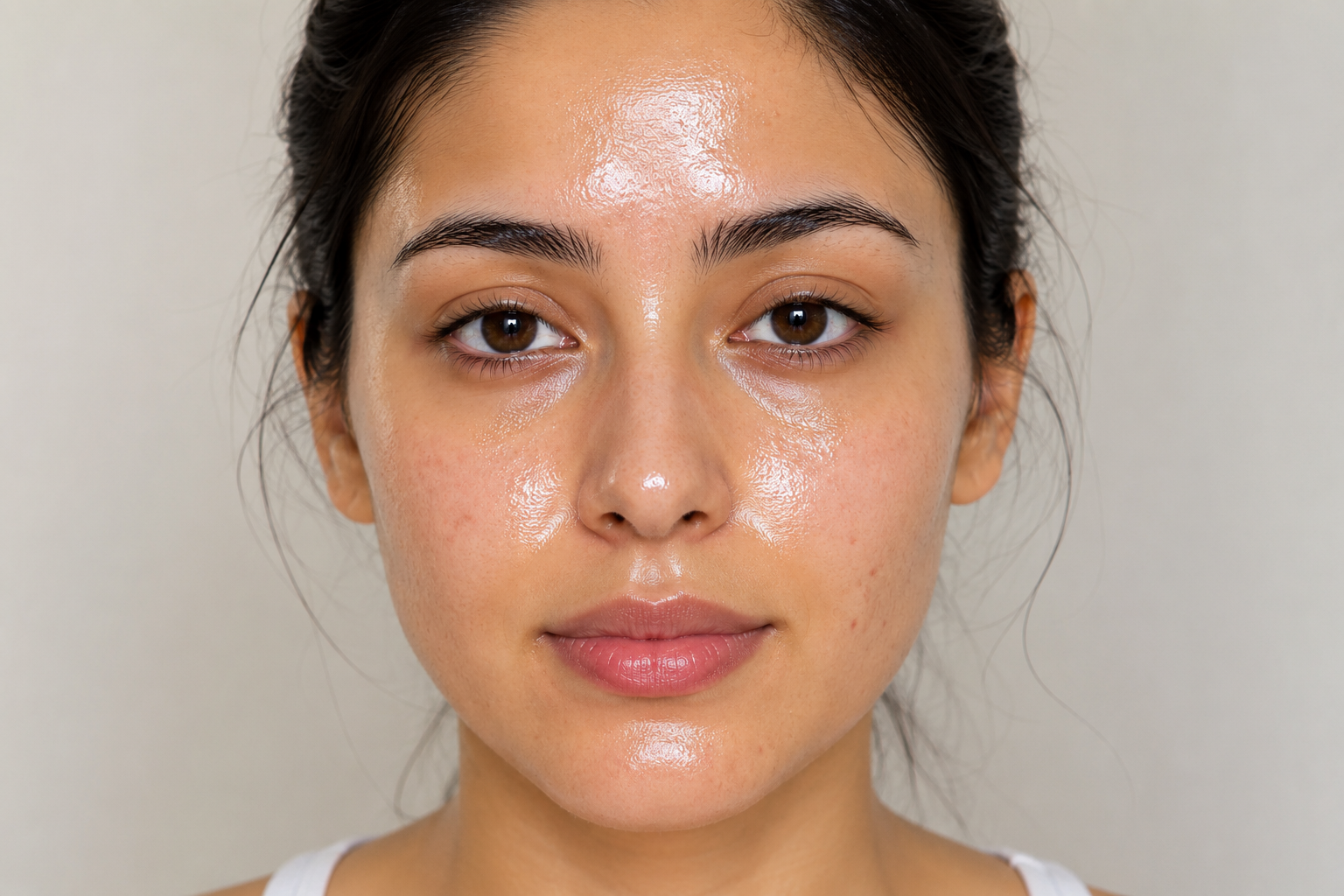
Have you ever looked in the mirror just a few hours after washing your face and wondered, “Why is my nose so oily?” You’re not alone. Many people struggle with an oily nose even when the rest of their face feels normal or slightly dry. The nose is part of the T-zone, which naturally contains more oil-producing glands than other areas of the face. While a small amount of oil is essential for healthy skin, excessive oil production can leave your nose looking shiny, clog your pores, and increase the risk of blackheads and acne.
Understanding why is my nose so oily is the first step toward choosing the right skincare routine. Instead of trying to remove every trace of oil, the goal should be to balance your skin so it stays healthy, hydrated, and comfortable throughout the day.
In this complete guide, you’ll learn what causes an oily nose, which daily habits can make the problem worse, and the best dermatologist-approved ways to reduce excess oil without damaging your skin barrier.
What Causes an Oily Nose?
If you’ve been searching online for why is my nose so oily, the answer isn’t always simple. Several factors work together to increase oil production, and identifying the cause can help you manage it more effectively.
Your Sebaceous Glands Produce More Oil
Your skin contains thousands of tiny sebaceous glands responsible for producing sebum. Sebum is your skin’s natural oil that keeps it soft, smooth, and protected from dryness. The nose has one of the highest concentrations of these glands, which is why it often becomes oily much faster than other parts of your face.
When these glands become overactive, they produce excess sebum that sits on the surface of your skin. This creates the greasy shine many people notice during the day.
Genetics Play a Major Role
One of the biggest answers to why is my nose so oily is genetics. If your parents have naturally oily skin, there’s a good chance you’ll inherit the same skin type.
Although you can’t change your genes, you can control how you care for your skin. A consistent skincare routine can significantly reduce visible oil and help prevent clogged pores.
Hormonal Changes Increase Sebum Production
Hormones have a direct impact on your skin’s oil production. During puberty, pregnancy, menstruation, or periods of high stress, hormone levels fluctuate and stimulate sebaceous glands to produce more oil.
This is why teenagers and young adults often experience a noticeably oily nose along with acne breakouts. Adults may also notice increased oiliness during hormonal changes or stressful periods.
Your T-Zone Naturally Produces More Oil
The forehead, nose, and chin form what’s known as the T-zone. This area contains significantly more sebaceous glands than the cheeks, making it naturally oilier.
Even people with combination skin often ask why is my nose so oily because their cheeks remain normal or dry while the nose becomes shiny within a few hours.
Weather and Humidity
Hot weather and humid environments encourage your skin to produce more oil and sweat. During summer, your nose may become greasy much faster because heat stimulates sebaceous glands.
Cold weather can also affect your skin. If your skin becomes dehydrated, it may compensate by producing even more oil.
Using the Wrong Skincare Products
Many people accidentally make their oily skin worse by choosing products that are too harsh. Strong cleansers containing alcohol or sulfates strip away your skin’s natural oils.
When this happens, your skin thinks it’s becoming too dry and responds by producing even more sebum. This creates a cycle where your nose feels oilier every day.
Instead, choose gentle, oil-free, and non-comedogenic skincare products that clean your skin without damaging its protective barrier.
Common Signs of an Oily Nose
If you’re still asking yourself why is my nose so oily, look for these common signs.
Your nose becomes shiny only a few hours after cleansing.
Your makeup starts breaking apart around your nose before the end of the day.
Blackheads frequently appear on or around your nose.
Your pores look larger than those on your cheeks.
You constantly feel the need to wipe away excess oil.
Your nose feels greasy even after washing your face.
These signs usually indicate that your sebaceous glands are producing more oil than your skin actually needs.
How Excess Sebum Affects Your Skin
Sebum itself isn’t harmful. In fact, it’s essential for maintaining healthy skin. Problems begin only when your skin produces more oil than necessary.
Excess oil combines with dead skin cells, dirt, sunscreen, and makeup residue inside your pores. Over time, this mixture can clog pores and create blackheads, whiteheads, and inflammatory acne.
People searching why is my nose so oily are often surprised to learn that oil alone isn’t the real problem. The combination of excess sebum and clogged pores creates the conditions for acne-causing bacteria to grow.
That’s why reducing oil gently—rather than completely removing it—is the healthiest approach.
Best Daily Habits to Reduce Nose Oil
Once you understand why is my nose so oily, the next step is developing healthy skincare habits.
Wash your face twice daily using a gentle cleanser made for oily or combination skin.
Apply a lightweight moisturizer every morning and evening to prevent dehydration.
Use sunscreen every day because UV exposure can increase oil production.
Drink enough water throughout the day to support healthy skin hydration.
Avoid touching your face frequently, as your hands transfer dirt and oil to your nose.
Choose non-comedogenic skincare and makeup products that won’t clog pores.
Clean your makeup brushes regularly to prevent bacteria buildup.
Stay consistent with your skincare routine instead of changing products every week.
Following these simple habits consistently often produces better long-term results than using harsh treatments.
In the next part, we’ll cover the best ingredients for oily skin, the most common skincare mistakes that increase nose oil, an effective morning and nighttime routine, home remedies, dermatologist treatments, and expert tips to keep your skin balanced throughout the day.
Best Ingredients to Control an Oily Nose
If you’ve been wondering why is my nose so oily, choosing the right skincare ingredients can make a significant difference. Instead of using harsh products that dry out your skin, focus on ingredients that regulate oil production while keeping your skin healthy and hydrated.
Salicylic Acid
Salicylic acid is one of the most effective ingredients for oily and acne-prone skin. It penetrates deep into the pores, dissolves excess oil, removes dead skin cells, and helps prevent blackheads.
If you’re searching for solutions to why is my nose so oily, a cleanser or serum containing salicylic acid can become an essential part of your routine.
Niacinamide
Niacinamide is a multitasking skincare ingredient known for balancing oil production and strengthening the skin barrier. It also helps reduce enlarged pores, improves uneven skin tone, and minimizes redness.
Many dermatologists recommend niacinamide for people asking why is my nose so oily because it controls shine without making the skin dry.
Hyaluronic Acid
Many people think oily skin doesn’t need hydration, but that’s a myth.
Hyaluronic acid attracts moisture to the skin without adding grease. Proper hydration helps prevent your skin from producing extra oil to compensate for dryness.
Clay
Clay masks absorb excess sebum and deeply cleanse pores without damaging healthy skin. Using a clay mask once or twice a week can noticeably reduce shine around your nose.
Zinc PCA
Zinc PCA is another excellent ingredient for oily skin. It helps regulate sebum production, reduces inflammation, and keeps pores clearer over time.
Green Tea Extract
Green tea is packed with antioxidants that soothe irritated skin while helping control excess oil. It can also reduce redness caused by acne or inflammation.
Skincare Mistakes That Make Your Nose Oilier
Many people unknowingly make their oily nose worse. If you’re constantly asking why is my nose so oily, one of these habits may be responsible.
Washing Your Face Too Often
It may seem logical that washing your face several times a day would reduce oil.
Unfortunately, overwashing removes your skin’s natural protective oils, causing sebaceous glands to produce even more sebum.
Stick to cleansing only twice a day unless you’ve been sweating heavily.
Skipping Moisturizer
This is one of the biggest skincare mistakes.
People with oily skin often avoid moisturizer because they think it will make their face greasier.
The truth is that dehydrated skin usually produces even more oil. A lightweight, oil-free moisturizer helps maintain balance and supports a healthier skin barrier.
Using Harsh Products
Strong soaps, alcohol-based toners, and aggressive scrubs can damage your skin barrier.
When your skin becomes irritated, it often responds by producing additional oil.
Choose gentle skincare products designed specifically for oily or combination skin.
Touching Your Face Frequently
Your hands carry bacteria, dirt, and natural oils.
Touching your nose throughout the day transfers these impurities onto your skin, increasing clogged pores and making your nose appear even shinier.
Sleeping with Makeup
Leaving makeup on overnight mixes with oil, sweat, and dead skin cells.
This blocks pores and often leads to blackheads, acne, and increased oiliness the following morning.
Always remove your makeup before going to bed.
Morning Skincare Routine for an Oily Nose
If you’re tired of asking why is my nose so oily, following a simple morning routine can help keep shine under control throughout the day.
Step 1: Wash your face using a gentle foaming cleanser.
Step 2: Apply a lightweight toner with niacinamide or salicylic acid.
Step 3: Use a hydrating serum if your skin feels dehydrated.
Step 4: Apply an oil-free moisturizer.
Step 5: Finish with a broad-spectrum SPF 30 or higher sunscreen.
Following these five steps every morning helps balance oil production while protecting your skin from environmental damage.
Night Skincare Routine for an Oily Nose
Nighttime is when your skin naturally repairs itself, making it the perfect time for targeted skincare.
Start by removing sunscreen and makeup completely.
Wash your face using a gentle cleanser.
Apply a treatment serum containing salicylic acid or niacinamide.
Finish with a lightweight moisturizer to lock in hydration overnight.
Following this routine consistently can improve skin texture and reduce excess shine over time.
Simple Lifestyle Changes That Can Reduce an Oily Nose
Daily habits play a major role in answering why is my nose so oily.
Drink at least eight glasses of water every day.
Eat more vegetables, fruits, whole grains, and foods rich in omega-3 fatty acids.
Reduce sugary drinks, processed snacks, and greasy fast food.
Exercise regularly to improve blood circulation and overall skin health.
Manage stress through meditation, walking, or quality sleep because stress hormones can increase oil production.
Change your pillowcase at least twice each week to reduce bacteria buildup.
Clean your phone screen regularly since it comes into contact with your face every day.
https://myglowo.com/Small lifestyle improvements often produce noticeable results when combined with a consistent skincare routine.
Home Remedies to Reduce an Oily Nose
If you’ve been searching why is my nose so oily, you may also be looking for simple ways to manage excess shine at home. While home remedies won’t permanently change your skin type, they can help reduce oil and keep your skin looking fresh when used alongside a proper skincare routine.
Apply a Clay Mask Weekly
Clay masks absorb excess oil, remove impurities, and leave your pores looking cleaner. Using a clay mask once or twice a week is usually enough for oily skin. Avoid using it every day because overuse can dry out your skin.
Use Oil Blotting Papers
If your nose becomes shiny during the day, oil blotting papers are a quick and effective solution. They absorb excess sebum without removing your sunscreen or makeup.
Instead of rubbing your skin, gently press the blotting paper onto your nose for a few seconds.
Try Raw Honey
Raw honey contains natural antibacterial properties that may help keep your skin clean while providing lightweight hydration. Apply a thin layer to your nose for about 10 minutes before rinsing with lukewarm water.
Wash with Lukewarm Water
Hot water may strip away your skin’s natural oils, causing your sebaceous glands to produce even more oil. Washing your face with lukewarm water is a gentler option that helps maintain your skin’s natural balance.
When Should You See a Dermatologist?
For many people, a consistent skincare routine is enough to control excess oil. However, if you’re still wondering why is my nose so oily despite following healthy skincare habits, it may be time to seek professional advice.
Consider visiting a dermatologist if:
- Your oily nose is accompanied by severe acne.
- You have painful cystic breakouts.
- Large pores continue to become clogged despite regular cleansing.
- Over-the-counter products aren’t improving your skin after several months.
- Your skin feels constantly irritated, red, or inflamed.
A dermatologist can examine your skin type and recommend personalized treatments based on your specific needs.
Professional Treatments for an Oily Nose
Professional skincare treatments can help manage excessive oil production more effectively than home care alone.
Chemical Peels
Chemical peels gently exfoliate the outer layer of skin, reducing clogged pores, improving skin texture, and minimizing excess oil.
Microdermabrasion
Microdermabrasion removes dead skin cells and promotes smoother skin. It may also improve the appearance of enlarged pores and reduce surface oil buildup.
Prescription Treatments
If excess oil is linked to acne or hormonal changes, your dermatologist may prescribe topical retinoids, medicated creams, or other treatments designed to regulate oil production.
Myths About Oily Skin
Many misconceptions lead people to use the wrong skincare products. Let’s clear up a few common myths.
Myth: Oily Skin Doesn’t Need Moisturizer
False.
One of the biggest reasons people continue asking why is my nose so oily is because they stop using moisturizer. Dehydrated skin often responds by producing even more oil.
Myth: Washing Your Face More Often Removes Oil
False.
Overwashing damages your skin barrier and encourages your sebaceous glands to produce additional sebum.
Myth: Sun Exposure Dries Out Oily Skin
False.
While sunlight may temporarily reduce surface oil, UV damage can weaken your skin barrier and eventually increase oil production.
Frequently Asked Questions
Why is my nose so oily even after washing my face?
Your sebaceous glands continue producing sebum throughout the day. If you’re using harsh cleansers or skipping moisturizer, your skin may produce even more oil to compensate.
Why is my nose oily but my cheeks are dry?
This usually happens if you have combination skin. The T-zone naturally contains more sebaceous glands than the cheeks, making the nose oilier.
Can stress make my nose oilier?
Yes. Stress increases cortisol levels, which can stimulate sebaceous glands and cause your skin to produce more oil.
Is oily skin good or bad?
Oily skin isn’t bad. Sebum protects your skin and helps maintain its moisture barrier. Problems only occur when excess oil combines with dirt and dead skin cells, leading to clogged pores and breakouts.
Can diet affect an oily nose?
A balanced diet supports healthier skin. Some people notice increased oiliness after eating large amounts of sugary foods, processed snacks, or greasy meals, although individual results may vary.
Final Tips for Keeping Your Nose Shine-Free
If you’ve been asking why is my nose so oily, remember that completely eliminating oil isn’t the goal. Healthy skin naturally produces sebum to stay soft and protected.
The best approach is to control excess oil while maintaining your skin’s natural moisture balance.
Follow these simple habits every day:
- Cleanse your face morning and night.
- Never skip moisturizer.
- Wear sunscreen daily.
- Exfoliate 2–3 times each week.
- Choose non-comedogenic skincare products.
- Drink plenty of water.
- Avoid touching your face.
- Stay consistent with your skincare routine.
Small daily habits often produce better long-term results than using harsh products that promise instant fixes.
Conclusion
If you’ve ever wondered, why is my nose so oily, the answer usually comes down to a combination of genetics, overactive sebaceous glands, hormones, environmental factors, and your daily skincare habits. Since the nose is part of the T-zone, it naturally contains more oil glands, making it more prone to shine, enlarged pores, blackheads, and occasional breakouts.
The good news is that oily skin can be managed successfully with the right approach. Using a gentle cleanser, lightweight moisturizer, sunscreen, and ingredients like salicylic acid and niacinamide can help balance sebum production without stripping your skin. Consistency is far more effective than harsh treatments or frequent product changes.
Remember that healthy skin isn’t completely oil-free. The goal is to reduce excess shine while keeping your skin hydrated, protected, and comfortable. By understanding why is my nose so oily and following a simple skincare routine every day, you can enjoy clearer pores, a smoother complexion, and healthier-looking skin all year round.