Introduction
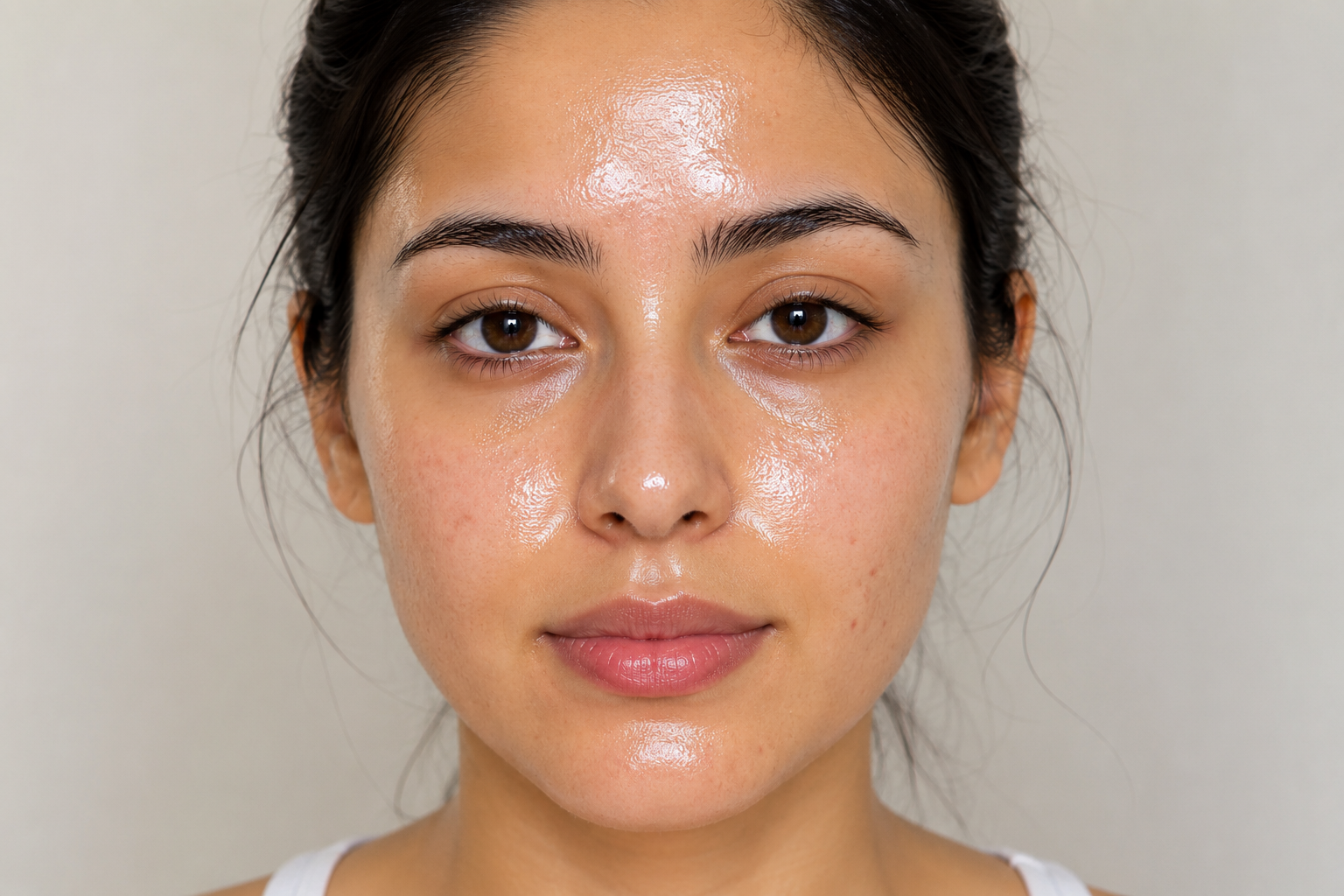
If you constantly notice a shiny face just a few hours after washing it, struggle with clogged pores, or experience frequent acne breakouts, you are not alone. Millions of people worldwide deal with oily skin every day. While natural oils are essential for keeping the skin healthy, excessive oil production can lead to blackheads, enlarged pores, whiteheads, acne, and an overall greasy appearance.
Many people try random face washes, home remedies, or trending skincare products without understanding the real cause of oily skin. Unfortunately, this often makes the problem worse. A dermatologist oily skin treatment plan focuses on identifying the underlying causes and selecting products that work with your skin instead of stripping away its natural protective barrier.
In this complete guide, you’ll learn everything a dermatologist recommends about oily skin, including its causes, symptoms, the best skincare routine, and science-backed ingredients that help control excess oil naturally.
What Is Oily Skin?
Oily skin is a skin type in which the sebaceous glands produce more sebum than the skin actually needs. Sebum is a natural oil that keeps the skin soft, moisturized, and protected from environmental damage.
However, when too much sebum is produced, it mixes with dead skin cells and dirt, clogging pores and creating the perfect environment for acne-causing bacteria.
A dermatologist oily skin evaluation usually begins by determining whether your oil production is genetic, hormonal, or caused by external factors such as skincare habits or climate.
How Dermatologists Identify Oily Skin
Dermatologists don’t judge oily skin based only on a shiny face. Instead, they look for several signs before recommending treatment.
Common symptoms include:
- Constant facial shine, especially on the forehead, nose, and chin
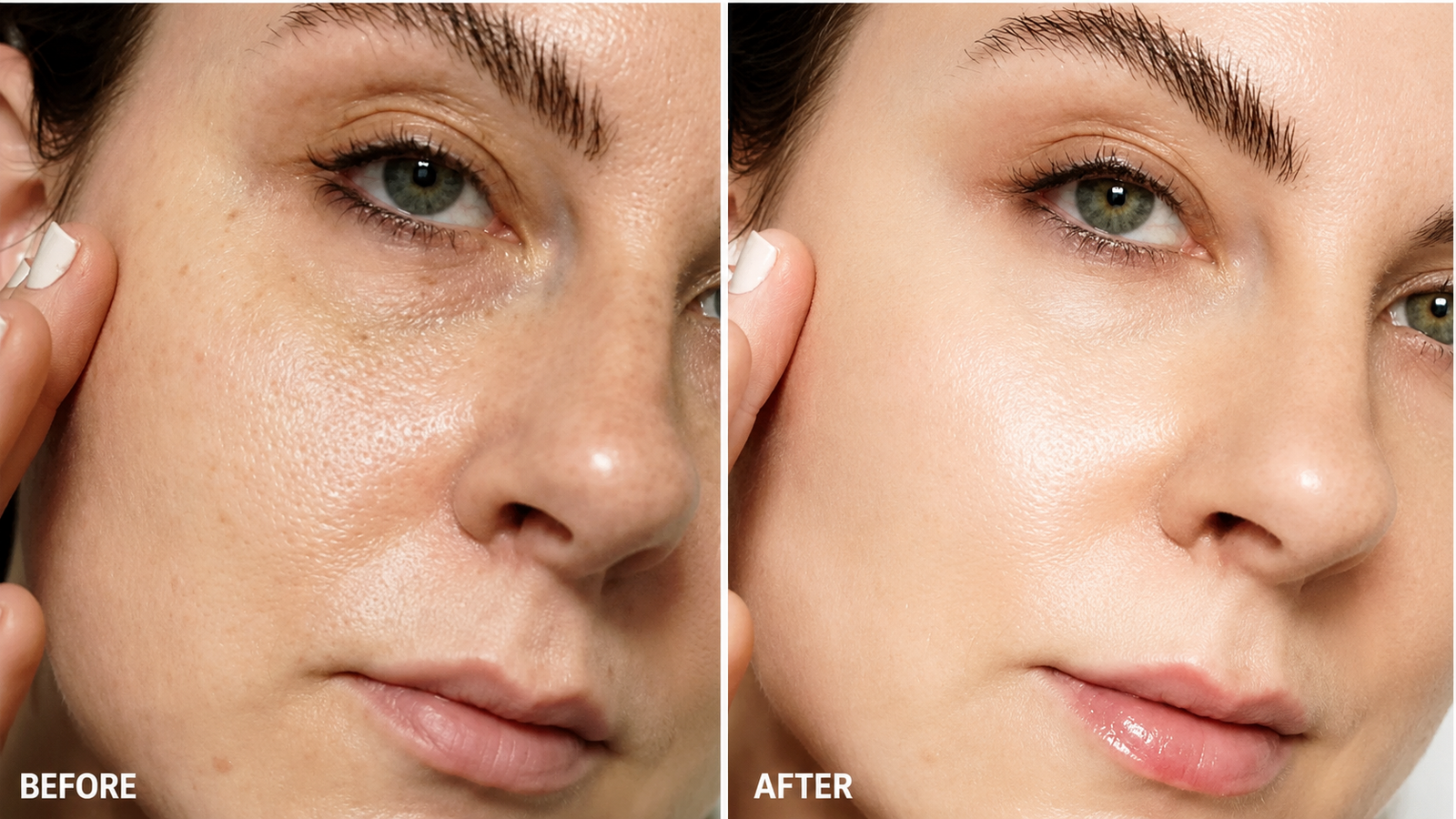
- Enlarged pores
- Blackheads and whiteheads
- Frequent acne breakouts
- Makeup that slides off quickly
- Greasy feeling within a few hours after cleansing
- Congested skin texture
If you experience several of these symptoms daily, a dermatologist oily skin consultation can help identify the right treatment plan.
Why Does Oily Skin Develop?
Understanding the cause is the first step toward controlling excess oil.
1. Genetics
The most common reason is genetics. If your parents have oily skin, there is a higher chance that you will have it too.
Your sebaceous glands are naturally more active, producing greater amounts of oil throughout your life.
2. Hormonal Changes
Hormones strongly influence oil production.

A dermatologist often sees increased oil production during:
- Puberty
- Pregnancy
- Menstrual cycles
- Menopause
- Polycystic Ovary Syndrome (PCOS)
Higher androgen hormone levels stimulate sebaceous glands, increasing oil production.
3. Hot and Humid Weather
Warm temperatures encourage sebaceous glands to produce more oil.
This explains why many people notice their skin becomes shinier during summer compared to winter.
A dermatologist oily skin routine often changes slightly according to seasonal weather.
4. Using the Wrong Skincare Products
Many people mistakenly use harsh cleansers or alcohol-based toners.
These products remove all natural oils.
Your skin then responds by producing even more oil to compensate.
Dermatologists recommend gentle cleansing instead of aggressive scrubbing.
5. Overwashing the Face
Washing your face five or six times daily seems like a good idea.
Actually, it can worsen oily skin.
Overwashing damages the skin barrier, leading to increased oil production.
A dermatologist oily skin routine usually recommends washing only twice daily and after excessive sweating.
Is Oily Skin Bad?
Not necessarily.
Dermatologists often explain that oily skin also has several advantages.
Benefits include:
- Slower wrinkle formation
- Better natural hydration
- Improved skin barrier
- Less dryness during winter
- Better elasticity
The goal isn’t removing all oil.
Instead, a dermatologist oily skin treatment focuses on balancing oil production while keeping the skin healthy.
Common Problems Caused by Oily Skin
Although oily skin has benefits, excessive oil can create several concerns.
Acne
Excess oil combines with bacteria and dead skin cells.
This clogs pores, causing:
- Pimples
- Papules
- Pustules
- Cysts
- Nodules
Enlarged Pores
Oil stretches the pore openings.
As pores become larger, dirt accumulates more easily, creating blackheads.
Blackheads and Whiteheads
Blocked pores filled with oil and dead skin create comedones.
Open comedones become blackheads.
Closed comedones become whiteheads.
Uneven Skin Texture
Oily skin often looks rough because of congestion.
Proper exfoliation can improve skin texture significantly.
Makeup Doesn’t Last
People with oily skin often notice that foundation breaks apart within a few hours.
Dermatologists recommend lightweight, oil-free, non-comedogenic makeup products.
Dermatologist Oily Skin Routine (Morning)
Following a consistent skincare routine is more effective than buying expensive products.
Step 1 – Cleanse Gently
Choose a gentle foaming or gel cleanser.
Look for ingredients such as:
- Salicylic Acid
- Zinc PCA
- Niacinamide
- Green Tea Extract
Avoid harsh soaps because they damage the skin barrier.
A dermatologist oily skin routine always begins with gentle cleansing.
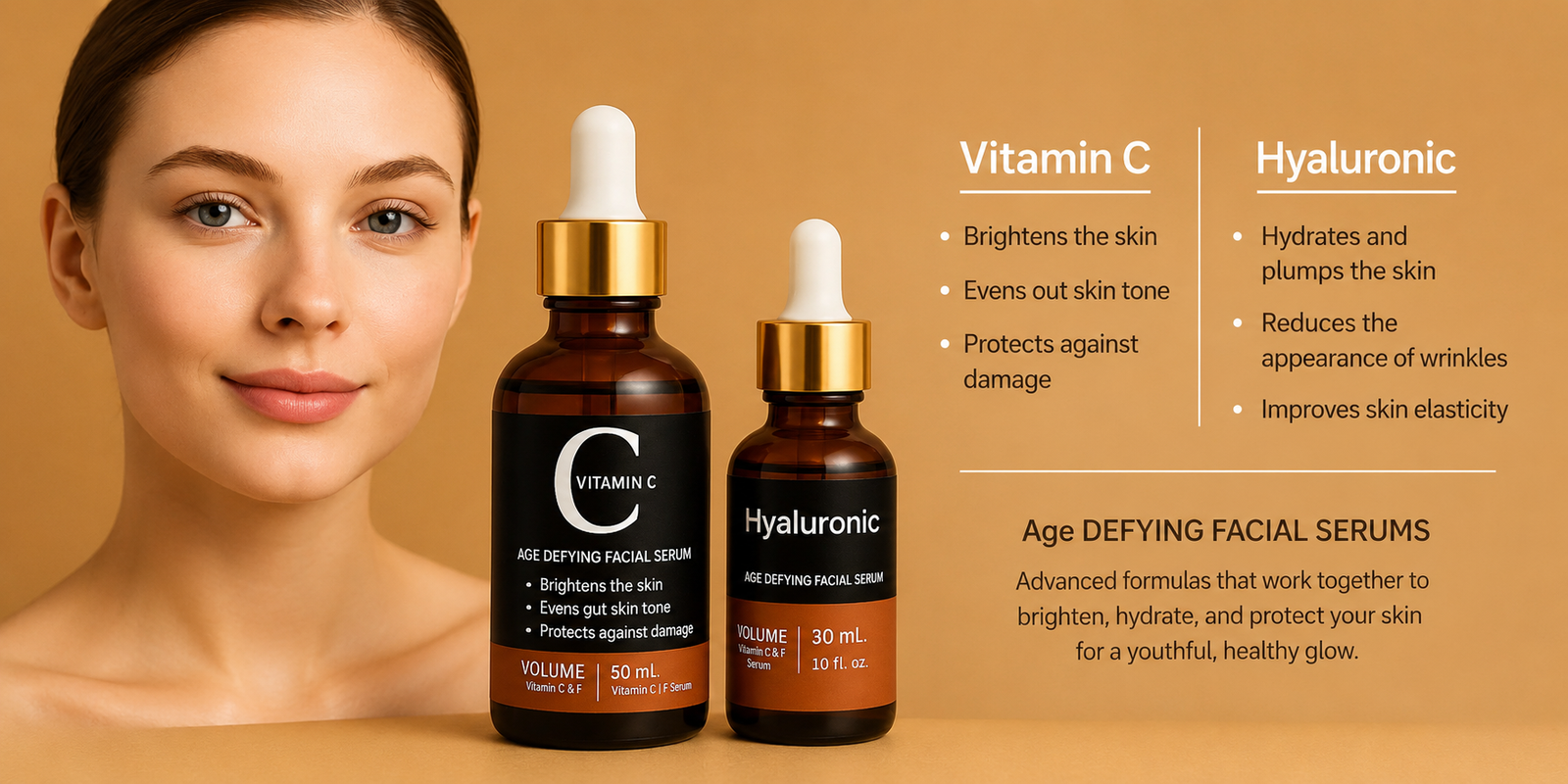
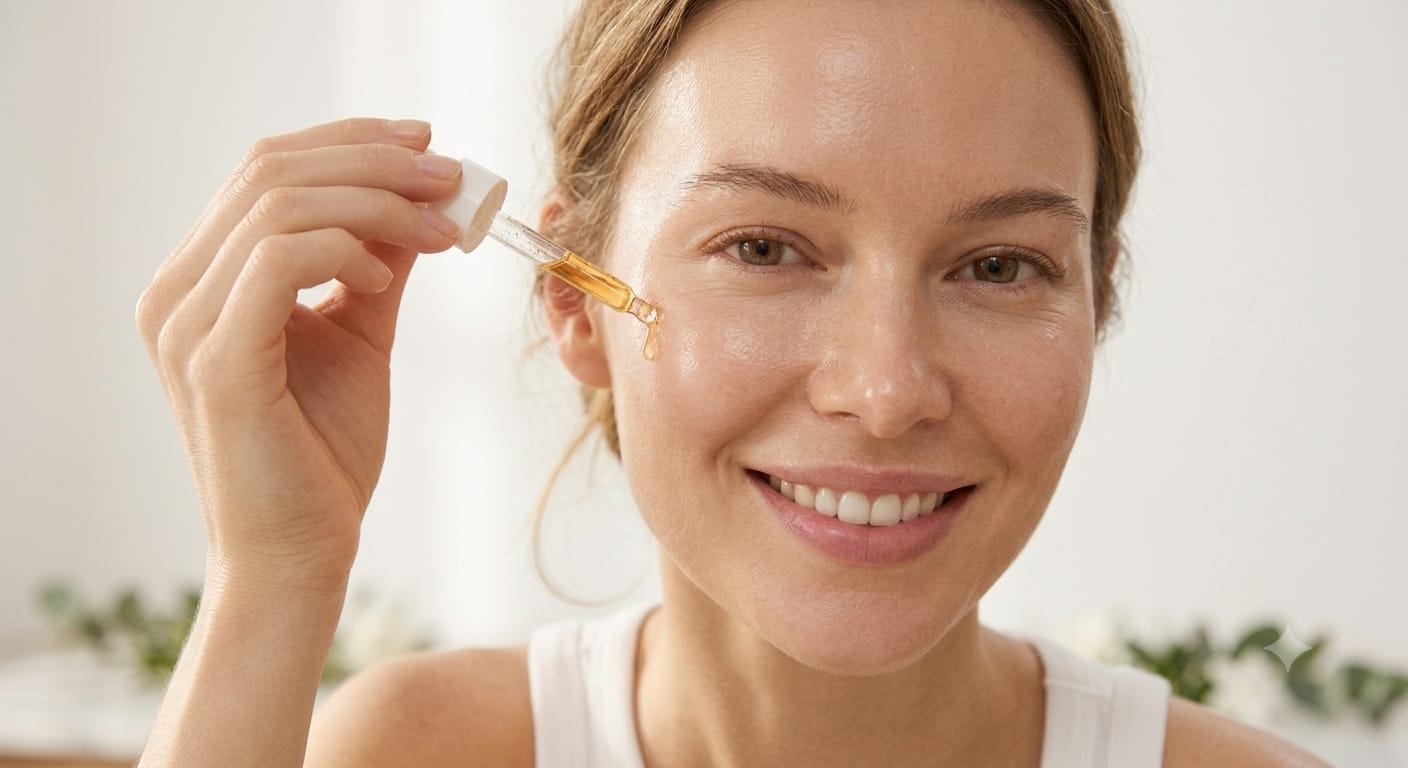
Step 2 – Apply a Lightweight Serum
A serum helps target excess oil without making skin greasy.
Recommended ingredients include:
- Niacinamide
- Zinc
- Hyaluronic Acid
- Green Tea Extract
These ingredients balance sebum production while keeping skin hydrated.
Step 3 – Moisturize
Many people skip moisturizer because they fear it will make oily skin worse.
This is a mistake.
Even oily skin requires hydration.
Choose:
- Oil-free moisturizer
- Non-comedogenic formula
- Lightweight gel moisturizer
Hydrated skin often produces less excess oil.
Step 4 – Wear Sunscreen Every Day
Sun exposure can damage oily skin just like any other skin type.
Choose:
- SPF 30 or higher
- Oil-free sunscreen
- Matte finish sunscreen
- Non-comedogenic sunscreen
Daily sunscreen protects against pigmentation, premature aging, and sun damage.
Ingredients Dermatologists Recommend for Oily Skin
Scientific research supports several ingredients for controlling excess oil.
Salicylic Acid
Salicylic acid penetrates deep into pores and dissolves excess oil.
Benefits include:
- Clears pores
- Reduces acne
- Controls sebum
- Prevents blackheads
Niacinamide
Niacinamide is one of the most recommended ingredients in any dermatologist oily skin routine.
Benefits include:
- Reduces oil production
- Strengthens the skin barrier
- Improves enlarged pores
- Reduces redness
- Brightens skin tone
Green Tea Extract
Green tea contains antioxidants that help calm inflammation and reduce oil production naturally.
It is commonly found in serums, moisturizers, and toners designed for oily skin.
Dermatologist Oily Skin Routine (Night)
Nighttime is when your skin repairs itself. A proper nighttime skincare routine helps reduce excess oil, prevent clogged pores, and improve overall skin health.
Step 1: Remove Makeup Completely
Never sleep with makeup on.
Leaving makeup overnight allows oil, dirt, and bacteria to remain trapped inside your pores, increasing the risk of acne.
Dermatologists recommend using:
- Micellar water
- Oil-free makeup remover
- Gentle cleansing balm (for waterproof makeup)
After removing makeup, wash your face with a gentle cleanser.
Step 2: Cleanse Your Skin
Night cleansing removes:
- Sweat
- Sunscreen
- Pollution
- Excess oil
- Dead skin cells
A dermatologist oily skin routine always includes cleansing before applying treatment products.
Step 3: Apply Acne Treatment
If you experience frequent breakouts, your dermatologist may recommend active ingredients such as:
Salicylic Acid
Helps unclog pores and dissolve excess oil.
Best for:
- Blackheads
- Whiteheads
- Mild acne
Benzoyl Peroxide
This ingredient kills acne-causing bacteria while reducing redness and inflammation.
Best for:
- Inflamed pimples
- Red acne
- Painful breakouts
Use it only as directed, as excessive use may dry the skin.
Step 4: Use Retinoids
Retinoids are among the most recommended treatments for oily and acne-prone skin.
Common options include:
- Adapalene
- Tretinoin
- Retinol (for beginners)
Benefits include:
- Faster skin renewal
- Reduced clogged pores
- Improved skin texture
- Smaller-looking pores
- Fewer acne breakouts
- Reduced acne scars over time
A dermatologist oily skin treatment plan often introduces retinoids gradually, starting two or three nights per week.
Step 5: Moisturize Before Sleeping
Many people think oily skin does not need moisturizer.
This is one of the biggest skincare mistakes.
Without enough hydration, your skin may produce even more oil.
Choose a moisturizer that is:
- Lightweight
- Oil-free
- Gel-based
- Non-comedogenic
- Fragrance-free if you have sensitive skin
Best Ingredients Dermatologists Recommend
A dermatologist oily skin routine usually includes scientifically proven ingredients.
Niacinamide
Niacinamide is one of the safest ingredients for oily skin.
Benefits:
- Reduces excess oil
- Minimizes enlarged pores
- Strengthens the skin barrier
- Improves uneven skin tone
- Reduces redness
Salicylic Acid
A beta hydroxy acid (BHA) that works inside pores.
Benefits:
- Removes dead skin cells
- Controls sebum
- Prevents blackheads
- Helps reduce acne
Azelaic Acid
Azelaic acid is suitable for oily and sensitive skin.
Benefits:
- Fights acne
- Reduces redness
- Fades post-acne marks
- Brightens uneven skin tone
Glycolic Acid
Glycolic acid is an alpha hydroxy acid (AHA) that exfoliates the skin’s surface.
Benefits:
- Smooths rough skin
- Improves texture
- Brightens dull skin
- Helps fade acne marks
Use it only a few times a week to avoid irritation.
Green Tea Extract
Green tea contains antioxidants that help calm inflammation and reduce oil production.
Benefits:
- Controls shine
- Soothes irritated skin
- Supports healthy skin
Ingredients to Avoid
Some ingredients can make oily skin worse.
A dermatologist oily skin consultation often advises avoiding products that clog pores.
These include:
- Heavy mineral oils (if they don’t suit your skin)
- Thick greasy creams
- Coconut oil (for acne-prone skin)
- Alcohol-heavy toners
- Strong physical scrubs
- Highly fragranced products if your skin is sensitive
Always check if a product is labeled oil-free and non-comedogenic.
Foods That May Affect Oily Skin
Diet does not cause acne on its own, but certain foods may contribute to breakouts in some people.
Try limiting:
- Sugary drinks
- White bread
- Cakes
- Candy
- Fast food
- Deep-fried foods
Instead, include:
- Fresh fruits
- Leafy vegetables
- Whole grains
- Lean proteins
- Healthy fats
- Plenty of water
A balanced diet supports overall skin health.
Professional Treatments for Oily Skin
If home care is not enough, a dermatologist may recommend professional treatments.
Chemical Peels
Chemical peels use acids such as:
- Salicylic acid
- Glycolic acid
- Lactic acid
Benefits:
- Removes dead skin cells
- Clears clogged pores
- Improves acne
- Brightens the complexion
HydraFacial
HydraFacial gently cleanses, exfoliates, and hydrates the skin.
Benefits:
- Deep pore cleansing
- Removes excess oil
- Improves skin texture
- Gives the skin a fresh appearance
Laser Treatments
Some laser treatments help reduce oil production and improve acne scars.
These treatments should always be performed by qualified dermatologists.
Medical-Grade Facials
Professional facials designed for oily skin help:
- Remove congestion
- Reduce blackheads
- Improve skin texture
- Control excess oil
Common Mistakes People Make
Many people unknowingly worsen oily skin by following the wrong habits.
Avoid these common mistakes:
- Washing your face too often
- Skipping moisturizer
- Sleeping with makeup on
- Touching your face frequently
- Picking pimples
- Using too many active ingredients at once
- Forgetting sunscreen
- Trying DIY remedies without evidence
Tips for Long-Term Oil Control
To maintain healthier skin:
- Wash your face twice daily.
- Use blotting papers instead of overwashing.
- Clean makeup brushes regularly.
- Change pillowcases every week.
- Avoid picking pimples.
- Stay hydrated.
- Follow a consistent skincare routine.
- Introduce new products one at a time.
- Be patient—results often take several weeks.
A consistent dermatologist oily skin routine is more effective than constantly switching products.
Common Myths About Oily Skin
There are many myths surrounding oily skin that can lead people to make poor skincare decisions. Let’s separate fact from fiction.
Myth 1: Oily Skin Doesn’t Need Moisturizer
Truth: Every skin type needs hydration.
Skipping moisturizer can cause dehydration, prompting your skin to produce even more oil. A dermatologist oily skin routine always includes a lightweight, oil-free moisturizer.
Myth 2: Washing Your Face Many Times Controls Oil
Truth: Washing too often damages your skin barrier.
Dermatologists recommend cleansing your face only twice daily and after excessive sweating.
Myth 3: Sunlight Dries Out Acne Permanently
Truth: Sun exposure may temporarily reduce surface oil, but it can damage your skin, increase pigmentation, and worsen acne over time.
Always wear a broad-spectrum SPF 30+ sunscreen.
Myth 4: Toothpaste Can Dry Pimples
Truth: Toothpaste is not designed for facial skin.
It may cause irritation, redness, dryness, or even chemical burns. Use dermatologist-approved acne treatments instead.
Myth 5: Oily Skin Means Dirty Skin
Truth: Oily skin is caused by active sebaceous glands, not poor hygiene.
Even people who cleanse properly can naturally have oily skin.
Lifestyle Tips Recommended by Dermatologists
Good skincare products are only part of the solution. Healthy habits also make a difference.
Drink Enough Water
Hydration supports your skin’s natural barrier and overall health.
Eat a Balanced Diet
Include foods rich in:
- Fruits
- Vegetables
- Whole grains
- Lean protein
- Omega-3 fatty acids
- Nuts and seeds
Try to reduce excessive sugary drinks, processed foods, and deep-fried meals if you notice they worsen your breakouts.
Manage Stress
Stress may increase hormones that stimulate oil production.
Helpful activities include:
- Walking
- Yoga
- Meditation
- Deep breathing
- Regular exercise
Get Enough Sleep
Aim for 7–9 hours of sleep each night. Your skin repairs itself while you sleep.
Keep Hair Clean
If your hair becomes oily quickly, wash it regularly and avoid letting oily hair rest on your face.
When Should You Visit a Dermatologist?
Many cases of oily skin improve with a consistent skincare routine. However, professional care is important if:
- Acne is painful or severe.
- Pimples leave scars.
- Over-the-counter products are not helping after 8–12 weeks.
- You develop cystic acne.
- Oily skin affects your confidence or daily life.
- You notice sudden changes in oil production.
A dermatologist oily skin consultation allows for a personalized treatment plan based on your skin type and medical history.
Professional Treatments a Dermatologist May Recommend
Depending on your skin condition, your dermatologist may suggest:
- Prescription retinoids
- Oral medications (when appropriate)
- Chemical peels
- Laser and light therapies
- Professional extractions
- Hydrafacial treatments
- Microneedling for acne scars
These treatments should only be performed or supervised by qualified professionals.
Daily Skincare Checklist
Follow this simple routine for healthier-looking skin.
Morning
✔ Gentle cleanser
✔ Niacinamide or lightweight serum
✔ Oil-free moisturizer
✔ Broad-spectrum SPF 30+ sunscreen
Evening
✔ Remove makeup
✔ Gentle cleanser
✔ Acne treatment (if recommended)
✔ Moisturizer
Weekly
✔ Gentle chemical exfoliation (1–2 times a week, if suitable)
✔ Clean makeup brushes and beauty tools
✔ Change pillowcases regularly
Frequently Asked Questions (FAQs)
1. Can oily skin be cured permanently?
No. Oily skin is usually influenced by genetics and hormones. However, a proper dermatologist oily skin routine can effectively manage excess oil and reduce breakouts.
2. How many times should I wash oily skin?
Most dermatologists recommend washing your face twice daily and after heavy sweating. Washing more often can irritate the skin and increase oil production.
3. Is sunscreen necessary for oily skin?
Yes. Choose an oil-free, non-comedogenic sunscreen with SPF 30 or higher to protect your skin without clogging pores.
4. Which ingredient is best for oily skin?
There isn’t a single best ingredient for everyone. Common dermatologist-recommended options include:
- Salicylic acid
- Niacinamide
- Azelaic acid
- Retinoids (such as adapalene)
- Benzoyl peroxide (for acne)
- Hyaluronic acid for lightweight hydration
5. Can oily skin cause enlarged pores?
Excess sebum can make pores appear larger, especially on the nose, forehead, and cheeks. Regular cleansing and appropriate skincare may improve their appearance.
6. Does makeup make oily skin worse?
Not necessarily. Choose oil-free and non-comedogenic makeup products, and always remove makeup before going to bed.
7. Can stress increase oil production?
Stress may contribute to increased oil production in some people by affecting hormone levels. Managing stress can be part of an overall skincare strategy.
Final Thoughts
Living with oily skin can be frustrating, but it doesn’t have to control your confidence. Understanding your skin type and following a consistent skincare routine are the most effective steps toward healthier skin.
A dermatologist oily skin approach focuses on balancing oil production rather than removing all natural oils. Using gentle cleansers, lightweight moisturizers, sunscreen, and evidence-based ingredients such as salicylic acid, niacinamide, and retinoids can help reduce shine, prevent clogged pores, and improve acne over time.
Remember that results take time. Most skincare products require several weeks of consistent use before noticeable improvements appear. Avoid switching products too quickly or using harsh treatments that can irritate your skin.
If your acne is severe, painful, or causing scars, consult a qualified dermatologist. Personalized medical advice and professional treatments can make a significant difference when over-the-counter products are not enough.
With patience, consistency, and the right skincare choices, you can successfully manage oily skin and enjoy a healthier, clearer complexion.