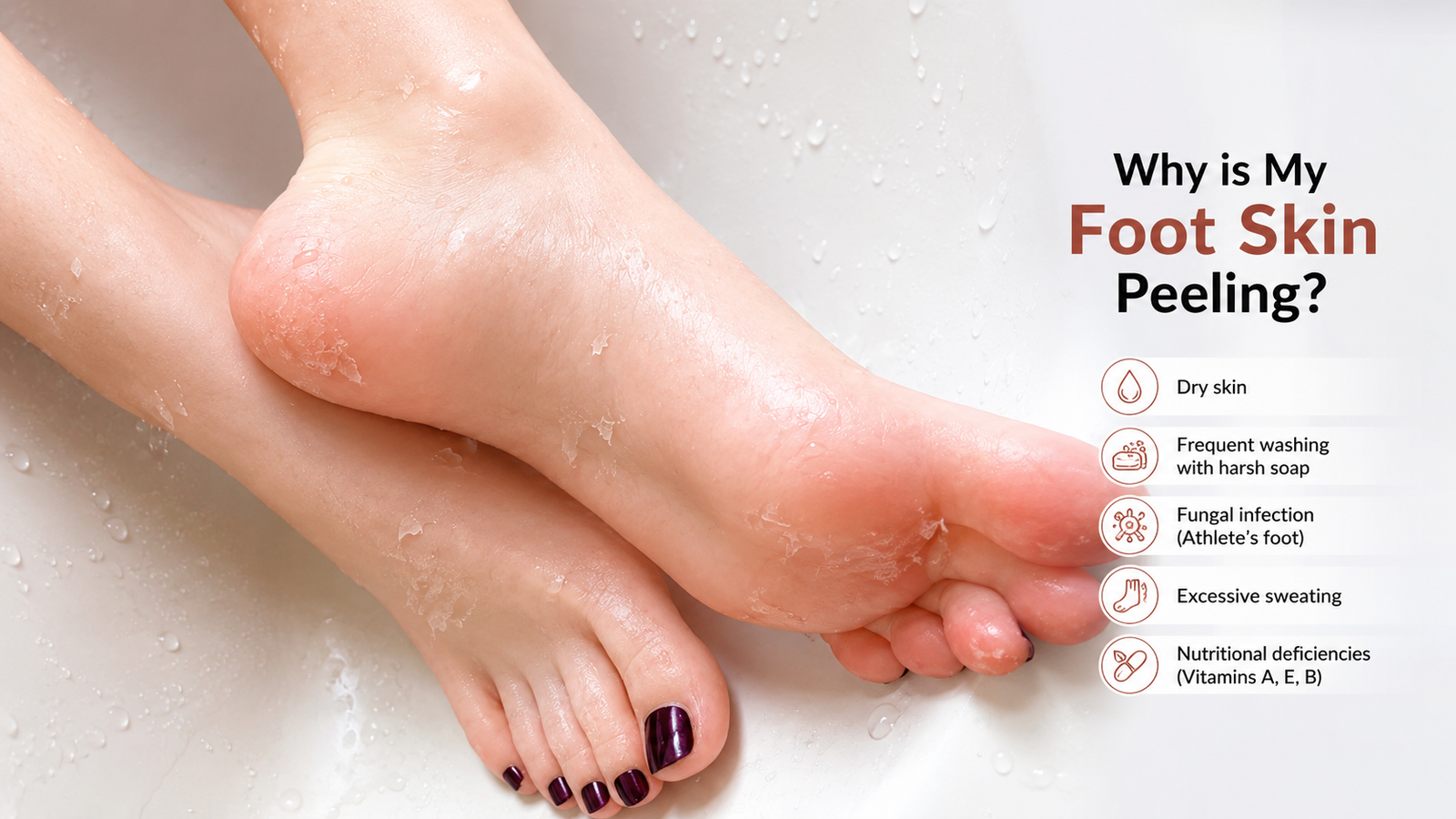
Have you recently noticed flaky, cracked, or peeling skin on your feet and wondered, why is my foot skin peeling? This is a very common concern that many people experience at different stages of life. Sometimes foot peeling is caused by simple dryness, while in other cases it may indicate an infection, skin condition, irritation, or damage to the protective skin barrier.
Your feet handle a lot of daily stress. They carry your body weight, experience constant friction from shoes, come into contact with sweat and moisture, and are exposed to different environments. Because of this continuous pressure, the skin on your feet can become dry, irritated, and damaged over time.
Although peeling feet may look unpleasant, the good news is that most causes can be treated effectively once you understand the reason behind them. Finding the real cause is the first step toward restoring soft, healthy, and comfortable feet.
In this detailed guide, we will explain why is my foot skin peeling, the most common causes, symptoms to look for, treatment options, and simple prevention methods to keep your feet healthy.
Quick Answer: Why Is My Foot Skin Peeling?
If you are asking why is my foot skin peeling, there can be several possible explanations.
The skin on your feet naturally sheds dead cells as part of the renewal process. However, when the skin becomes excessively dry, irritated, infected, or inflamed, this process becomes more noticeable and causes visible peeling.
The most common reasons include:
- Dry skin
- Athlete’s foot (fungal infection)
- Eczema
- Psoriasis
- Excessive sweating
- Contact dermatitis
- Sun damage
- Friction from footwear
- Allergic reactions
- Diabetes-related skin changes
- Natural skin renewal process
The location and appearance of peeling can provide important clues.
For example:
- Peeling between toes is often linked to fungal infections.
- Cracked heels usually indicate dryness or damaged skin.
- Large sheets of peeling skin may happen after irritation or sunburn.
- Repeated peeling may suggest an ongoing skin condition.
Understanding why is my foot skin peeling helps you choose the correct solution instead of treating the problem randomly.
Understanding Your Foot Skin Barrier
Before learning the causes of peeling feet, it is important to understand how your foot skin works.
The skin on your feet is naturally thicker than many other areas of your body because it needs extra protection from pressure and friction.
Your feet use the skin barrier to protect against:
- Daily walking pressure
- Shoe friction
- Dirt and bacteria
- Fungal organisms
- Chemicals
- Environmental changes
- Moisture loss
The outer layer of skin contains natural oils and proteins that help maintain moisture. When this protective barrier becomes weak, water escapes more easily, causing dryness and irritation.
As the skin becomes damaged, dead cells start separating from the surface, leading to visible peeling.
This explains why many people suddenly notice peeling and begin searching, why is my foot skin peeling even though I take care of my feet?
Common Symptoms That Come With Peeling Feet
Peeling skin on your feet may appear alone, or it may occur with other symptoms depending on the cause.
Common signs include:
- Dry and rough skin
- White flakes
- Cracked heels
- Red patches
- Itching
- Burning sensation
- Painful skin cracks
- Blisters
- Thickened skin
- Unpleasant foot odor
- Peeling between toes
- Tender areas while walking
Some people experience mild peeling that disappears quickly, while others develop repeated peeling that continues for weeks or months.
The additional symptoms often help identify why is my foot skin peeling and what type of treatment may work best.
1. Dry Skin: The Most Common Reason Why Is My Foot Skin Peeling
The most common answer to why is my foot skin peeling is simple dryness.
Unlike other areas of your body, the bottom of your feet contains fewer oil glands. This means your feet cannot naturally produce enough oil to keep the skin soft and hydrated.
When moisture levels drop, the skin becomes:
- Rough
- Tight
- Flaky
- Cracked
- Easily irritated
Over time, these damaged skin cells begin peeling away.
Causes of Dry Peeling Feet
Several everyday factors can make foot dryness worse:
Hot Showers
Very hot water removes natural oils from your skin, making your feet drier.
Cold Weather
Cold temperatures and low humidity reduce moisture levels in the skin.
Walking Barefoot
Walking without protection exposes your feet to rough surfaces and environmental damage.
Wearing Open Shoes
Sandals and slippers can expose feet to air, dust, and friction.
Lack of Moisturizer
Without regular moisturizing, dry skin can become rough and start peeling.
Aging
As people get older, the skin produces less natural oil, increasing dryness.
Dehydration
Not drinking enough water may contribute to dry-looking skin.
Signs Your Peeling Feet Are Caused by Dry Skin
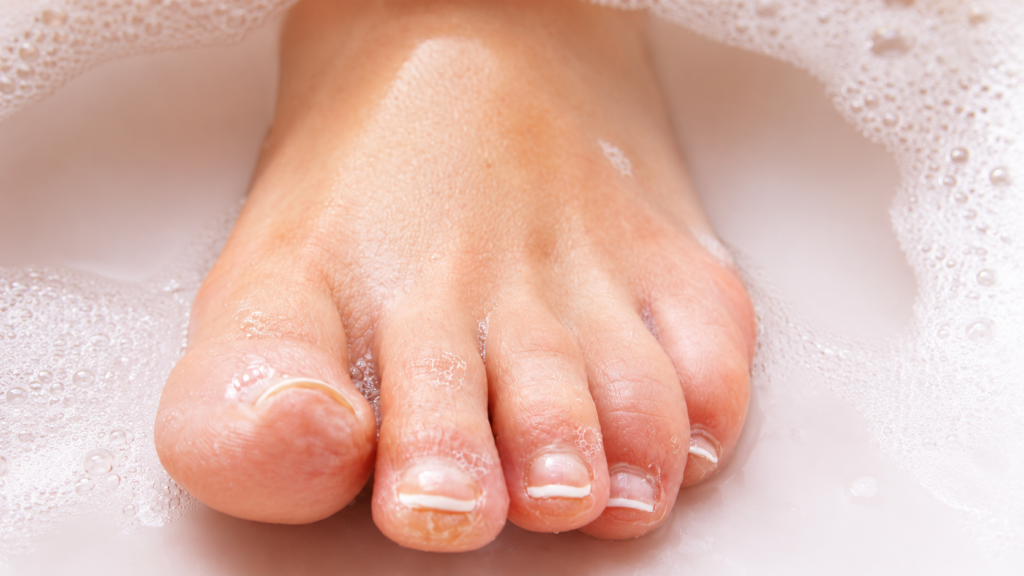
Dry skin usually causes:
- Fine white flakes
- Rough texture
- Tight feeling after washing
- Mild itching
- Cracked heels
- Ashy appearance
- Peeling around the sole
Unlike infections, dry skin usually does not cause strong itching, odor, or redness.
How to Treat Dry Peeling Feet
If dry skin is the reason why is my foot skin peeling, improving your skincare routine can make a big difference.
Moisturize Daily
Apply a thick foot cream every day, especially after bathing.
Look for ingredients such as:
- Urea
- Ceramides
- Lactic acid
- Shea butter
- Glycerin
These ingredients help repair the skin barrier and lock in moisture.
Moisturize Before Bed
Nighttime is one of the best opportunities to heal dry feet.
A simple routine:
- Wash your feet gently.
- Dry them completely.
- Apply a thick moisturizer.
- Wear cotton socks.
This allows the cream to work while you sleep.
Avoid Very Hot Water
Use warm water instead of hot water because extreme heat can remove protective oils.
Choose Gentle Products
Avoid harsh soaps and products with strong fragrances because they may increase irritation.
Wear Comfortable Footwear
Shoes that reduce pressure and friction allow damaged skin to recover faster.
With consistent care, many cases of dry peeling feet improve within a few weeks.
2. Athlete’s Foot: A Common Answer to Why Is My Foot Skin Peeling
Another major reason people search why is my foot skin peeling is athlete’s foot.
Athlete’s foot is a fungal infection that affects the skin of the feet. It commonly develops in warm, moist environments where fungi can grow easily.
Common places where fungus spreads include:
- Public showers
- Swimming pools
- Locker rooms
- Gym floors
- Sweaty shoes
The infection often starts between the toes but can spread across the soles and sides of the feet.
Symptoms of Athlete’s Foot
Unlike ordinary dry skin, athlete’s foot often causes:
- Strong itching
- Burning feeling
- Redness
- Peeling between toes
- White soggy skin
- Cracks
- Foot odor
- Small blisters
Many people notice peeling especially between the fourth and fifth toes.
Why Does Athlete’s Foot Cause Peeling?
Fungal infections attack the outer layer of the skin.
As the fungus grows, it damages the protective barrier and causes inflammation. The skin responds by shedding damaged cells, creating:
- Scaling
- Peeling
- Cracking
- Irritation
This is why fungal infections are a frequent reason behind why is my foot skin peeling.
How to Treat Athlete’s Foot
Treatment usually focuses on removing the fungus and keeping feet dry.
Helpful steps include:
- Using antifungal creams
- Applying antifungal powders
- Changing socks regularly
- Drying feet completely after washing
- Wearing breathable shoes
- Avoiding walking barefoot in public areas
If peeling continues despite treatment, medical advice may be needed.
3. Eczema Can Cause Peeling Foot Skin
Another possible reason behind why is my foot skin peeling is eczema.
Eczema is an inflammatory skin condition that affects the skin barrier. When the barrier becomes weak, the skin loses moisture and becomes easily irritated.
Although eczema is common on areas like hands and elbows, it can also affect the feet.
Symptoms of Foot Eczema
Foot eczema may cause:
- Dry patches
- Redness
- Severe itching
- Burning
- Cracks
- Small blisters
- Peeling skin
Eczema symptoms often come and go in flare-ups.
Common Triggers of Foot Eczema
Foot eczema may become worse because of:
- Stress
- Sweat
- Dry weather
- Fragranced products
- Allergens
- Frequent washing
- Certain fabrics
Managing Foot Eczema
Helpful care includes:
- Moisturizing regularly
- Avoiding scented products
- Wearing breathable shoes
- Keeping feet dry
- Using dermatologist-recommended treatments
Because eczema is related to inflammation, simply moisturizing may not always solve the problem completely.
Psoriasis Can Be a Reason Why Is My Foot Skin Peeling
One possible answer to why is my foot skin peeling is psoriasis. Psoriasis is a long-term skin condition that affects the way your skin renews itself.
Normally, your body creates new skin cells and removes old ones slowly. But with psoriasis, the immune system sends signals that make skin cells grow much faster than usual. Because the skin does not have enough time to naturally shed, thick layers of dry skin build up on the surface.
When psoriasis affects the feet, it can create uncomfortable symptoms that look similar to severe dryness.
Common signs of foot psoriasis include:
- Thick and rough patches of skin
- Dry white or silver-colored flakes
- Red areas on the feet
- Cracked heels
- Pain while walking
- Burning or sensitivity
- Repeated peeling
Many people with psoriasis notice that their foot peeling improves for some time and then returns again. This happens because psoriasis is related to inflammation inside the skin, not just a lack of moisture.
If you are thinking, why is my foot skin peeling even after applying lotion, psoriasis or another inflammatory condition could be the reason.
Treatment for psoriasis usually focuses on calming inflammation and protecting the skin barrier. Helpful steps may include using thick moisturizers, avoiding harsh products, keeping the skin hydrated, and following treatments recommended by a healthcare professional.
Excessive Sweating Can Cause Peeling Feet
Another common reason behind why is my foot skin peeling is too much sweating.
Feet naturally produce sweat because they contain many sweat glands. Sweating itself is not harmful, but when your feet remain wet for long periods, it can weaken the skin.
Moist skin becomes softer and more sensitive. This makes it easier for the outer layer of skin to break down and peel.
Excessive sweating can also create the perfect environment for bacteria and fungi to grow.
Signs that sweating may be causing your foot peeling include:
- Feet that are always damp
- Wet socks throughout the day
- White, soft skin between toes
- Strong foot odor
- Increased irritation
- Frequent peeling
People who wear closed shoes for many hours, exercise regularly, or live in hot and humid weather may experience this problem more often.
To reduce sweating-related peeling:
- Change socks regularly
- Choose breathable shoes
- Allow shoes to dry completely
- Avoid wearing the same shoes every day
- Keep feet clean and dry
- Use moisture-control products if needed
Keeping your feet dry is one of the simplest ways to prevent many causes of why is my foot skin peeling.
Contact Dermatitis May Be Behind Your Peeling Skin
Sometimes the answer to why is my foot skin peeling is an allergic reaction or irritation caused by something that touches your feet.
This condition is called contact dermatitis. It happens when your skin reacts negatively to a specific substance.
Your feet may become irritated by:
- New shoes
- Shoe glue or materials
- Synthetic socks
- Laundry detergent
- Foot sprays
- Perfumes
- Certain creams
When your skin does not tolerate a product, it can become inflamed. After inflammation develops, dryness and peeling may follow.
Symptoms of contact dermatitis include:
- Redness
- Itching
- Burning
- Swelling
- Dry patches
- Small blisters
- Peeling skin
A helpful way to identify the problem is to think about any recent changes. Did you buy new shoes? Did you start using a different detergent? Did you apply a new foot product?
Removing the irritating product is usually the first step.
You can also help your skin recover by:
- Using gentle moisturizers
- Wearing comfortable footwear
- Choosing cotton socks
- Avoiding scented products
Sunburn Can Also Explain Why Is My Foot Skin Peeling
Many people protect their face and arms from the sun but forget that their feet can also be affected.
If you spend time outdoors wearing sandals, slippers, or open shoes, your feet can receive direct sun exposure. A sunburn damages the top layer of skin, and after a few days, the damaged skin starts peeling.
This is a natural healing process because your body removes damaged skin cells and replaces them with healthier ones.
Signs of sunburn on feet include:
- Red skin
- Warm feeling
- Pain or sensitivity
- Dryness
- Peeling after several days
If you are searching why is my foot skin peeling after being outside, sun exposure may be the reason.
To care for sunburned feet:
- Avoid more sun exposure
- Apply soothing moisturizers
- Use aloe vera for comfort
- Drink enough water
- Avoid pulling peeling skin
Let your skin heal naturally to prevent further irritation.
Shoe Friction and Pressure Can Damage Foot Skin
Your footwear has a major impact when understanding why is my foot skin peeling.
Shoes that do not fit properly can create repeated rubbing against your skin. Over time, this friction damages the protective layer and causes dryness, irritation, and peeling.
Common footwear-related causes include:
- Tight shoes
- Hard shoe materials
- Poor-quality footwear
- Long hours of standing
- Excessive walking
- Sports activities
Friction can also cause blisters. When these blisters heal, the damaged skin may peel away.
To protect your feet:
- Wear the correct shoe size
- Choose soft and breathable materials
- Avoid shoes that create pressure points
- Use comfortable socks
- Replace damaged footwear
Small changes in your footwear can make a big difference.
Diabetes-Related Skin Changes Can Cause Foot Peeling
For some people, why is my foot skin peeling may be related to diabetes.
Diabetes can affect different parts of the body, including the skin. Changes in blood circulation, nerve function, and moisture levels can make the feet more vulnerable to dryness and cracking.
People with diabetes may experience:
- Very dry skin
- Cracked heels
- Slow healing
- Increased risk of infections
- Peeling areas
Foot care is especially important for people with diabetes because small problems can sometimes become more serious.
Helpful diabetes foot care habits include:
- Checking your feet daily
- Keeping skin moisturized
- Wearing protective footwear
- Avoiding walking barefoot
- Treating cuts quickly
If peeling is severe or accompanied by wounds, swelling, or infection signs, medical advice should be taken.
Keratolysis Exfoliativa: A Less Common Cause of Peeling Feet
Another possible explanation for why is my foot skin peeling is a condition called keratolysis exfoliativa.
This condition causes the outer layer of skin to peel repeatedly. It often appears during hot weather or when the feet experience excessive moisture.
Common symptoms include:
- Small peeling areas
- Dry patches
- Repeated skin shedding
- Mild irritation
- Sensitive skin
Unlike athlete’s foot, keratolysis exfoliativa usually does not cause intense itching.
Managing this condition often involves:
- Keeping feet moisturized
- Avoiding harsh chemicals
- Reducing excessive sweating
- Protecting feet from irritation
Best Treatments for Peeling Feet
The right treatment depends on the reason behind why is my foot skin peeling.
If dryness is the cause, regular moisturizing may be enough. If the problem is caused by fungus, antifungal treatment may be required. Skin conditions like eczema and psoriasis may need special care.
Common treatment options include:
- Moisturizing creams
- Foot creams containing urea or ceramides
- Antifungal products
- Gentle exfoliation
- Prescription treatments when needed
Avoid aggressively removing peeling skin because this can create small injuries and increase the risk of infection.
Simple Foot Care Routine to Prevent Peeling
A consistent routine can help prevent many causes of why is my foot skin peeling.
During the day:
- Wash your feet gently
- Dry carefully between toes
- Wear clean socks
- Choose comfortable shoes
At night:
- Apply moisturizer
- Focus on heels and dry areas
- Massage your feet gently
- Wear cotton socks if needed
Taking a few minutes every day for foot care can keep your skin healthier.
When Should You See a Doctor?
Although many cases of peeling feet are harmless, some situations need professional attention.
Consider seeing a healthcare professional if:
- Peeling continues for a long time
- Your feet become painful
- Deep cracks develop
- There is swelling or redness
- You notice signs of infection
- Walking becomes uncomfortable
- You have diabetes
Finding the real cause of why is my foot skin peeling is the key to proper treatment.
Final Thoughts
If you keep asking yourself why is my foot skin peeling, remember that the cause can be different for every person.
Sometimes it is simply dry skin caused by weather or lack of moisture. Other times it may be related to fungal infections, eczema, psoriasis, sweating, allergies, or footwear problems.
The best approach is to understand your symptoms, identify the cause, and follow a consistent foot care routine.
With proper moisture, comfortable footwear, good hygiene, and early treatment when needed, you can restore smoother and healthier feet and reduce the chances of peeling returning.