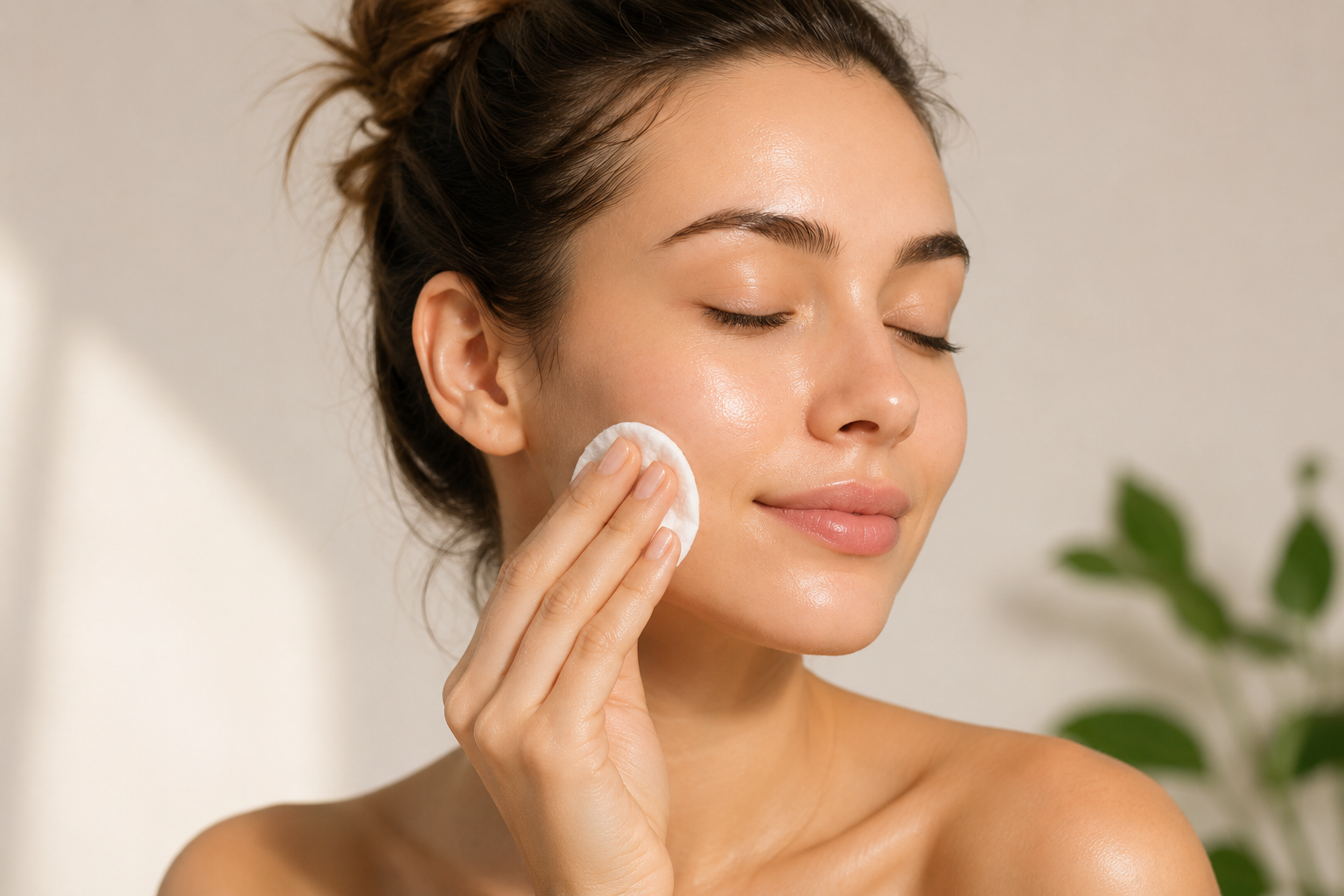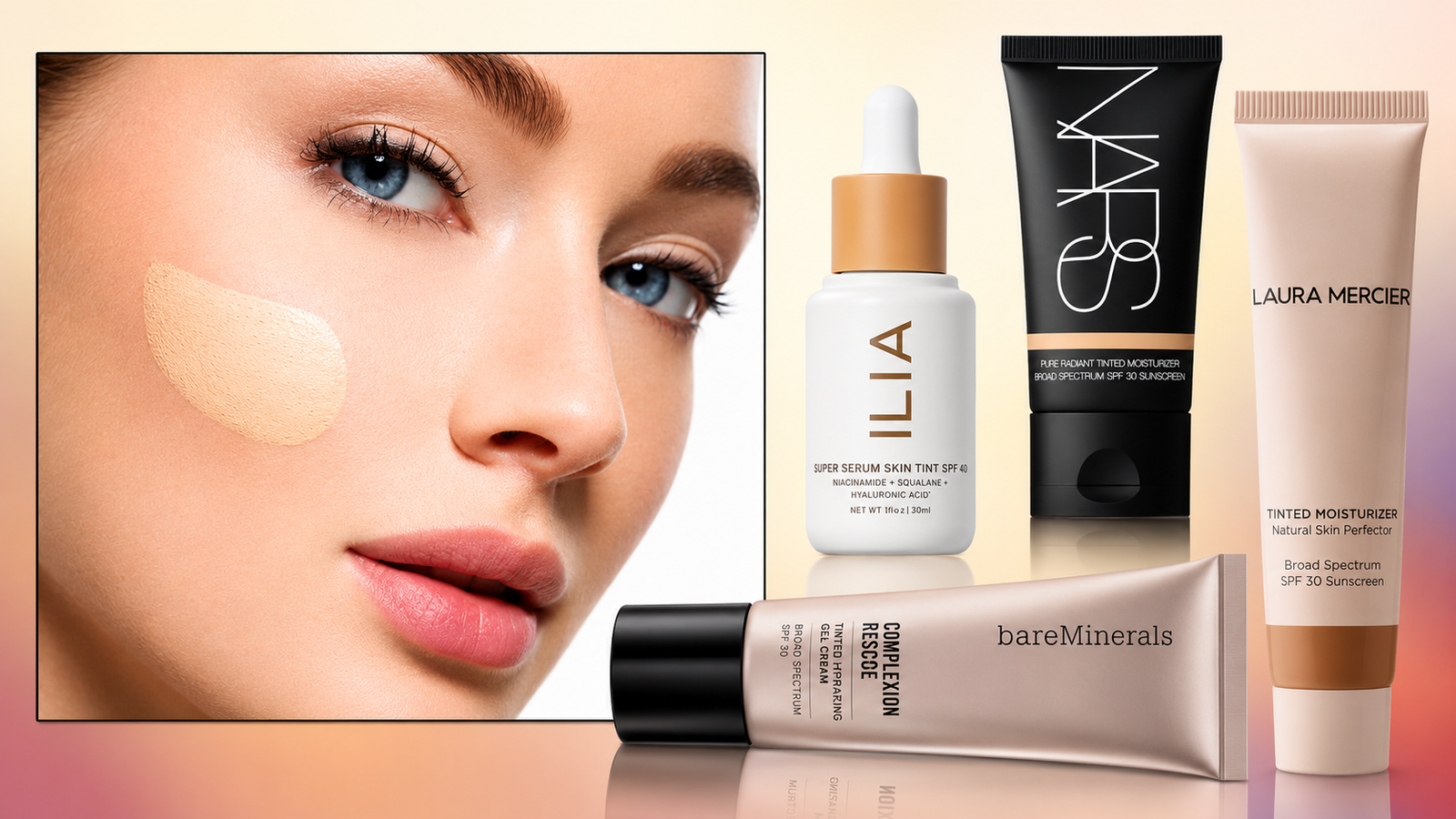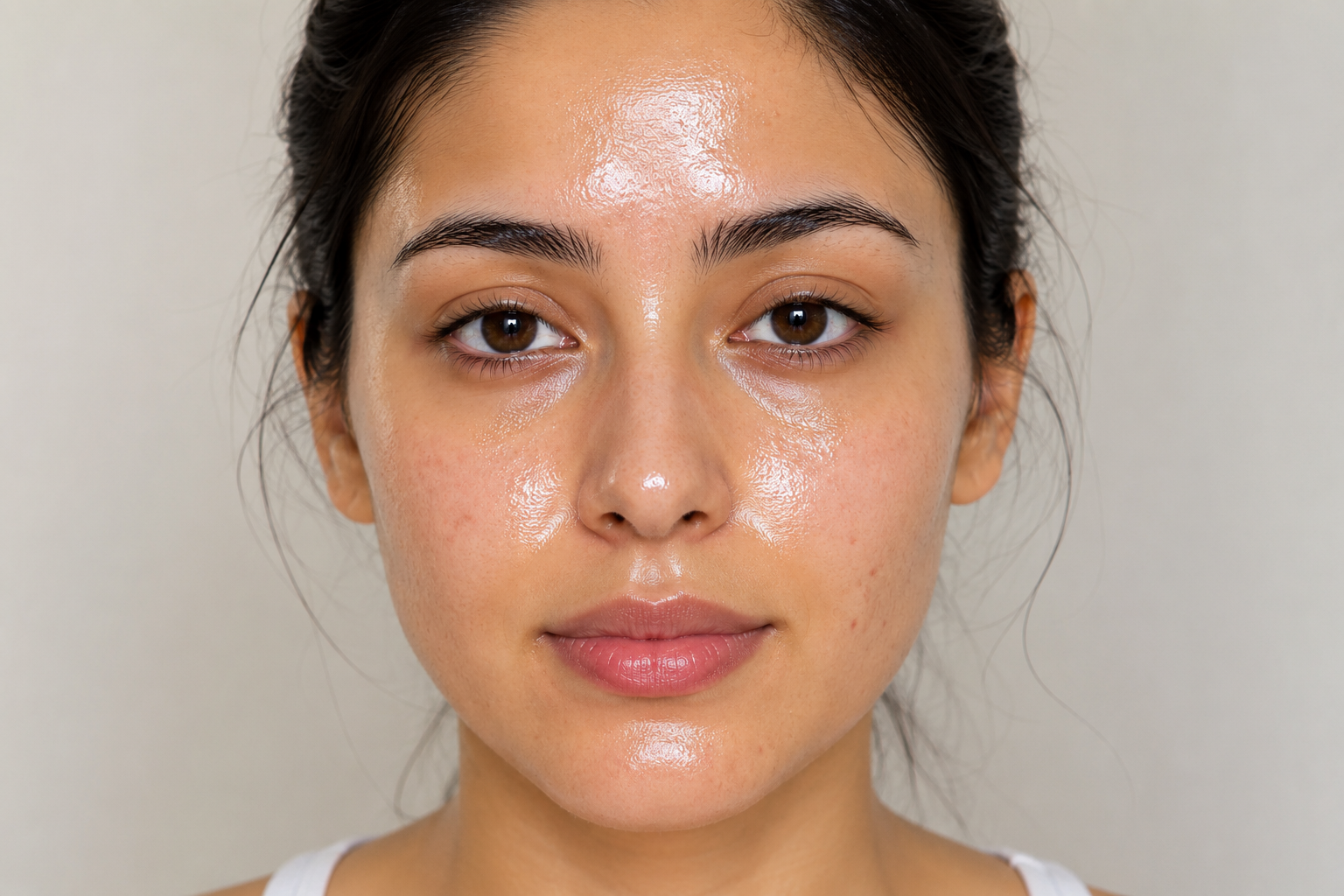
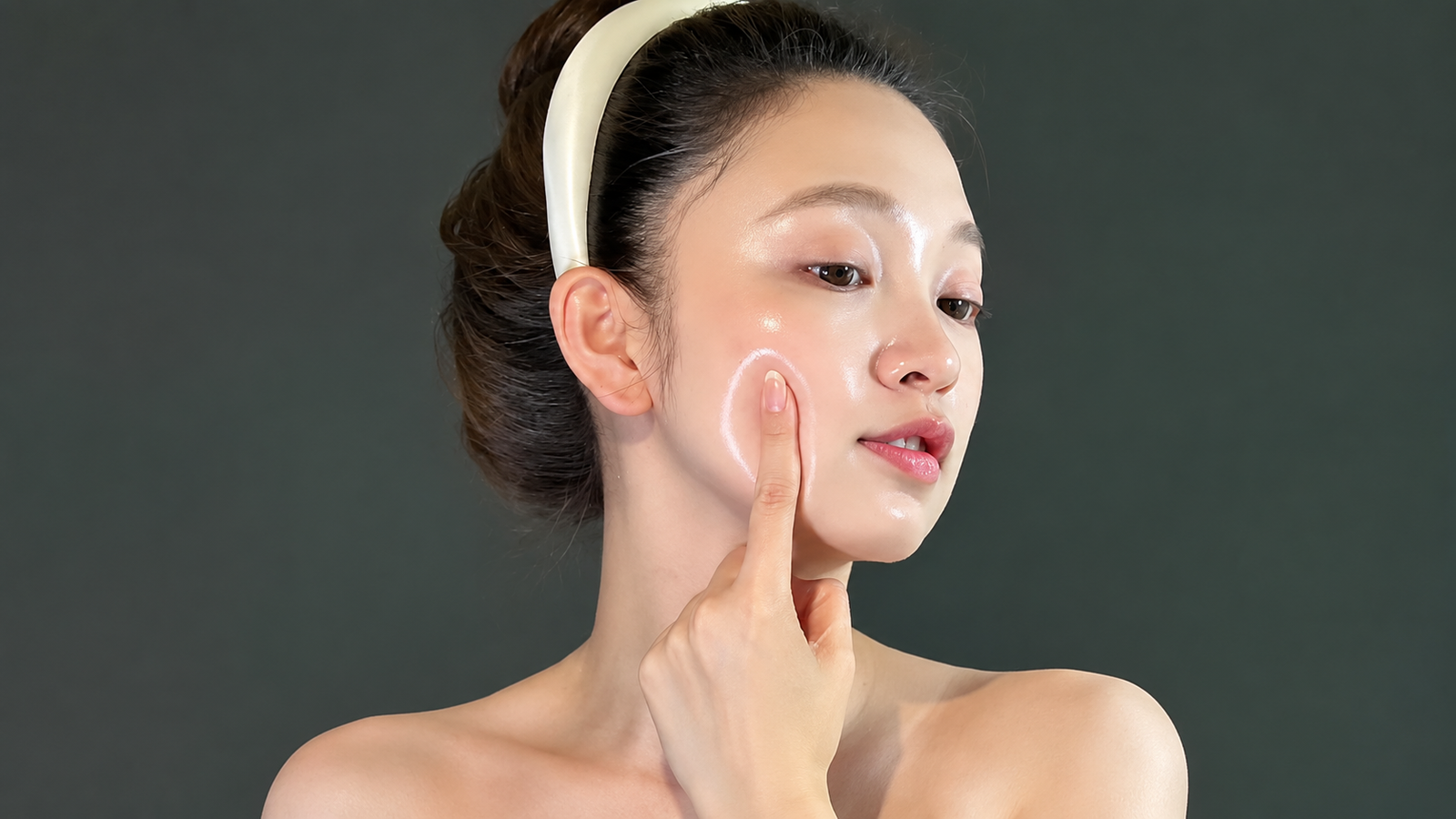
Have you ever wondered why some people have skin that looks smooth, radiant, and naturally luminous without relying on heavy makeup? The answer often lies in following a consistent glass skin routine. Over the last few years, the glass skin trend has become one of the most popular skincare goals worldwide. Originally inspired by Korean skincare, this approach focuses on creating healthy, hydrated skin that reflects light naturally.
Despite what many people believe, achieving glass skin isn’t about having perfect genetics or buying dozens of expensive products. Instead, it’s about building healthy skincare habits, understanding your skin’s needs, and following a routine that supports your skin barrier every day.
A successful glass skin routine combines gentle cleansing, proper hydration, smart exfoliation, nourishing ingredients, and daily sun protection. When these steps work together consistently, your skin becomes smoother, brighter, and healthier over time.
In this complete guide, you’ll learn everything you need to know about creating an effective glass skin routine, including the best skincare steps, essential ingredients, mistakes to avoid, and realistic expectations for long-term results.
What Is a Glass Skin Routine?
A glass skin routine is a skincare routine designed to improve your skin’s hydration, texture, and overall health until it appears naturally radiant and smooth. The goal isn’t to make your skin look artificial or overly shiny. Instead, it helps your complexion appear healthy enough to reflect light evenly, creating the signature glass-like glow.
Unlike makeup trends that temporarily create the illusion of perfect skin, a glass skin routine focuses on improving the skin itself. Healthy skin naturally looks brighter because it contains adequate moisture, maintains a strong protective barrier, and has a smoother surface.
Glass skin generally has several characteristics:
- Deep hydration
- Even skin tone
- Smooth texture
- Healthy glow
- Soft appearance
- Minimal visible dryness
- Balanced oil production
It’s important to understand that everyone has pores and natural skin texture. Following a glass skin routine will not erase your pores or make your skin flawless overnight. Instead, it helps improve your skin’s overall condition so it appears healthier and more radiant.
Why Is the Glass Skin Routine So Popular?
The popularity of the glass skin routine comes from its focus on skin health instead of covering imperfections. Rather than depending on foundation or filters, people are becoming more interested in naturally healthy skin.
A proper glass skin routine offers many long-term benefits:
- Supports the skin barrier
- Improves hydration levels
- Reduces dullness
- Creates a naturally youthful glow
- Makes makeup apply more smoothly
- Helps maintain healthier-looking skin
- Encourages consistent skincare habits
Many dermatologists also agree that hydrated skin functions better than dehydrated skin. When the skin barrier stays healthy, it is better able to retain moisture and defend itself against environmental stress.
Can Anyone Follow a Glass Skin Routine?
Absolutely.
One of the biggest misconceptions is that only people with naturally clear skin can achieve glass skin. In reality, almost every skin type can benefit from a proper glass skin routine.
Dry Skin
Dry skin usually responds very well because hydration becomes the main focus. Rich moisturizers, hydrating serums, and barrier-supporting ingredients help improve comfort and glow.
Oily Skin
People often think oily skin doesn’t need moisturizer. This is false. A balanced glass skin routine helps regulate oil production while maintaining proper hydration, often reducing excessive shine caused by dehydration.
Combination Skin
Combination skin benefits from lightweight hydration while treating oily and dry areas according to their individual needs.
Sensitive Skin
Sensitive skin requires gentle products without unnecessary fragrances or harsh exfoliants. A simple glass skin routine can strengthen the skin barrier and reduce irritation over time.
Acne-Prone Skin
Even acne-prone skin can achieve a healthy glow. The focus should remain on gentle cleansing, hydration, barrier repair, and non-comedogenic skincare products rather than aggressive treatments.
The Science Behind a Glass Skin Routine
Healthy skin contains a protective barrier made of natural lipids, proteins, and moisture. This barrier prevents excessive water loss while protecting against bacteria, pollution, and irritation.
When the barrier becomes damaged, the skin may appear:
- Rough
- Dry
- Red
- Dull
- Uneven
- Dehydrated
A proper glass skin routine works by strengthening this protective barrier.
Hydrating ingredients draw water into the skin.
Moisturizers lock that hydration inside.
Gentle cleansing prevents unnecessary irritation.
Sunscreen protects against UV damage.
Together, these steps create healthier skin that naturally reflects light more evenly.
Benefits of Following a Glass Skin Routine
A consistent glass skin routine offers far more than temporary glow.
Improves Skin Hydration
Hydrated skin feels softer, appears smoother, and looks naturally brighter throughout the day.
Supports Skin Barrier Health
A stronger barrier helps reduce moisture loss while protecting the skin from pollution and environmental damage.
Creates a More Even Complexion
Healthy hydration often improves the appearance of uneven tone caused by dryness.
Helps Reduce Rough Texture
Gentle exfoliation combined with hydration gradually smooths the skin’s surface.
Makes Makeup Look Better
Well-moisturized skin allows foundation and concealer to blend more evenly without clinging to dry patches.
Promotes Long-Term Skin Health
Instead of chasing temporary beauty trends, a glass skin routine builds habits that support healthier skin for years.
Essential Ingredients for a Glass Skin Routine
Choosing the right ingredients matters far more than buying expensive skincare.
Hyaluronic Acid
One of the most popular ingredients in any glass skin routine, hyaluronic acid attracts moisture and helps keep skin hydrated throughout the day.
Benefits:
- Deep hydration
- Plumper appearance
- Smoother texture
- Improved elasticity
Niacinamide
Niacinamide supports barrier repair while improving uneven skin tone and balancing oil production.
Benefits:
- Brighter complexion
- Smaller-looking pores
- Better barrier function
- Reduced redness
Vitamin C
Vitamin C is an antioxidant that helps brighten dull skin and supports a more even complexion.
Benefits:
- Improved radiance
- Protection from environmental stress
- Brighter skin tone
- Healthier-looking complexion
Ceramides
Ceramides naturally occur in the skin barrier and help prevent moisture loss.
Benefits:
- Barrier repair
- Long-lasting hydration
- Reduced dryness
- Healthier skin texture
Glycerin
Glycerin attracts moisture into the skin and works well with other hydrating ingredients.
Benefits:
- Better hydration
- Soft skin
- Improved comfort
- Healthy glow
Panthenol
Also called Pro-Vitamin B5, panthenol helps calm irritated skin while supporting hydration.
Benefits:
- Soothes skin
- Supports healing
- Reduces dryness
- Strengthens barrier

Why Consistency Matters More Than Expensive Products
Many people think buying luxury skincare automatically creates glass skin.
That’s not true.
A simple glass skin routine performed every day is usually far more effective than using expensive products inconsistently.
Healthy skin changes gradually. Since skin naturally renews itself approximately every four weeks, improvements appear over time—not overnight.
Consistency allows:
- Better hydration
- Stronger skin barrier
- Smoother texture
- Healthier glow
- Long-lasting results
Instead of changing products every week, follow your glass skin routine consistently for several weeks before expecting significant improvements.
Step 1: Start Your Glass Skin Routine with Gentle Cleansing
Every effective glass skin routine begins with clean skin. Throughout the day, your face collects oil, sweat, sunscreen, pollution, bacteria, and dead skin cells. If these impurities remain on the skin, they can clog pores, dull your complexion, and prevent skincare products from absorbing properly.
Choose a gentle cleanser that removes dirt without stripping away your skin’s natural moisture. Cleansing should leave your skin feeling fresh—not tight or dry.
Morning Cleansing
Morning cleansing removes overnight oil buildup and prepares your skin for daytime skincare.
If your skin is dry or sensitive, rinsing with lukewarm water followed by a mild cleanser is usually enough.
Evening Cleansing
Evening cleansing is the most important part of any glass skin routine because it removes:
- Makeup
- Sunscreen
- Excess oil
- Dust
- Pollution
- Sweat
Sleeping with these impurities on your skin can increase congestion and reduce your natural glow.
Should You Double Cleanse?
Double cleansing is one of the most popular Korean skincare techniques.
It involves:
- Oil-based cleanser
- Water-based gentle cleanser
The first cleanser dissolves sunscreen, makeup, and excess sebum, while the second cleanser removes remaining dirt and sweat.
If you wear makeup or sunscreen daily, double cleansing can help your glass skin routine work more effectively.
Step 2: Exfoliate for a Smoother, Brighter Complexion
One reason skin looks dull is the buildup of dead skin cells on the surface. Exfoliation removes these cells, revealing fresher and smoother skin underneath.
Regular exfoliation is an important part of a glass skin routine, but it should always be done gently.
Benefits of Gentle Exfoliation
Proper exfoliation can help:
- Improve skin texture
- Brighten dull skin
- Reduce clogged pores
- Enhance product absorption
- Promote healthy skin renewal
Choose the Right Type of Exfoliation
Chemical Exfoliants
These dissolve dead skin cells without scrubbing.
Popular options include:
- Lactic Acid
- Glycolic Acid
- Salicylic Acid
Physical Exfoliants
These use tiny particles to remove dead skin manually.
If you choose a scrub, avoid harsh formulas with large, rough particles that may damage the skin barrier.
How Often Should You Exfoliate?
Most skin types benefit from exfoliating only 1–2 times per week.
Over-exfoliating can lead to:
- Dryness
- Redness
- Sensitivity
- Barrier damage
- Increased oil production
Remember, healthy skin is hydrated skin—not over-exfoliated skin.
Step 3: Apply a Hydrating Toner
A toner is often overlooked, yet it’s one of the easiest ways to increase hydration in your glass skin routine.
Modern toners are very different from the alcohol-heavy formulas of the past. Today’s hydrating toners help replenish moisture while preparing your skin for serums.
Look for ingredients such as:
- Hyaluronic Acid
- Glycerin
- Panthenol
- Centella Asiatica
- Rice Extract
A hydrating toner creates the perfect base for the rest of your skincare products.
Step 4: Treat Your Skin with a Targeted Serum
Serums contain concentrated ingredients designed to target specific skin concerns. Because they have lightweight formulas, they penetrate the skin more effectively than heavier creams.
A glass skin routine usually includes one or two hydrating serums rather than layering multiple unnecessary products.

Best Serum Ingredients
Hyaluronic Acid
Provides intense hydration and helps the skin appear plump.
Niacinamide
Supports the skin barrier, improves texture, and helps balance oil production.
Vitamin C
Brightens the complexion while helping improve uneven skin tone.
Peptides
Support firmer, healthier-looking skin over time.
Apply your serum while your skin is still slightly damp after toner for better hydration.
Step 5: Lock in Moisture with a Nourishing Moisturiser
Hydration without moisturiser is incomplete.
While hydrating products add water to your skin, moisturisers help prevent that water from evaporating.
This makes moisturiser one of the most important steps in every glass skin routine.
A quality moisturiser helps:
- Strengthen the skin barrier
- Improve elasticity
- Prevent dehydration
- Smooth rough texture
- Support long-lasting hydration
Choose a formula suitable for your skin type rather than simply selecting the richest cream available.
Step 6: Never Skip Sunscreen
No glass skin routine is complete without daily sun protection.
Ultraviolet (UV) rays contribute to:
- Premature ageing
- Dark spots
- Uneven pigmentation
- Collagen breakdown
- Dullness
Even if you stay indoors most of the day, incidental UV exposure through windows can still affect your skin over time.
Use a broad-spectrum sunscreen with SPF 30 or higher every morning as the final step of your skincare routine.
Consistent sunscreen use protects the progress you’ve made with the rest of your routine.
Morning Glass Skin Routine
A simple morning glass skin routine looks like this:
- Gentle cleanser
- Hydrating toner
- Serum
- Moisturiser
- Sunscreen
This routine focuses on hydration and protection throughout the day.
Evening Glass Skin Routine
Your nighttime glass skin routine is when your skin repairs itself naturally.
A typical evening routine includes:
- Oil cleanser (if needed)
- Water-based cleanser
- Hydrating toner
- Treatment serum
- Moisturiser
Nighttime is also the best time to use active ingredients because your skin isn’t exposed to sunlight.
Weekly Treatments That Support a Glass Skin Routine
Daily skincare forms the foundation, but weekly treatments can further enhance your results.
Hydrating Sheet Masks
Using a hydrating sheet mask once or twice a week provides an extra boost of moisture and leaves the skin looking refreshed.
Overnight Sleeping Masks
Sleeping masks create a protective layer that helps lock in hydration while you sleep, allowing you to wake up with softer, more radiant skin.
Gentle Exfoliating Treatments
Weekly exfoliation helps maintain smooth texture without disrupting your skin barrier.
Remember, weekly treatments should support your routine—not replace it.
Healthy Lifestyle Habits That Improve Your Glow
A glass skin routine works best when combined with healthy daily habits.
Stay Hydrated
Drinking enough water supports your body’s natural functions and helps maintain healthy-looking skin.
Eat Nutrient-Rich Foods
Include foods rich in:
- Vitamin C
- Vitamin E
- Omega-3 fatty acids
- Antioxidants
- Colourful fruits and vegetables
These nutrients help support overall skin health.
Prioritise Quality Sleep
Your skin repairs itself while you sleep. Aim for 7–9 hours of quality sleep each night to support recovery and maintain a healthy complexion.
Manage Stress
Long-term stress can affect your skin by disrupting its balance. Activities such as walking, stretching, mindfulness, or regular exercise can contribute to overall wellbeing, which may also benefit your skin.
Avoid Smoking
Smoking accelerates visible signs of skin ageing and can reduce your skin’s natural radiance.
How Long Does It Take to See Results?
One of the most common questions about a glass skin routine is how quickly it works.
While you may notice better hydration within the first 1–2 weeks, more noticeable improvements in texture, clarity, and radiance often take 6–12 weeks of consistent care.
The key is patience. Healthy skin develops gradually, and long-lasting results come from maintaining a routine rather than looking for instant fixes.
How to Customize a Glass Skin Routine for Your Skin Type
No two people have identical skin, which means the perfect glass skin routine should always be adjusted according to your skin type. Using products that match your skin’s needs can improve results while reducing the risk of irritation.
Glass Skin Routine for Dry Skin
Dry skin often lacks both moisture and natural oils, making it more likely to feel rough, flaky, or tight. The primary goal should be restoring hydration and strengthening the skin barrier.
Start with a gentle cream cleanser that won’t strip away natural oils. Follow with a hydrating toner, a serum containing hyaluronic acid, and a moisturiser enriched with ceramides or glycerin. During colder months, adding a nourishing overnight sleeping mask once or twice a week can help maintain moisture levels.
Avoid using harsh scrubs or cleansing your face with hot water, as both can increase dryness and make your skin appear dull instead of radiant.

Glass Skin Routine for Oily Skin
Many people believe oily skin doesn’t require hydration, but this is one of the biggest skincare myths.
When oily skin becomes dehydrated, it may actually produce more oil to compensate. A balanced glass skin routine should focus on lightweight hydration rather than heavy creams.
Use a gentle foaming cleanser, a lightweight hydrating toner, niacinamide serum, gel-based moisturiser, and a non-greasy sunscreen every morning.
Exfoliating once or twice each week with a gentle BHA can also help reduce clogged pores while keeping the skin smooth.
Glass Skin Routine for Combination Skin
Combination skin requires balance because different areas of the face have different needs.
The T-zone may produce excess oil, while the cheeks remain dry.
A lightweight hydrating routine usually works best. If certain areas become excessively dry, apply an additional layer of moisturiser only where needed instead of using heavy products across your entire face.
Glass Skin Routine for Sensitive Skin
Sensitive skin benefits from simplicity.
Choose fragrance-free skincare with soothing ingredients such as panthenol, centella asiatica, aloe vera, and ceramides.
Introducing too many active ingredients at once may cause irritation and slow your progress.
When trying a new product, perform a patch test before applying it to your entire face.
Glass Skin Routine for Acne-Prone Skin
Having acne doesn’t mean you cannot achieve naturally glowing skin.
An effective glass skin routine for acne-prone skin focuses on controlling excess oil while protecting the skin barrier.
Choose non-comedogenic skincare products, avoid picking blemishes, use gentle exfoliation, and maintain proper hydration. Healthy, hydrated skin often recovers more efficiently than dehydrated skin.
Daily Habits That Support a Glass Skin Routine
Skincare products are only one part of achieving healthy skin. Your daily habits also influence your complexion.
Drink Enough Water
Hydration starts from within.
While drinking water alone won’t instantly create glowing skin, staying properly hydrated supports your body’s normal functions and helps maintain healthy-looking skin.
Eat a Nutrient-Rich Diet
Your skin reflects your overall health.
Include foods rich in antioxidants, vitamins, healthy fats, and minerals such as:
- Citrus fruits
- Berries
- Leafy green vegetables
- Avocados
- Salmon
- Nuts
- Seeds
A balanced diet provides nutrients that help support healthy skin.
Get Quality Sleep
Night-time is when your skin naturally repairs itself.
Sleeping for seven to nine hours each night gives your skin time to recover from daily environmental stress.
Poor sleep may contribute to dull-looking skin and tired eyes.
Exercise Regularly
Regular physical activity improves circulation, helping oxygen and nutrients reach skin cells more effectively.
Sweating during exercise can also help remove impurities from the skin, provided you cleanse your face afterwards.
Manage Stress
Long-term stress may affect the appearance of your skin.
Activities such as walking, meditation, yoga, deep breathing, or spending time outdoors can support overall wellbeing, which may also benefit your skin.
Common Mistakes That Can Prevent Glass Skin
Even a carefully planned glass skin routine may not deliver the desired results if certain mistakes become part of your daily skincare habits.
One of the biggest mistakes is washing your face too often. Cleansing more than necessary can remove natural oils and weaken your skin barrier.
Another common mistake is over-exfoliating. While exfoliation improves texture, excessive exfoliation may leave your skin red, dry, and sensitive.
Many people also skip moisturiser because they believe their skin already produces enough oil. In reality, every skin type needs hydration.
Ignoring sunscreen is another major reason why many people struggle to maintain glowing skin. Sun exposure contributes to pigmentation, rough texture, and premature ageing.
Frequently switching skincare products can also slow your progress. Give new products several weeks to work before deciding whether they’re suitable for your skin.
Finally, avoid comparing your skin with heavily edited photos on social media. Filters and professional lighting often create unrealistic expectations.
How Long Does It Take to See Results?
One of the most common questions about following a glass skin routine is how quickly results appear.
The answer depends on several factors, including your skin type, existing skin concerns, age, lifestyle, and consistency.
Some people notice better hydration and softness within the first two weeks.
Visible improvements in skin texture and brightness often appear after four to eight weeks.
More noticeable improvements in overall skin health usually develop after two to three months of consistent skincare.
Remember that healthy skin develops gradually. Consistency will always produce better results than constantly changing products.
Frequently Asked Questions
What is a glass skin routine?
A glass skin routine is a skincare routine designed to improve hydration, strengthen the skin barrier, smooth texture, and enhance your skin’s natural glow through consistent daily care.
Can beginners follow a glass skin routine?
Yes. Beginners can start with five essential steps: cleanser, toner, serum, moisturiser, and sunscreen. Once the skin adjusts, additional products can be introduced if needed.
Is a glass skin routine suitable for all skin types?
Yes. Dry, oily, combination, sensitive, and acne-prone skin can all benefit from a glass skin routine when products are chosen according to individual skin needs.
Do I need expensive skincare products?
No. Expensive products are not essential. The right ingredients, consistent application, and patience matter much more than price.
Can I achieve glass skin naturally?
Healthy lifestyle habits, proper hydration, balanced nutrition, quality sleep, stress management, and a consistent skincare routine all contribute to healthier, naturally glowing skin.
Should I follow a morning and night routine?
Yes. Morning skincare focuses on hydration and protection, while your evening routine supports cleansing, repair, and overnight recovery.
Final Thoughts
Achieving healthy, glowing skin isn’t about copying complicated skincare routines or purchasing every trending product. A well-planned glass skin routine is built on simple, science-backed habits that support your skin every day.
Gentle cleansing removes impurities without disrupting the skin barrier. Regular but moderate exfoliation keeps the surface smooth and bright. Hydrating toners, serums, and moisturisers help maintain moisture, while sunscreen protects your skin from damage that can lead to dullness and uneven tone.
Most importantly, remember that beautiful skin is healthy skin. Instead of striving for unrealistic perfection, focus on creating habits that nourish your skin consistently. Every small step—from drinking enough water to applying sunscreen each morning—contributes to stronger, smoother, and more radiant skin over time.
Conclusion
Following a consistent glass skin routine is one of the most effective ways to improve your skin’s overall health and natural radiance. While results won’t appear overnight, regular care can help strengthen the skin barrier, improve hydration, refine texture, and promote a brighter, more even-looking complexion.
Whether your skin is dry, oily, sensitive, combination, or acne-prone, the key is choosing products that suit your skin type and using them consistently. By focusing on gentle cleansing, smart exfoliation, deep hydration, moisturising, and daily sun protection, you can build a sustainable glass skin routine that supports healthy, glowing skin for the long term. With patience and the right approach, achieving naturally luminous skin becomes an attainable goal rather than just a passing beauty trend.