
Introduction
Ashy skin is a common skin concern that affects people of all ages and skin tones. It usually appears when the skin becomes excessively dry, causing it to look gray, dull, flaky, or powdery instead of healthy and radiant. Although ashy skin is more noticeable on medium to dark skin tones because of the color contrast, anyone can experience it.
If you’ve ever noticed your elbows, knees, hands, legs, or face looking grayish after a shower or during winter, you’re likely dealing with ashy skin. While it is usually harmless, ignoring ashy skin can lead to discomfort, itching, cracking, and even skin infections in severe cases.
The good news is that ashy skin is often preventable and treatable with the right skincare routine, proper hydration, and moisturizing ingredients that repair the skin barrier.
This complete guide explains everything you need to know about ashy skin, including its causes, symptoms, treatments, prevention tips, and the best skincare habits to restore soft, healthy-looking skin.
What Is Ashy Skin?
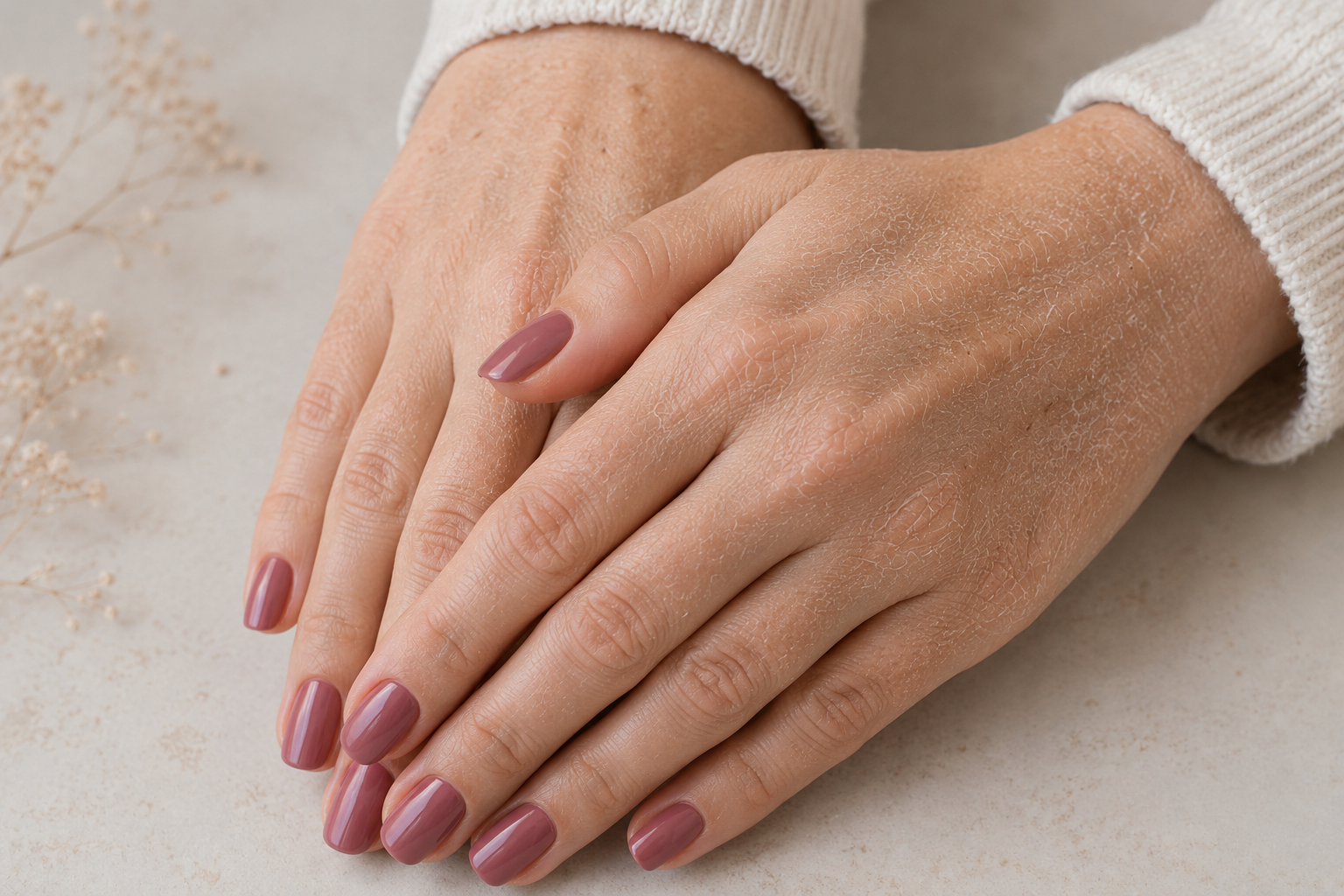
Ashy skin is a term used to describe skin that has become extremely dry and has developed a gray, white, or dull appearance. Instead of reflecting light evenly, dehydrated skin becomes rough and flaky, making it look lifeless.
The condition develops when the skin loses too much moisture and natural oil. As dead skin cells accumulate on the surface, they create the characteristic gray or “ashy” appearance.
Although ashy skin can affect any area of the body, it commonly appears on:
- Elbows
- Knees
- Hands
- Feet
- Legs
- Arms
- Face
- Ankles
Many people notice ashy skin during winter because cold air and indoor heating reduce moisture levels in both the environment and the skin.
What Does Ashy Skin Look Like?
Recognizing ashy skin is usually straightforward. The skin often looks dry, rough, and lacks its natural glow.
Common signs include:
- Gray or whitish appearance
- Dull-looking skin
- Dry, rough texture
- Fine cracks
- Flaky patches
- Peeling skin
- Tightness after washing
- Mild itching
- Small white lines when the skin stretches
- Powdery appearance
In darker skin tones, ashy skin often appears more noticeable because the dry surface creates a visible gray cast.
Ashy Skin vs Dry Skin
Many people wonder whether ashy skin and dry skin are the same thing.
The answer is that ashy skin is actually a visible sign of dry skin rather than a separate medical condition.
Dry skin happens when the skin loses moisture and natural oils. As the dryness becomes more severe, dead skin cells build up on the surface, creating the gray, chalky appearance known as ashy skin.
In simple words:
- Dry skin describes the condition.
- Ashy skin describes how dry skin looks.
This is why treating dryness usually improves ashy skin as well.
Symptoms of Ashy Skin
The symptoms of ashy skin vary depending on how dry the skin becomes.
Early symptoms include:
- Slight dryness
- Tight feeling after cleansing
- Reduced softness
- Dull appearance
As ashy skin becomes worse, symptoms may include:
- White or gray patches
- Rough texture
- Visible flaking
- Peeling skin
- Itchy areas
- Tiny cracks
- Burning sensation
- Skin sensitivity
In severe cases, untreated ashy skin may crack deeply enough to bleed, increasing the risk of bacterial infection.
What Causes Ashy Skin?
Many different factors can contribute to ashy skin. In most cases, more than one factor is responsible.
1. Dry Weather
Cold weather is one of the biggest causes of ashy skin.
Winter air contains very little humidity, making it difficult for the skin to hold onto moisture. Indoor heating systems further dry the air, allowing water to evaporate from the skin more quickly.
This combination often causes ashy skin to appear on the hands, legs, elbows, and face.
2. Hot Showers
Although hot showers feel relaxing, they remove the skin’s natural protective oils.
Without these oils, the skin barrier weakens, making ashy skin more likely to develop.
Dermatologists generally recommend using lukewarm water instead of very hot water.
3. Harsh Soaps and Cleansers
Many soaps contain strong detergents that strip away natural oils.
Using harsh cleansers repeatedly can damage the skin barrier and contribute to ashy skin, especially on the hands.
People who wash their hands frequently often experience this problem.
4. Low Humidity
Dry indoor environments reduce moisture in the air.
When humidity levels are low, water escapes from the skin faster, leading to dehydration and ashy skin.
Running a humidifier during winter can help reduce this problem.
5. Aging
As people grow older, their skin naturally produces less oil.
The skin also becomes thinner and loses moisture more easily.
Because of these natural changes, older adults are more likely to experience ashy skin than younger people.
6. Dehydration
Not drinking enough fluids can contribute to dry-looking skin.
Although moisturizers work on the outside, staying hydrated supports overall skin health from within.
7. Frequent Washing
Healthcare workers, cleaners, chefs, and people who wash their hands repeatedly are more likely to develop ashy skin because constant washing removes protective oils.
8. Skin Conditions
Certain medical conditions increase the likelihood of developing ashy skin, including:
- Eczema
- Psoriasis
- Contact dermatitis
- Ichthyosis
These conditions often require medical treatment in addition to daily moisturizing.
Who Is Most Likely to Get Ashy Skin?
Anyone can develop ashy skin, but some people have a higher risk.
You may be more likely to experience ashy skin if you:
- Live in a cold climate
- Have naturally dry skin
- Spend time in air-conditioned environments
- Use harsh soaps
- Take long hot showers
- Have eczema or psoriasis
- Are over the age of 50
- Wash your hands frequently
- Spend time in low-humidity environments
Understanding these risk factors can help you take preventive steps before ashy skin becomes severe.
Best Ingredients for Ashy Skin
Choosing the right skincare ingredients is one of the most effective ways to improve ashy skin. A good moisturizer does more than make your skin feel soft—it helps repair the skin barrier, lock in moisture, and reduce the gray, dull appearance caused by dryness.
Here are some of the best ingredients to look for if you struggle with ashy skin.
Ceramides
Ceramides are natural lipids found in the outer layer of your skin. They help maintain a healthy skin barrier and prevent moisture loss.
When your skin lacks ceramides, it becomes dry, rough, and more likely to develop ashy skin. Moisturizers containing ceramides can strengthen the skin barrier and improve hydration over time.
Glycerin
Glycerin is a powerful humectant, meaning it attracts water into the skin.
Regular use of glycerin-based moisturizers helps soften rough patches, reduce flaking, and improve the appearance of ashy skin.
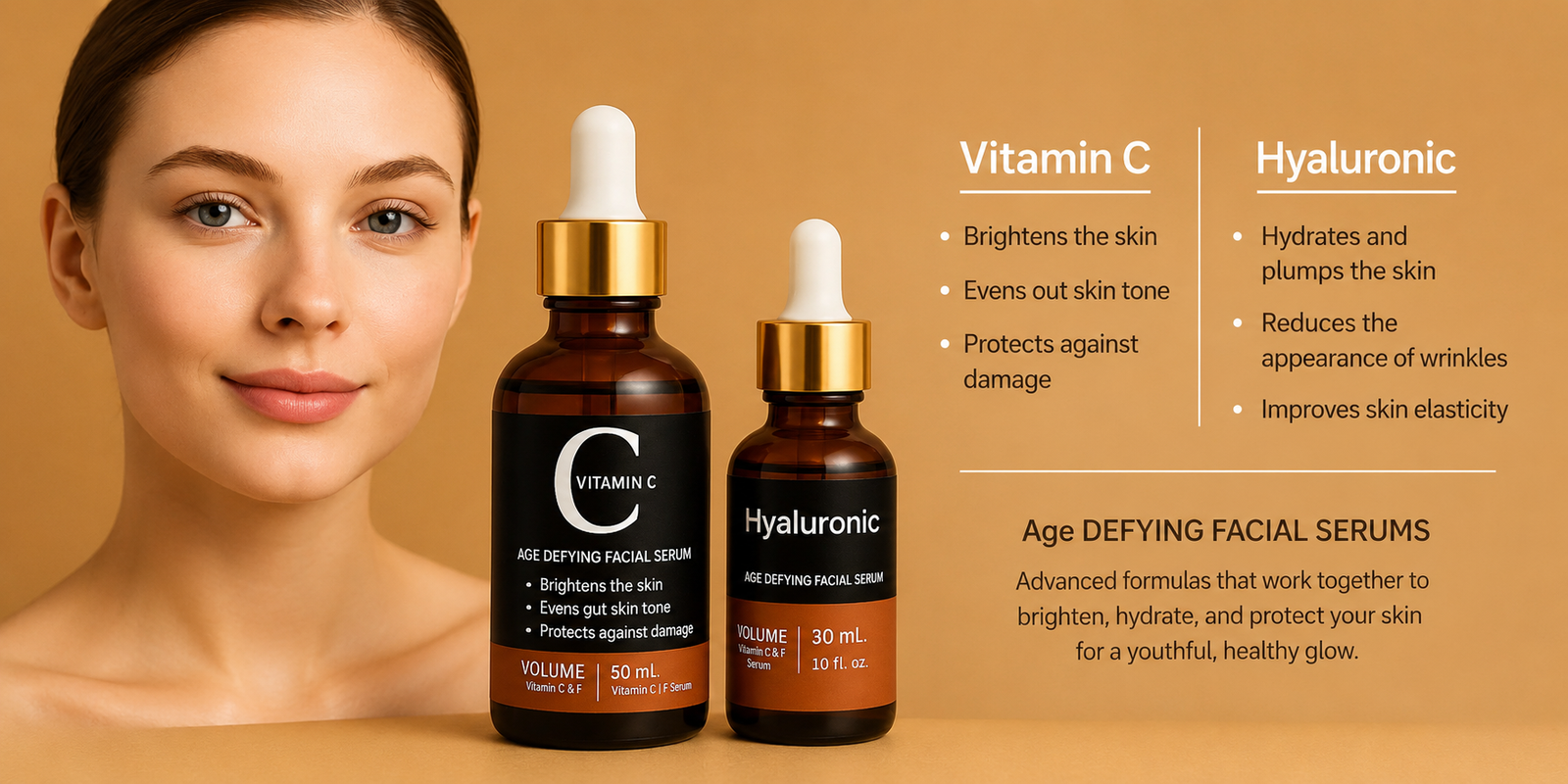
Hyaluronic Acid
Hyaluronic acid is well known for its ability to hold large amounts of water.
It helps keep the skin plump, smooth, and hydrated. When combined with a rich moisturizer, hyaluronic acid can significantly reduce ashy skin caused by dehydration.
Shea Butter
Shea butter is rich in fatty acids and vitamins that nourish dry skin.
It creates a protective layer on the skin, helping lock in moisture while leaving the skin soft and smooth. People with ashy skin often find shea butter especially helpful during colder months.
Petrolatum
Petrolatum is one of the most effective ingredients for preventing moisture loss.
It forms a protective barrier that seals water into the skin. Applying a thin layer after moisturizing can help improve very dry ashy skin, especially on elbows, knees, hands, and feet.
Colloidal Oatmeal
Colloidal oatmeal is known for its soothing properties.
It helps calm irritation, reduce itching, and support the skin barrier, making it an excellent ingredient for ashy skin associated with dryness or eczema.
Urea
Urea not only hydrates the skin but also gently softens thick, rough patches.
It is commonly recommended for ashy skin on the feet, knees, elbows, and other areas with stubborn dryness.
Lactic Acid
Lactic acid is a gentle exfoliating ingredient that removes dead skin cells while increasing hydration.
Unlike harsh scrubs, it smooths rough skin gradually, making it useful for improving ashy skin without causing irritation.
Daily Skincare Routine for Ashy Skin
Following a consistent skincare routine is one of the best ways to prevent and treat ashy skin.
Morning Routine
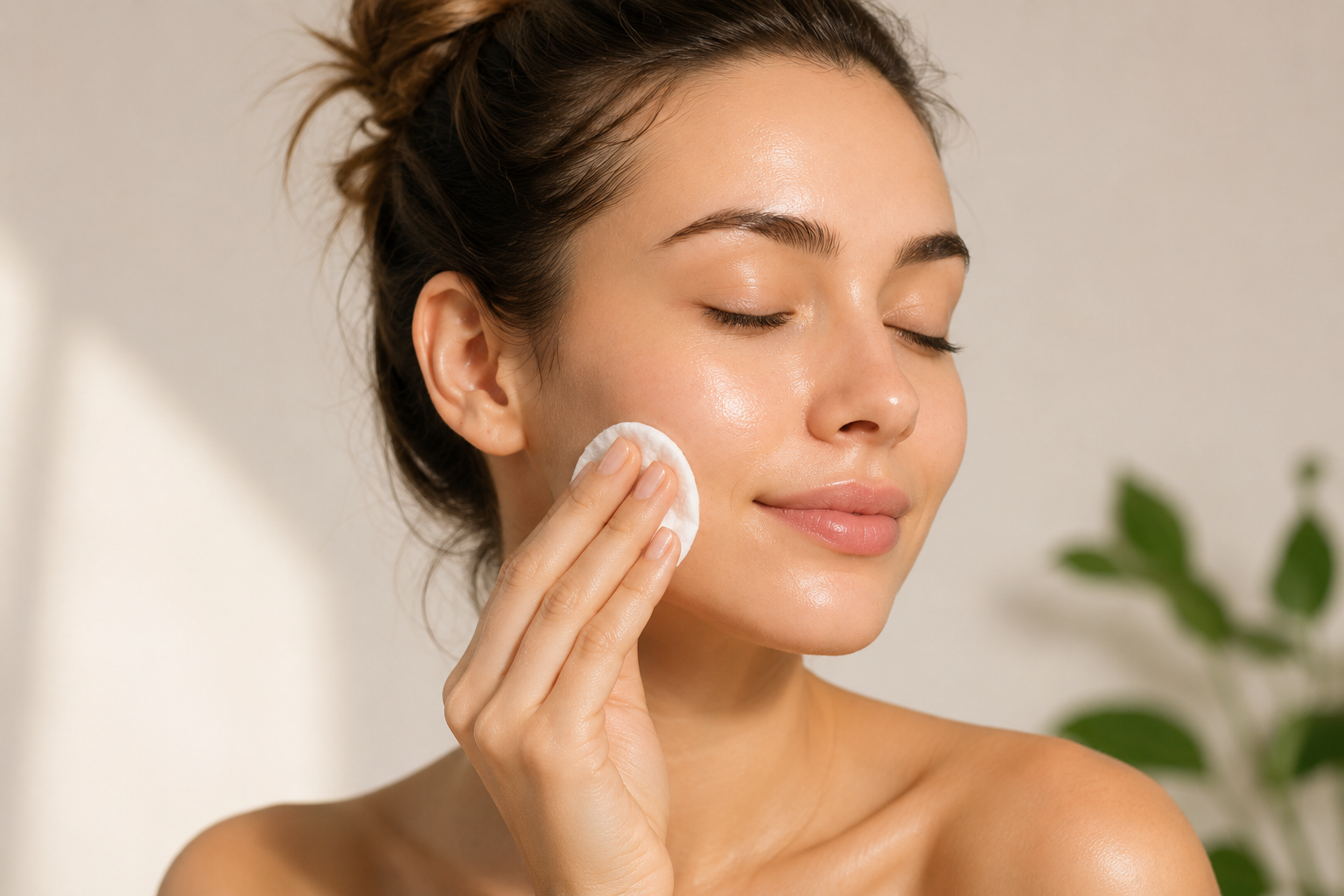
Start your day by washing your skin with a gentle, fragrance-free cleanser.
Avoid harsh soaps that strip away natural oils.
After cleansing:
- Apply a hydrating serum if needed.
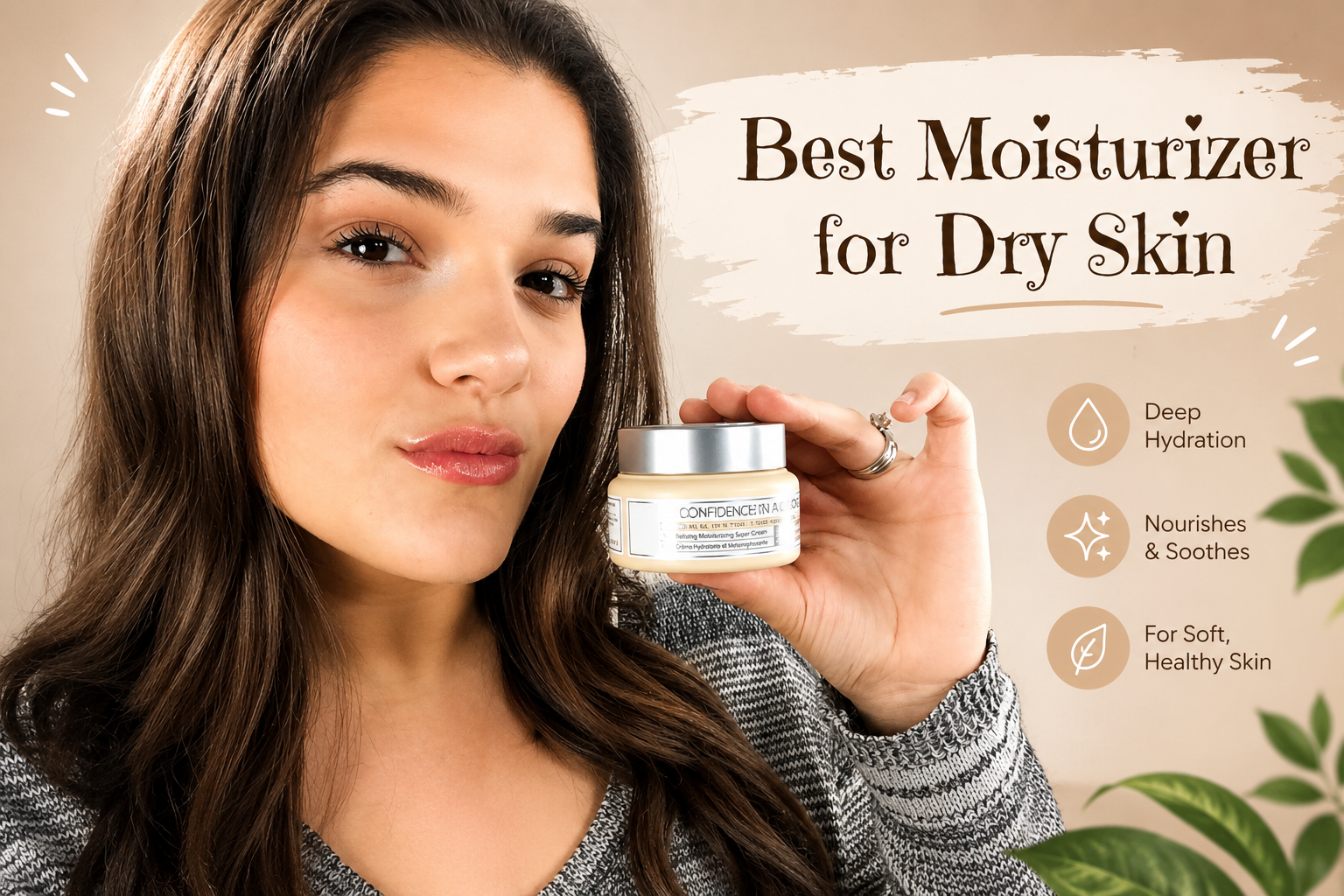
- Use a rich moisturizer containing ceramides or glycerin.
- Pay extra attention to elbows, knees, hands, and feet.
- Finish with a broad-spectrum sunscreen if your skin will be exposed to sunlight.
Daily moisturizing is one of the most effective habits for reducing ashy skin.
Evening Routine
Nighttime is the perfect opportunity to repair the skin barrier.
Take a short shower using lukewarm water instead of hot water.
Pat your skin dry with a soft towel rather than rubbing it.
Within a few minutes of bathing, apply a thick moisturizer while your skin is still slightly damp. This helps lock moisture into the skin and prevents ashy skin from developing overnight.
For very dry areas, you can apply an occlusive product over your moisturizer to help seal in hydration.
Home Remedies for Ashy Skin
Many people successfully improve ashy skin with simple home care.
Moisturize Immediately After Bathing
The best time to apply moisturizer is right after a shower or bath.
Applying moisturizer to damp skin helps trap water and keeps ashy skin from becoming worse.
Drink Enough Water
Although drinking water alone won’t completely cure ashy skin, staying hydrated supports healthy skin function.
Aim to drink enough fluids throughout the day according to your activity level and climate.
Use a Humidifier
Indoor heating can make the air extremely dry.
Running a humidifier adds moisture back into the air, helping reduce ashy skin, especially during winter.
Choose Lukewarm Water
Hot showers remove the skin’s protective oils.
Instead, use lukewarm water and keep showers to about 5–10 minutes.
Wear Soft Clothing
Rough fabrics can irritate already dry skin.
Soft, breathable fabrics such as cotton are often more comfortable for people with ashy skin.
Protect Your Skin Outdoors
Cold weather and strong winds can worsen ashy skin.
During winter, wear gloves, long sleeves, and protective clothing to reduce moisture loss.
Foods That Support Healthy Skin
Healthy skin begins from the inside.
While diet alone won’t eliminate ashy skin, eating nutritious foods supports overall skin health.
Consider including:
- Fatty fish rich in omega-3 fatty acids
- Avocados
- Nuts and seeds
- Leafy green vegetables
- Sweet potatoes
- Citrus fruits
- Berries
- Eggs
- Beans
- Plenty of water-rich fruits and vegetables
A balanced diet provides vitamins, minerals, and healthy fats that help maintain the skin barrier.
Common Mistakes That Make Ashy Skin Worse
Sometimes daily habits accidentally worsen ashy skin.
Avoid these common mistakes:
- Taking long, hot showers
- Skipping moisturizer after bathing
- Using heavily fragranced skincare products
- Washing hands excessively without moisturizing afterward
- Over-exfoliating the skin
- Ignoring early signs of dryness
- Using alcohol-based skincare products frequently
- Wearing rough fabrics against dry skin
Making small changes in your daily routine can significantly improve ashy skin over time.
How to Prevent Ashy Skin
Preventing ashy skin is often easier than treating severe dryness.
Follow these simple habits every day:
- Moisturize at least twice daily.
- Apply moisturizer immediately after bathing.
- Choose fragrance-free skincare products.
- Avoid harsh soaps and detergents.
- Use lukewarm water instead of hot water.
- Keep showers short.
- Drink enough fluids.
- Use a humidifier during dry seasons.
- Wear sunscreen every day.
- Protect your skin during cold weather.
- Exfoliate gently once or twice a week if needed.
- Wear gloves while cleaning or using strong household chemicals.
Consistency is the key to keeping ashy skin under control.
How to Prevent Ashy Skin
While treating ashy skin is important, preventing it from coming back should be your long-term goal. Healthy daily habits can keep your skin soft, smooth, and well-hydrated throughout the year. Since ashy skin is often caused by moisture loss, protecting your skin barrier is the best defense.
Moisturize Every Day
One of the easiest ways to prevent ashy skin is to moisturize consistently. Apply a rich cream or ointment immediately after bathing while your skin is still slightly damp. This helps seal in moisture and prevents water from evaporating from the skin.
For very dry areas like the elbows, knees, feet, and hands, you may need to apply moisturizer two or three times a day.
Take Short, Lukewarm Showers
Long, hot showers may feel relaxing, but they can strip away the skin’s natural oils. Instead:
- Keep showers between 5 and 10 minutes.
- Use lukewarm water instead of hot water.
- Pat your skin dry gently with a soft towel.
- Moisturize immediately after drying.
These simple changes can make a noticeable difference in reducing ashy skin.
Choose Gentle Skincare Products
Many soaps, cleansers, and body washes contain harsh ingredients that can weaken the skin barrier.
Choose products that are:
- Fragrance-free
- Alcohol-free
- Dye-free
- Sulfate-free when possible
- Designed for dry or sensitive skin
Gentle products help maintain healthy skin without causing unnecessary dryness.
Stay Hydrated
Although drinking water alone won’t completely eliminate ashy skin, proper hydration supports overall skin health.
Drink enough water throughout the day, especially during hot weather or after exercise. Eating water-rich foods such as cucumbers, watermelon, oranges, and strawberries can also support hydration.
Protect Your Skin During Winter
Cold weather is one of the biggest triggers for ashy skin.
During winter:
- Wear gloves outdoors.
- Cover exposed skin.
- Use thicker moisturizers.
- Run a humidifier indoors if the air feels dry.
Protecting your skin from cold, dry air helps reduce moisture loss.
Wear Sunscreen Every Day
Many people only think about sunscreen during summer, but UV rays can damage the skin barrier throughout the year.
Apply a broad-spectrum sunscreen with SPF 30 or higher every morning, even on cloudy days. Healthy skin is less likely to become dry and develop ashy skin.
Common Mistakes That Make Ashy Skin Worse
Sometimes everyday habits unknowingly make ashy skin more severe.
Avoid these common mistakes:
- Taking very hot showers every day.
- Using harsh soaps or body washes.
- Skipping moisturizer after bathing.
- Scrubbing your skin too aggressively.
- Over-exfoliating more than twice a week.
- Ignoring early signs of dryness.
- Staying in dry indoor environments without adding moisture to the air.
- Waiting until your skin becomes painfully dry before treating it.
Small lifestyle changes often have a significant impact on improving ashy skin.
Can Ashy Skin Be a Sign of Another Health Condition?
Most cases of ashy skin are simply caused by dry skin. However, persistent or severe dryness can sometimes be associated with certain medical conditions, including:
- Eczema (Atopic Dermatitis)
- Psoriasis
- Contact Dermatitis
- Diabetes
- Hypothyroidism
- Kidney Disease
- Certain vitamin deficiencies
If your ashy skin does not improve despite regular moisturizing or is accompanied by severe itching, redness, swelling, pain, or infection, consult a dermatologist for evaluation.
Frequently Asked Questions About Ashy Skin
Is ashy skin permanent?
No. In most cases, ashy skin is temporary and improves with proper skincare, regular moisturizing, and avoiding factors that dry out the skin.
Can oily skin become ashy?
Yes. Even oily skin can become dehydrated. When the skin lacks water, it may still develop ashy skin, especially during winter or after using harsh skincare products.
Why does my skin look ashy after showering?
Hot water and strong soaps remove natural oils from the skin. Without these oils, moisture escapes quickly, leaving the skin looking dry and ashy.
How often should I moisturize if I have ashy skin?
Most dermatologists recommend moisturizing at least twice a day. Very dry areas may benefit from additional applications throughout the day.
Is exfoliation good for ashy skin?
Yes, but only in moderation. Gentle exfoliation once or twice a week helps remove dead skin cells that contribute to ashy skin. Avoid harsh scrubs that can damage the skin barrier.
Which ingredients are best for ashy skin?
Some of the most effective ingredients include:
- Ceramides
- Glycerin
- Hyaluronic Acid
- Shea Butter
- Petrolatum
- Urea
- Colloidal Oatmeal
- Lactic Acid
These ingredients help hydrate the skin and strengthen its natural protective barrier.
Can children get ashy skin?
Yes. Babies and children can develop ashy skin, especially during winter or if they have sensitive skin or eczema. Gentle cleansers and fragrance-free moisturizers are usually recommended.
Final Thoughts
Ashy skin is one of the most common signs of dry skin, but it doesn’t have to become a long-term problem. Whether it appears on your face, hands, elbows, knees, legs, or feet, the key to managing ashy skin is restoring and maintaining your skin’s moisture barrier.
Simple habits—such as using gentle cleansers, taking shorter lukewarm showers, applying moisturizer immediately after bathing, staying hydrated, and protecting your skin from harsh weather—can make a noticeable difference over time.
If your ashy skin is persistent, painful, or accompanied by severe itching, cracking, or signs of infection, seek advice from a dermatologist. An underlying skin condition may require specialized treatment.
With the right daily skincare routine and consistent care, you can reduce ashy skin, improve your skin’s texture, and enjoy healthier, smoother, and more radiant skin all year round.