Introduction
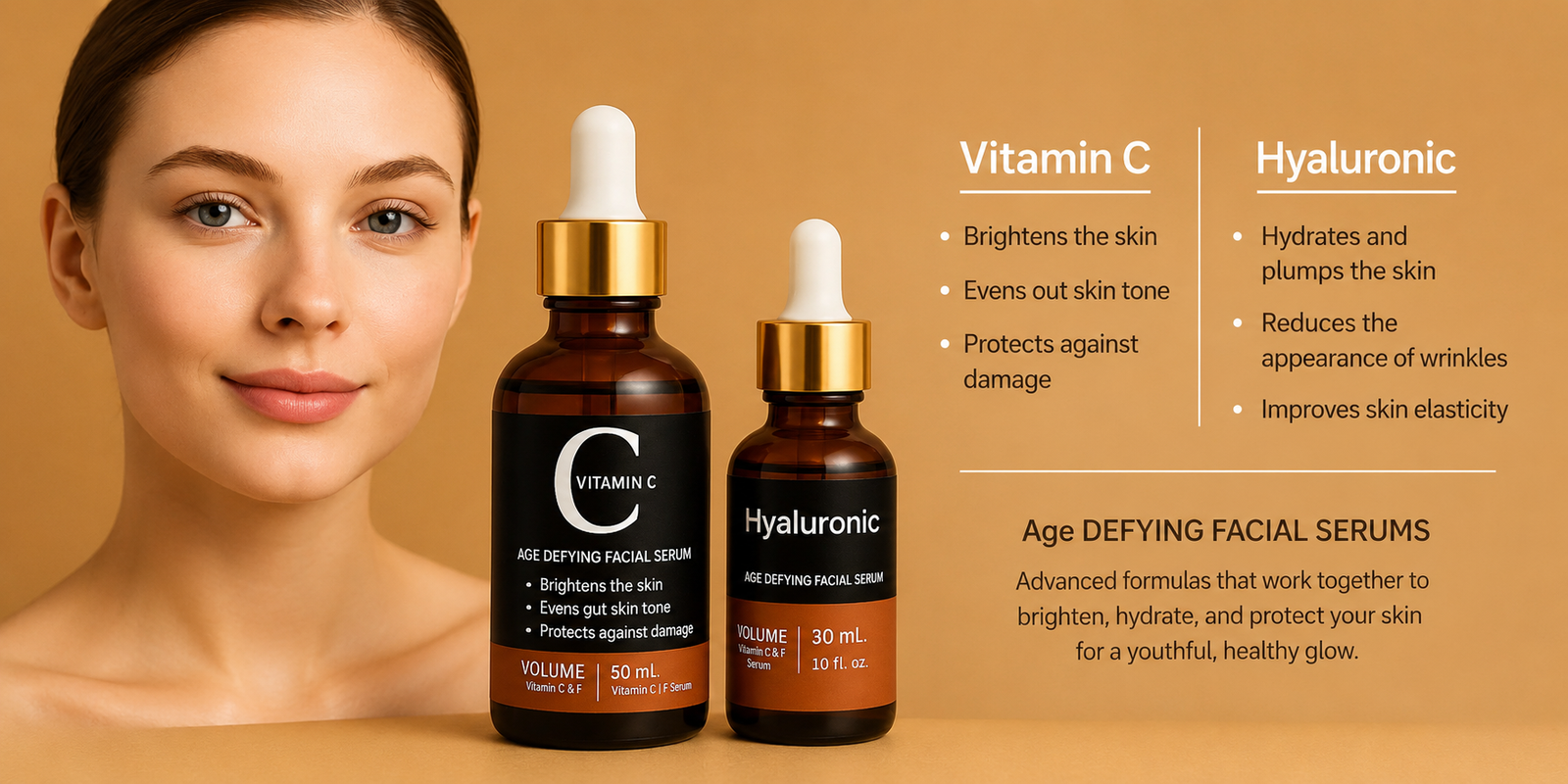
Vitamin C and Hyaluronic Acid have become two of the most recommended skincare ingredients by dermatologists and skincare professionals worldwide. Whether you want to achieve glowing skin, reduce dark spots, improve hydration, or slow down visible signs of aging, Vitamin C and Hyaluronic Acid can help you build an effective skincare routine.
Modern skincare is no longer just about cleansing and moisturizing. Choosing ingredients that are backed by research plays a major role in maintaining healthy skin. Among hundreds of active ingredients available today, Vitamin C and Hyaluronic Acid continue to stand out because they deliver multiple benefits while being suitable for most skin types.
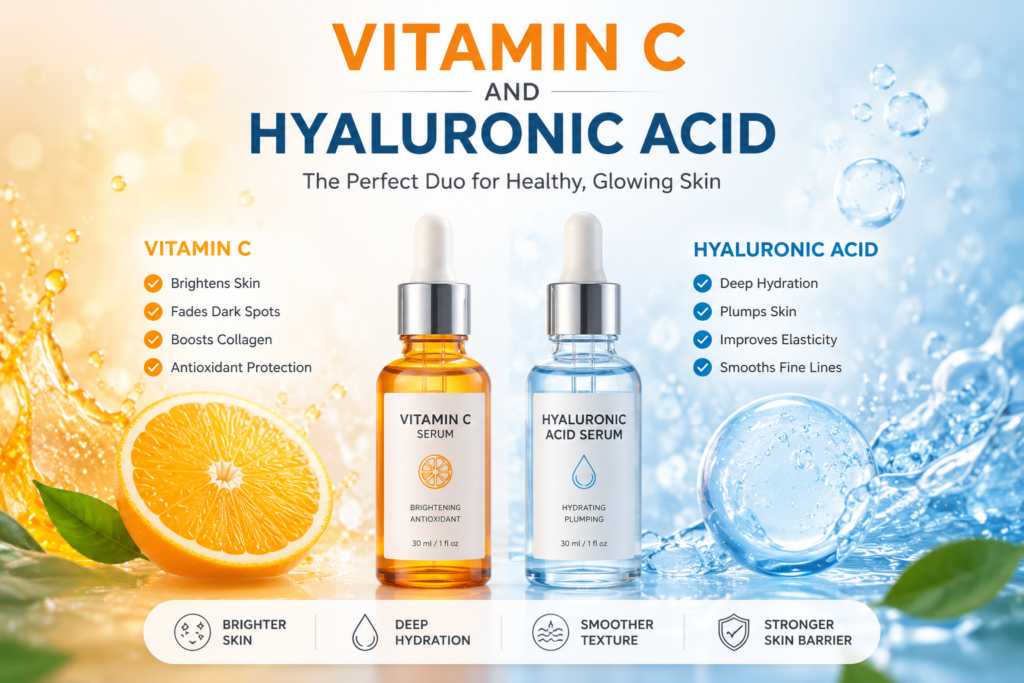
One of the biggest advantages of Vitamin C and Hyaluronic Acid is that they complement each other perfectly. Vitamin C protects the skin from environmental damage and supports collagen production, while Hyaluronic Acid delivers deep hydration and helps keep the skin soft, smooth, and plump. Together, Vitamin C and Hyaluronic Acid create a powerful skincare combination that improves skin texture, boosts radiance, and supports a healthier skin barrier.
Whether you have dry skin, oily skin, combination skin, or sensitive skin, incorporating Vitamin C and Hyaluronic Acid into your daily routine can make a noticeable difference over time. With consistent use, these ingredients can help improve skin tone, reduce dullness, minimize the appearance of fine lines, and enhance your skin’s natural glow.
In this complete guide, you’ll learn everything about Vitamin C and Hyaluronic Acid, including how they work, their individual benefits, why they work better together, and how to use them correctly for the best possible results.
What Is Vitamin C?
Vitamin C, also known as L-ascorbic acid, is one of the most researched skincare ingredients available today. It is a powerful antioxidant that helps protect the skin from damage caused by free radicals, pollution, and ultraviolet (UV) exposure.
Although Vitamin C is naturally found in citrus fruits, berries, kiwi, bell peppers, and leafy vegetables, topical skincare products are designed to deliver concentrated amounts directly to the skin. This allows Vitamin C and Hyaluronic Acid routines to target concerns such as dullness, pigmentation, uneven skin tone, and early signs of aging more effectively.
Unlike many skincare ingredients that focus on a single concern, Vitamin C provides several benefits at the same time. It helps brighten the complexion, supports collagen synthesis, improves skin texture, and protects against environmental stress that can accelerate premature aging.
Because of these multiple benefits, Vitamin C is considered an essential ingredient in many morning skincare routines.
How Vitamin C Benefits Your Skin
Brightens Dull Skin
One of the biggest reasons people choose Vitamin C is its ability to restore skin radiance. Regular use helps improve the appearance of tired-looking skin, leaving it brighter and healthier.
Helps Fade Dark Spots
Vitamin C supports a more even-looking complexion by reducing the appearance of post-acne marks, sun spots, and uneven pigmentation. Over time, skin looks clearer and more balanced.
Supports Collagen Production
Collagen is responsible for maintaining firm, smooth, and youthful-looking skin. As collagen production naturally decreases with age, fine lines and wrinkles become more noticeable. Vitamin C plays an important role in supporting the skin’s natural collagen-building process.
Powerful Antioxidant Protection
Daily exposure to pollution, UV rays, and environmental toxins creates free radicals that can damage skin cells. Vitamin C helps neutralize these unstable molecules, reducing oxidative stress and supporting healthier-looking skin.
Improves Overall Skin Texture
With regular application, Vitamin C promotes smoother, softer skin by supporting natural skin renewal. Many people notice improvements in roughness, uneven texture, and dullness after consistent use.
What Is Hyaluronic Acid?
Despite its name, Hyaluronic Acid is one of the gentlest and most hydrating skincare ingredients available. It is naturally found in the skin, connective tissues, and eyes, where it helps maintain moisture and elasticity.
One of the most remarkable characteristics of Hyaluronic Acid is its ability to attract and retain large amounts of water. This makes it an excellent ingredient for keeping the skin hydrated throughout the day.
As we age, the skin naturally produces less Hyaluronic Acid. This gradual decline can lead to dryness, dehydration, loss of firmness, and the appearance of fine lines. Adding Hyaluronic Acid to your skincare routine helps replenish moisture and improve overall skin comfort.
When used together, Vitamin C and Hyaluronic Acid create a balanced skincare routine that addresses both hydration and skin protection.
Benefits of Hyaluronic Acid
Deep Hydration
Hyaluronic Acid attracts moisture to the skin and helps prevent water loss. Well-hydrated skin feels softer, smoother, and more comfortable.
Plumper-Looking Skin
Hydrated skin naturally appears fuller and healthier. Hyaluronic Acid gives the skin a fresh, plump appearance that can reduce the visibility of dehydration lines.
Strengthens the Skin Barrier
A healthy moisture barrier helps protect the skin against environmental stress and prevents excessive moisture loss. Hyaluronic Acid supports this protective barrier by maintaining optimal hydration levels.
Suitable for Every Skin Type
Whether your skin is oily, dry, combination, acne-prone, or sensitive, Hyaluronic Acid is generally well tolerated because it hydrates without leaving a heavy or greasy feel.
Why Vitamin C and Hyaluronic Acid Work Better Together
Although each ingredient delivers impressive results individually, Vitamin C and Hyaluronic Acid become even more effective when used together.
Vitamin C focuses on protecting the skin from oxidative damage, improving brightness, and supporting collagen production. Hyaluronic Acid complements these benefits by deeply hydrating the skin, strengthening the moisture barrier, and creating a smoother, healthier appearance.
Together, Vitamin C and Hyaluronic Acid help:
- Improve skin hydration
- Boost natural radiance
- Support collagen production
- Smooth rough texture
- Reduce the appearance of fine lines
- Strengthen the skin barrier
- Promote healthier, more youthful-looking skin
Instead of competing with each other, Vitamin C and Hyaluronic Acid work in harmony, making them one of the most effective ingredient combinations in modern skincare.
To be continued in Part 2…
How Vitamin C and Hyaluronic Acid Work Together
One of the biggest reasons skincare experts recommend Vitamin C and Hyaluronic Acid is because these ingredients complement each other instead of competing. While Vitamin C focuses on protecting and repairing the skin, Hyaluronic Acid concentrates on hydration and maintaining a healthy skin barrier.
Using Vitamin C and Hyaluronic Acid together creates a complete skincare routine that targets multiple concerns at once. Instead of using separate products for dullness, dehydration, and early signs of aging, this powerful combination addresses all of these issues simultaneously.
Vitamin C helps defend the skin against environmental stressors such as pollution and UV-induced free radicals. At the same time, Hyaluronic Acid replenishes moisture, keeping the skin soft, plump, and comfortable throughout the day. Together, Vitamin C and Hyaluronic Acid leave the complexion looking healthier, brighter, and more youthful.
Benefits of Using Vitamin C and Hyaluronic Acid Together
1. Provides Long-Lasting Hydration
Hydrated skin is the foundation of a healthy complexion. Hyaluronic Acid attracts water to the skin and helps lock it in, reducing dryness and tightness.
When paired with Vitamin C and Hyaluronic Acid, your skin not only stays hydrated but also becomes more resilient against environmental damage. Well-hydrated skin also absorbs skincare products more effectively, allowing active ingredients to perform at their best.
2. Boosts Skin Radiance
Dull skin is often caused by dehydration, pollution, dead skin cells, and uneven pigmentation.
Vitamin C brightens the complexion by improving the appearance of discoloration, while Hyaluronic Acid restores moisture that gives the skin a naturally healthy glow.
Regular use of Vitamin C and Hyaluronic Acid can leave your skin looking fresher, brighter, and more luminous.
3. Reduces the Appearance of Fine Lines
Fine lines become more noticeable when skin loses moisture and collagen over time.
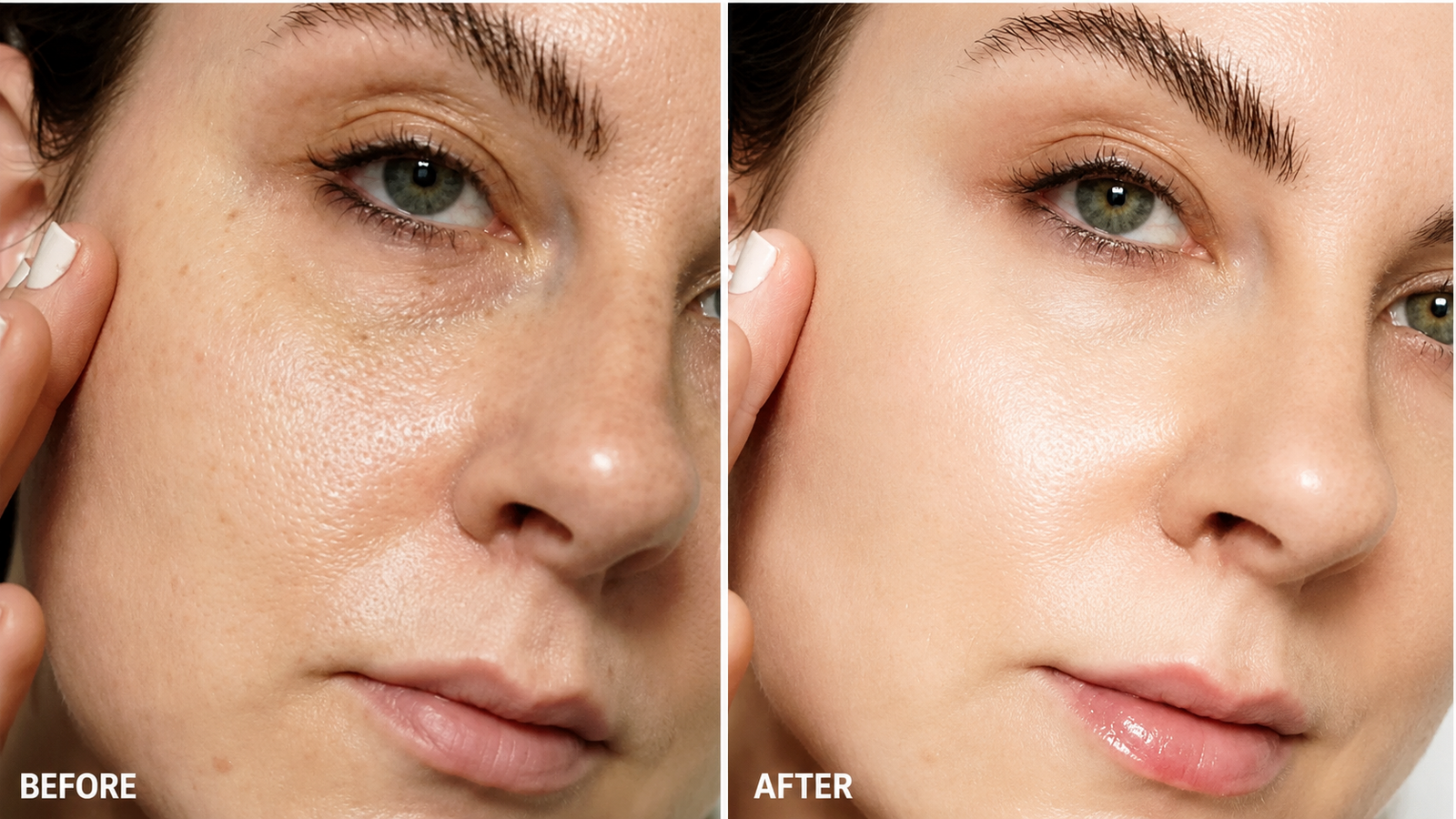
Vitamin C supports natural collagen production, while Hyaluronic Acid fills the skin with hydration, making dehydration lines appear less visible.
Although Vitamin C and Hyaluronic Acid cannot stop the natural aging process, they can significantly improve the overall appearance of aging skin with consistent use.
4. Improves Skin Texture
Uneven texture, rough patches, and dry areas can make the complexion appear tired.
The combination of Vitamin C and Hyaluronic Acid helps smooth the skin’s surface while improving softness and elasticity. As hydration levels improve, skin feels healthier and looks more refined.
5. Strengthens the Skin Barrier
Your skin barrier protects against pollution, bacteria, irritants, and moisture loss.
Vitamin C supports healthy skin function through antioxidant protection, while Hyaluronic Acid reinforces hydration levels that help maintain a stronger skin barrier.
A healthy barrier means healthier-looking skin over time.
Who Should Use Vitamin C and Hyaluronic Acid?
Almost anyone can benefit from Vitamin C and Hyaluronic Acid, regardless of age or skin type.
These ingredients are especially helpful for people with:
- Dull or tired-looking skin
- Dry or dehydrated skin
- Uneven skin tone
- Dark spots and post-acne marks
- Fine lines and wrinkles
- Sun-damaged skin
- Combination skin
- Oily skin needing lightweight hydration
- Sensitive skin looking for gentle hydration
Whether you’re in your early twenties and focusing on prevention or looking to improve visible signs of aging, Vitamin C and Hyaluronic Acid can become an essential part of your skincare routine.
How to Apply Vitamin C and Hyaluronic Acid
Knowing the correct application order helps maximize the benefits of Vitamin C and Hyaluronic Acid.
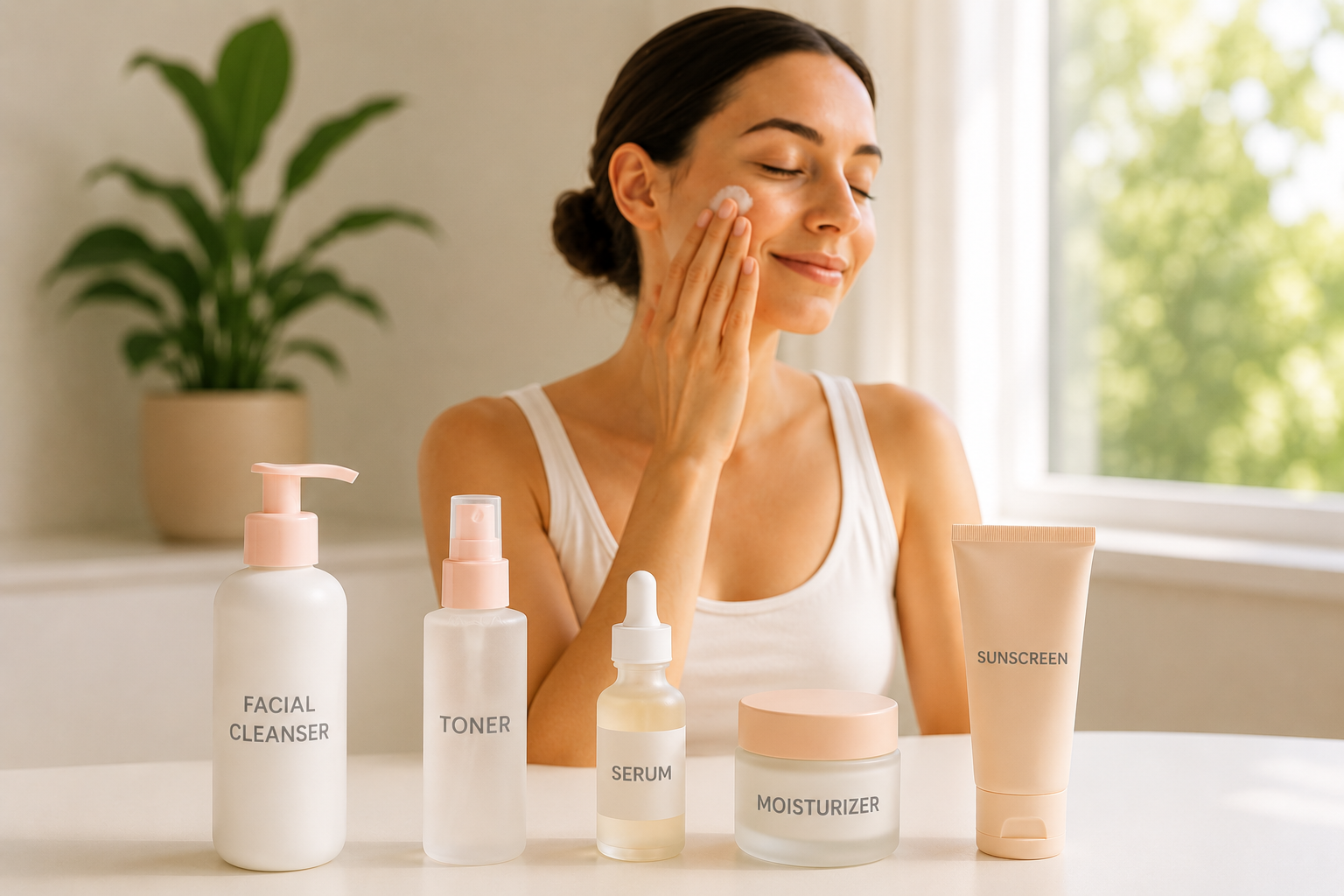
Follow these simple steps:
Step 1: Cleanse Your Skin
Begin with a gentle cleanser to remove dirt, excess oil, sunscreen, and makeup.
Clean skin allows active ingredients to absorb more effectively.
Step 2: Apply Vitamin C Serum
After cleansing, apply a few drops of your Vitamin C serum to dry skin.
Spread it evenly over the face and neck, avoiding the eye area unless the product specifically states it is safe.
Allow the serum to absorb for about one minute.
Step 3: Apply Hyaluronic Acid
Once the Vitamin C serum has absorbed, apply your Hyaluronic Acid serum.
Hyaluronic Acid helps draw moisture into the skin and supports long-lasting hydration.
Many people prefer applying it to slightly damp skin for enhanced hydration.
Step 4: Moisturize
Lock in all the benefits of Vitamin C and Hyaluronic Acid with a moisturizer suited to your skin type.
A moisturizer helps reduce moisture loss while strengthening the skin barrier.
Step 5: Finish with Sunscreen
During the daytime, sunscreen is an essential final step.
Although Vitamin C provides antioxidant support, sunscreen remains your primary defense against UV damage.
Choose a broad-spectrum sunscreen with SPF 30 or higher every morning.
Morning Routine Using Vitamin C and Hyaluronic Acid
For daytime protection, follow this routine:
- Gentle Cleanser
- Vitamin C Serum
- Hyaluronic Acid Serum
- Moisturizer
- Sunscreen SPF 30+
Using Vitamin C and Hyaluronic Acid in the morning helps protect your skin from pollution, sunlight, and environmental stress throughout the day.
Evening Routine Using Vitamin C and Hyaluronic Acid
A simple nighttime routine may include:
- Cleanser
- Retinol or other nighttime treatment (if used)
- Hyaluronic Acid
- Moisturizer
If your Vitamin C product is gentle enough for twice-daily use, you may also include it in your evening routine according to the product instructions.
Can You Use Vitamin C and Hyaluronic Acid Every Day?
Yes.
Most people can safely use Vitamin C and Hyaluronic Acid every day.
Daily use often delivers the best long-term results because skincare improvements happen gradually rather than overnight.
Consistency is much more important than applying large amounts of product.
Using Vitamin C and Hyaluronic Acid as part of your daily skincare routine can help maintain healthy hydration, improve brightness, and support smoother-looking skin over time.
Common Mistakes to Avoid When Using Vitamin C and Hyaluronic Acid
Even though Vitamin C and Hyaluronic Acid are beginner-friendly skincare ingredients, certain mistakes can reduce their effectiveness. Avoiding these common errors will help you achieve better and more consistent results.
1. Skipping Sunscreen
One of the biggest mistakes is using Vitamin C and Hyaluronic Acid without applying sunscreen during the day.
Vitamin C helps defend the skin against free radicals, but it is not a replacement for sunscreen. UV rays can still damage the skin and contribute to pigmentation, collagen breakdown, and premature aging.
Always finish your morning skincare routine with a broad-spectrum sunscreen of SPF 30 or higher.
2. Using Too Much Product
Applying more serum does not produce faster results.
A few drops of Vitamin C serum and a small amount of Hyaluronic Acid serum are usually enough for the entire face and neck.
Using excessive amounts may waste product and increase the likelihood of irritation, especially if you are new to active skincare ingredients.
3. Expecting Overnight Results
Many people begin using Vitamin C and Hyaluronic Acid expecting dramatic improvements within a few days.
Healthy skin requires consistency.
Most users notice improved hydration within the first couple of weeks, while brighter skin tone, improved texture, and reduced pigmentation generally become more noticeable after several weeks of regular use.
Patience and consistency are essential for long-term success.
4. Applying Products in the Wrong Order
Skincare products should generally be applied from the lightest texture to the heaviest.
A common morning routine is:
- Cleanser
- Vitamin C Serum
- Hyaluronic Acid Serum
- Moisturizer
- Sunscreen
Following the correct order helps each product absorb effectively.
5. Ignoring Patch Testing
Even though Vitamin C and Hyaluronic Acid are well tolerated by most skin types, every person’s skin is different.
Before introducing any new skincare product, perform a patch test on a small area of skin and wait at least 24 hours.
This simple step helps reduce the risk of unexpected irritation or allergic reactions.
Possible Side Effects
Most people can use Vitamin C and Hyaluronic Acid safely without experiencing serious side effects.
However, some individuals may notice mild reactions while their skin adjusts.
Possible temporary effects include:
- Mild tingling
- Slight redness
- Temporary dryness
- Mild irritation
These symptoms usually improve as the skin becomes accustomed to the product.
If irritation becomes severe or persists, discontinue use and seek advice from a qualified healthcare professional or dermatologist.
Tips for Getting the Best Results
To maximize the benefits of Vitamin C and Hyaluronic Acid, follow these practical tips:
- Choose products from reputable skincare brands.
- Store Vitamin C serum away from direct sunlight and heat.
- Keep the bottle tightly closed to reduce oxidation.
- Apply skincare consistently every day.
- Drink enough water to support overall skin hydration.
- Follow a balanced diet rich in fruits, vegetables, and healthy fats.
- Avoid smoking, which accelerates skin aging.
- Wear sunscreen every morning, even on cloudy days.
- Get adequate sleep to support the skin’s natural repair process.
Healthy skin is the result of both effective skincare and a healthy lifestyle.
Who Should Avoid Vitamin C and Hyaluronic Acid?
For most people, Vitamin C and Hyaluronic Acid are suitable for daily use.
However, you should consult a healthcare professional before starting any new skincare product if you:
- Have a known allergy to any ingredient in the product.
- Have active skin infections.
- Have severe eczema or another skin condition requiring medical treatment.
- Experience persistent irritation after using skincare products.
If you have sensitive skin, start by using Vitamin C two or three times per week before increasing frequency.
Frequently Asked Questions (FAQs)
Can I use Vitamin C and Hyaluronic Acid together?
Yes. Vitamin C and Hyaluronic Acid are highly compatible and are commonly used together in modern skincare routines.
Which should I apply first?
In most routines, apply Vitamin C serum after cleansing, followed by Hyaluronic Acid serum, then moisturizer and sunscreen in the morning.
Always follow the instructions provided with your specific skincare products.
Can oily skin use Vitamin C and Hyaluronic Acid?
Absolutely.
Lightweight Vitamin C and Hyaluronic Acid serums are suitable for oily and combination skin because they hydrate without leaving a greasy finish.
Can I use Vitamin C and Hyaluronic Acid every day?
Yes.
Most people benefit from daily use of Vitamin C and Hyaluronic Acid, provided the products are suitable for their skin type.
How long does it take to see results?
Hydration improvements may be noticeable within a few weeks.
Brighter skin, smoother texture, and improvement in the appearance of dark spots and fine lines usually require several weeks of consistent daily use.
Are Vitamin C and Hyaluronic Acid suitable for sensitive skin?
Generally, yes.
Hyaluronic Acid is considered one of the gentlest skincare ingredients, while people with sensitive skin may prefer starting with a lower-strength Vitamin C formula and gradually increasing usage if well tolerated.
Final Thoughts
Vitamin C and Hyaluronic Acid have earned their place among the most trusted skincare ingredients because they address multiple skin concerns at the same time. Vitamin C helps brighten the complexion, defend against environmental damage, and support healthy collagen production. Hyaluronic Acid deeply hydrates the skin, strengthens the moisture barrier, and creates a smoother, plumper appearance.
When used consistently, Vitamin C and Hyaluronic Acid can improve skin texture, enhance natural radiance, reduce the appearance of fine lines, and support healthier-looking skin over time.
Remember that no skincare product delivers instant results. The key to success is consistency, patience, and following a complete skincare routine that includes cleansing, moisturizing, and daily sunscreen.
If you’re looking for a simple yet highly effective skincare combination, Vitamin C and Hyaluronic Acid are among the best ingredients to include in your daily routine. With regular use and proper sun protection, they can help you achieve brighter, healthier, and more youthful-looking skin while supporting long-term skin health.