Introduction
Noticing flaky skin in mouth or around your lips can be frustrating, especially when it keeps coming back despite using lip balm or moisturizer. The skin around the mouth is naturally thinner and more delicate than many other areas of the face. Because of this, it loses moisture more easily and is more likely to become dry, rough, irritated, or flaky.
For some people, flaky skin in mouth develops during cold winter months or after spending time in dry, windy weather. For others, it may be linked to dehydration, excessive face washing, allergies, harsh skincare products, or underlying skin conditions such as perioral dermatitis or eczema. Even habits like frequently licking your lips or using irritating toothpaste can weaken the skin barrier and lead to persistent dryness.
Although mild flaking often improves with proper skincare, recurring or severe flaky skin in mouth should not be ignored. In some cases, it may signal an underlying medical condition that requires proper diagnosis and treatment. Understanding the root cause is the first step toward restoring healthy, comfortable skin.
This comprehensive guide explains everything you need to know about flaky skin in mouth, including its causes, symptoms, risk factors, and when it may be time to seek professional medical advice.
What Is Flaky Skin in Mouth?
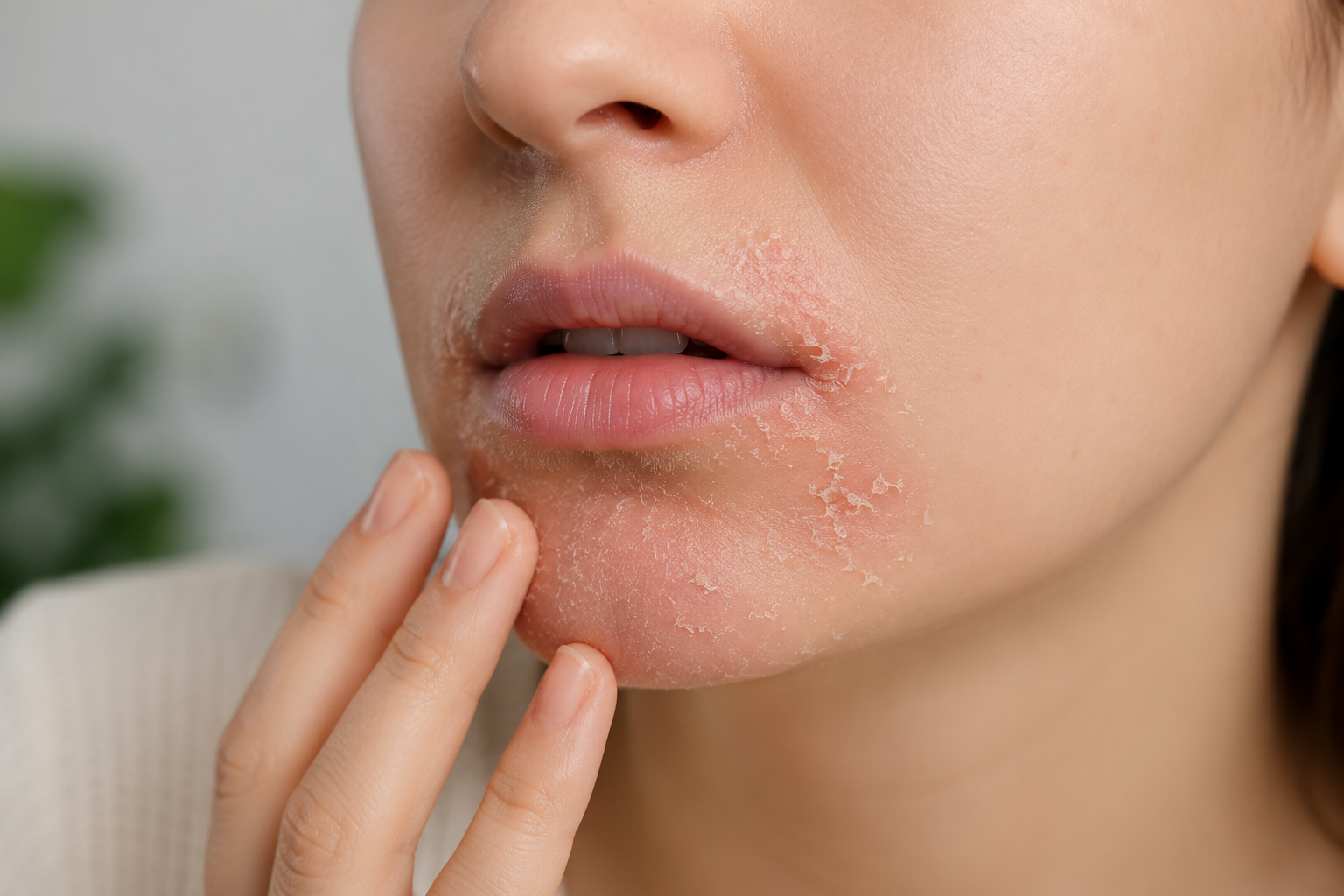
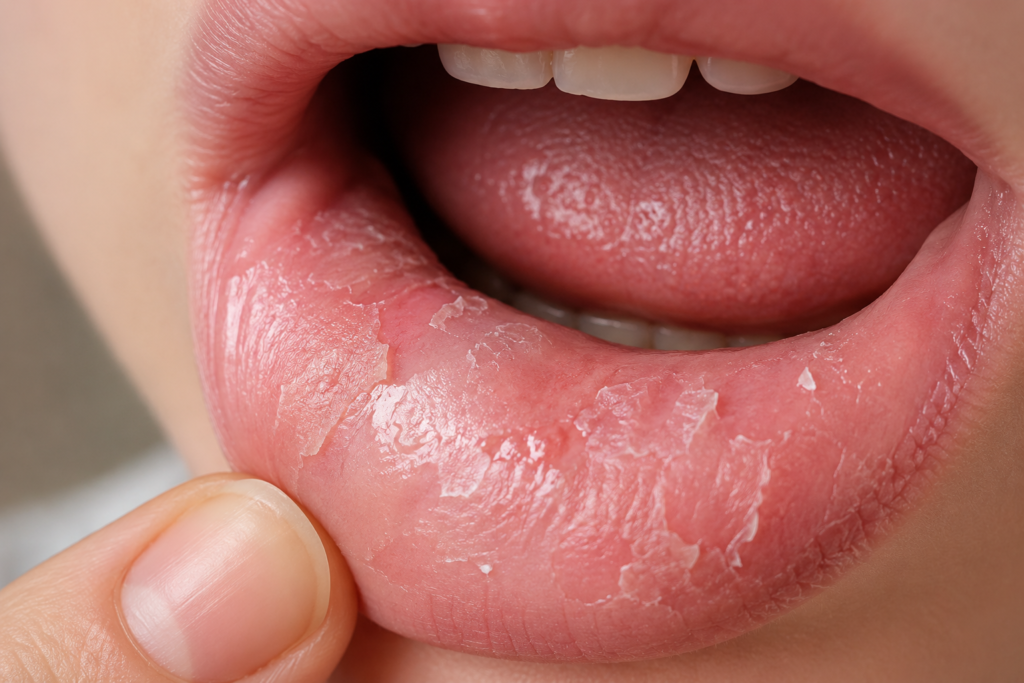
Flaky skin in mouth refers to dry, peeling, or scaly skin that develops around the lips, corners of the mouth, or nearby facial skin. Some people may also notice peeling on the inner lips or the lining of the mouth after irritation or dehydration.
The condition occurs when the skin’s natural protective barrier becomes damaged or loses too much moisture. As the outer layer dries out, dead skin cells begin to accumulate and peel away, creating visible flakes. Depending on the underlying cause, the affected area may also become red, tight, itchy, sensitive, or slightly swollen.
For many people, flaky skin in mouth is only temporary and improves after restoring moisture and avoiding irritating products. However, if the skin continues to peel for several weeks or frequently returns, it may indicate an underlying skin disorder rather than simple dryness.
Why Does Flaky Skin in Mouth Happen?
Healthy skin contains natural oils, water, and specialised lipids that work together to maintain a strong skin barrier. This barrier protects the skin from bacteria, allergens, pollution, and moisture loss.
When this protective layer becomes damaged, water escapes from the skin more quickly than it can be replaced. As a result, the skin becomes dehydrated, rough, and flaky.
Several factors can weaken the skin barrier, including:
- Cold or windy weather
- Low humidity
- Excessive sun exposure
- Frequent washing with harsh cleansers
- Strong skincare ingredients
- Lip licking
- Allergic reactions
- Perioral dermatitis
- Eczema
- Poor hydration
- Nutritional deficiencies
In many cases, several of these factors work together, making flaky skin in mouth more persistent and difficult to manage.
Signs and Symptoms of Flaky Skin in Mouth
The appearance of flaky skin in mouth varies depending on its cause and severity. Some people experience only mild dryness, while others develop significant irritation that interferes with eating, smiling, or speaking comfortably.
Common symptoms include:
- Dry, peeling skin around the lips
- White or greyish flakes
- Rough skin texture
- Tightness around the mouth
- Red patches
- Mild itching
- Burning or stinging sensation
- Small cracks in the skin
- Increased sensitivity
- Pain while opening the mouth
- Dryness around the nose or chin
- Skin that peels repeatedly after washing
In inflammatory conditions such as perioral dermatitis, the flaky skin may also be accompanied by small red bumps or a rash.
Which Areas Are Commonly Affected?
Although the condition is commonly called flaky skin in mouth, the affected skin is usually found in one or more of these areas:
- Above the upper lip
- Below the lower lip
- Around the corners of the mouth
- Along the smile lines
- Around the chin
- Around the nose
- Around the lips
- Occasionally inside the lips or oral lining
The exact location often provides important clues about the underlying cause.
Is Flaky Skin in Mouth Normal?
Occasional flaky skin in mouth is common and usually isn’t a cause for concern. Environmental changes, temporary dehydration, or mild irritation can all cause the skin to peel for a few days.
However, persistent or recurring flaking should not be considered normal.
If your symptoms continue despite proper moisturising, or if they become painful, inflamed, or widespread, a dermatologist should evaluate the condition to identify the underlying cause.
Common Causes of Flaky Skin in Mouth
Understanding the cause is essential because the most effective treatment depends on why the skin is peeling in the first place.
1. Dry Skin (Xerosis)
One of the leading causes of flaky skin in mouth is simple skin dryness.
Cold temperatures, indoor heating, air conditioning, and low humidity remove moisture from the skin. As water evaporates from the outer layer, the skin loses flexibility and begins to crack or peel.
People with naturally dry skin often notice worsening symptoms during autumn and winter.
2. Perioral Dermatitis
Perioral dermatitis is a common inflammatory skin condition that develops around the mouth.
Unlike ordinary dry skin, this condition usually produces:
- Red patches
- Small bumps
- Dry scales
- Burning sensation
- Mild itching
Long-term use of topical steroid creams, certain cosmetic products, fluoride toothpaste, and heavy facial creams are recognised triggers.
3. Eczema (Atopic Dermatitis)
Eczema weakens the skin barrier, making it difficult for the skin to retain moisture.
When eczema affects the face, it often causes:
- Persistent dryness
- Flaky skin
- Intense itching
- Cracked skin
- Redness
- Recurring flare-ups
People with asthma, hay fever, or a family history of allergies have a higher risk of developing eczema.
4. Contact Dermatitis
Some skincare or oral care products may trigger irritation or an allergic reaction.
Common triggers include:
- Toothpaste
- Mouthwash
- Lipsticks
- Lip balms
- Face creams
- Makeup
- Sunscreen
- Facial cleansers
Removing the irritating product often allows the skin to recover gradually.
5. Lip Licking
Repeated lip licking may feel soothing at first, but saliva quickly evaporates and strips away the skin’s natural oils.
Over time, this habit damages the skin barrier and contributes to recurring flaky skin in mouth, especially during dry weather.
6. Cold and Windy Weather
Winter weather is one of the biggest triggers for flaky skin in mouth.
Cold air contains less moisture than warm air, while strong winds further increase water loss from the skin. Without adequate protection, the skin becomes rough, dry, and flaky.
7. Dehydration
Your skin depends on adequate water levels to remain soft, flexible, and healthy. When your body becomes dehydrated, the skin is often one of the first areas to show visible changes. A lack of hydration can reduce the skin’s elasticity and make flaky skin in mouth more noticeable.
Common signs of dehydration include:
- Dry lips
- Rough skin around the mouth
- Tight facial skin
- Peeling patches
- Increased sensitivity
Drinking enough water every day supports your body’s natural functions and helps maintain healthy skin, although hydration alone may not resolve flaky skin in mouth if another medical condition is responsible.
8. Nutritional Deficiencies
Healthy skin requires a balanced supply of vitamins and minerals. Deficiencies in certain nutrients may interfere with normal skin repair and increase the likelihood of developing flaky skin in mouth.
Some important nutrients include:
- Vitamin B complex
- Riboflavin (Vitamin B2)
- Iron
- Zinc
- Vitamin A
- Essential fatty acids
Poor nutrition may also contribute to cracked lips, irritation at the corners of the mouth, delayed wound healing, and persistent dryness.
If nutritional deficiencies are suspected, a healthcare professional may recommend blood tests and dietary changes.
9. Rosacea
Rosacea is a long-term inflammatory skin condition that mainly affects the central part of the face. Although it commonly causes facial redness, some people also experience flaky skin in mouth, particularly when the skin barrier becomes damaged.
Other symptoms may include:
- Persistent facial redness
- Visible blood vessels
- Sensitive skin
- Burning or stinging
- Acne-like bumps
Because rosacea can resemble perioral dermatitis, a dermatologist may be needed for an accurate diagnosis.
10. Psoriasis
Psoriasis is an autoimmune skin condition that speeds up the production of skin cells. This causes thick, dry, and scaly patches that may occasionally develop around the mouth.
Symptoms include:
- Thick silvery scales
- Red inflamed patches
- Dry cracked skin
- Itching
- Soreness
Although facial psoriasis is less common than scalp or elbow psoriasis, it should be evaluated by a healthcare professional.
11. Environmental Irritants
Daily exposure to environmental factors can gradually damage the delicate skin around your mouth.
Common irritants include:
- Air pollution
- Cigarette smoke
- Strong winds
- Dust
- Chlorinated water
- Excessive sun exposure
These factors weaken the skin barrier and increase moisture loss, making flaky skin in mouth more likely to develop.
Who Is Most Likely to Develop Flaky Skin in Mouth?
Anyone can experience flaky skin in mouth, but certain people have a higher risk.
You may be more likely to develop this condition if you:
- Have naturally dry or sensitive skin
- Have eczema or psoriasis
- Frequently lick your lips
- Wash your face multiple times a day
- Use harsh skincare products
- Live in a cold or dry climate
- Spend long hours in air-conditioned environments
- Use topical steroid creams regularly
- Have seasonal allergies
- Smoke cigarettes
- Are frequently exposed to wind or sunlight
Understanding your personal risk factors can help you prevent future flare-ups.
How Is Flaky Skin in Mouth Diagnosed?
Occasional dryness usually doesn’t require medical testing. However, if flaky skin in mouth keeps returning or does not improve with proper skincare, a dermatologist may perform a detailed evaluation.
Diagnosis usually begins with a physical examination of the affected skin.
Your doctor may ask questions such as:
- When did the peeling begin?
- Does the skin itch or burn?
- Have you recently changed skincare products?
- Do you use steroid creams?
- Have you started using a new toothpaste or mouthwash?
- Do you have allergies, eczema, or asthma?
- Does anyone in your family have skin conditions?
These questions help identify the underlying cause of flaky skin in mouth.
Can Flaky Skin in Mouth Be Prevented?
In many cases, yes. Healthy skincare habits can significantly reduce the risk of recurring dryness.
Simple preventive measures include:
- Moisturise your skin daily.
- Wash your face with lukewarm water.
- Avoid harsh soaps and cleansers.
- Protect your skin from cold wind.
- Drink enough water.
- Avoid smoking.
- Choose fragrance-free skincare products.
- Stop licking your lips.
- Wear sunscreen every day.
- Maintain a balanced diet rich in vitamins and minerals.
Consistency is more important than using expensive skincare products.
Best Treatments for Flaky Skin in Mouth
The most effective treatment depends on the underlying cause. Treating only the symptoms without addressing the reason behind flaky skin in mouth may provide only temporary relief.
1. Repair the Skin Barrier
A damaged skin barrier is one of the most common reasons for persistent dryness.
Choose moisturisers containing ingredients such as:
- Ceramides
- Hyaluronic acid
- Glycerin
- Colloidal oatmeal
- Shea butter
These ingredients help restore moisture, reduce water loss, and support healthy skin repair.
2. Use a Gentle Cleanser
Harsh cleansers strip away natural oils that protect the skin.
Instead, choose a cleanser that is:
- Soap-free
- Fragrance-free
- Alcohol-free
- Designed for sensitive skin
Cleanse your face gently twice a day rather than scrubbing the affected area.
3. Moisturise Immediately After Washing
One of the simplest ways to improve flaky skin in mouth is to apply moisturiser while the skin is still slightly damp.
This helps lock moisture into the skin and supports the natural healing process.
4. Avoid Known Irritants
If certain products make your skin worse, stop using them until the irritation has completely resolved.
Common irritants include:
- Fragranced skincare
- Alcohol-based products
- Strong exfoliants
- Steroid creams (unless prescribed)
- Fluoride toothpaste in some sensitive individuals
Eliminating triggers is often just as important as using the right treatment.
Home Remedies for Flaky Skin in Mouth
If your flaky skin in mouth is caused by dryness, irritation, or mild inflammation, simple home remedies can often improve your symptoms. While these treatments cannot cure every medical condition, they can reduce discomfort and help the skin inside your mouth heal naturally. If your flaky skin in mouth continues for more than two weeks or becomes painful, you should consult a healthcare professional.
Stay Hydrated
One of the most common reasons for flaky skin in mouth is dehydration. Drinking enough water helps keep the tissues inside your mouth hydrated and supports the natural healing process. Adults should drink enough fluids throughout the day, especially during hot weather or after physical activity. Reducing alcohol and excessive caffeine intake may also improve flaky skin in mouth because both can contribute to dryness.
Use a Gentle Toothpaste
Some toothpaste ingredients may trigger irritation and make flaky skin in mouth worse. Whitening chemicals, strong flavouring agents, and sodium lauryl sulfate (SLS) are common irritants for people with sensitive mouths. Switching to a gentle toothpaste made for sensitive oral tissues may reduce flaky skin in mouth over time.
Choose an Alcohol-Free Mouthwash
Alcohol-based mouthwashes can dry the inside of the mouth and increase irritation. If you regularly experience flaky skin in mouth, consider replacing your mouthwash with an alcohol-free formula. This helps maintain moisture while keeping your mouth clean and fresh.
Eat a Healthy Diet
A balanced diet supports healthy skin inside and outside the body. Low levels of Vitamin B, Vitamin C, Vitamin A, iron, and zinc may contribute to flaky skin in mouth. Include foods such as leafy vegetables, eggs, fish, lean meat, dairy products, citrus fruits, nuts, seeds, and whole grains to support tissue repair and reduce the risk of flaky skin in mouth.
Avoid Irritating Foods
Certain foods can make flaky skin in mouth more uncomfortable. Spicy foods, acidic fruits, salty snacks, and very hot drinks may irritate already sensitive tissues. Until your flaky skin in mouth improves, choose soft foods such as yoghurt, oatmeal, bananas, soups, rice, and mashed vegetables.
Stop Picking the Peeling Skin
Many people try to remove loose skin with their fingers or teeth. Unfortunately, this habit often makes flaky skin in mouth worse by causing additional damage and delaying healing. Allow the peeling skin to come away naturally instead of pulling it off.
Keep Your Lips Moisturised
Dry lips often occur alongside flaky skin in mouth. Applying a fragrance-free lip balm several times a day helps protect the lips and reduces irritation around the mouth. Avoid licking your lips because saliva evaporates quickly and increases dryness.
Medical Treatments for Flaky Skin in Mouth
If home care does not improve your flaky skin in mouth, your healthcare provider may recommend medical treatment based on the underlying cause.
If flaky skin in mouth is caused by oral thrush, antifungal medicines may be prescribed to eliminate the infection. If allergies or contact dermatitis are responsible, avoiding the trigger and using appropriate medication can reduce symptoms.
When flaky skin in mouth develops because of perioral dermatitis, treatment may include stopping topical steroid creams under medical supervision, prescription creams, or oral antibiotics. People with eczema or psoriasis affecting the mouth area may also require specialised treatment from a dermatologist.
If nutritional deficiencies are identified, supplements containing Vitamin B complex, iron, zinc, or other nutrients may help improve flaky skin in mouth alongside dietary changes.
Daily Habits That Help Prevent Flaky Skin in Mouth
Developing healthy daily habits is one of the best ways to prevent flaky skin in mouth from returning. Brush your teeth using a soft-bristled toothbrush, use gentle oral care products, drink plenty of water, avoid smoking, limit alcohol consumption, eat a nutrient-rich diet, and protect your lips during cold or windy weather. Consistent oral hygiene and healthy lifestyle choices can significantly reduce recurring flaky skin in mouth.
Common Mistakes That Make Flaky Skin in Mouth Worse
Many people unknowingly make flaky skin in mouth worse by using harsh mouthwashes, brushing too aggressively, applying steroid creams without medical advice, constantly licking their lips, picking peeling skin, smoking, drinking too little water, or ignoring symptoms that continue for several weeks. Avoiding these habits gives your mouth the best chance to heal.
Frequently Asked Questions
Can dehydration cause flaky skin in mouth?
Yes. Dehydration is a common cause of flaky skin in mouth because it reduces the moisture needed to keep oral tissues healthy.
Can toothpaste cause flaky skin in mouth?
Yes. Toothpaste containing sodium lauryl sulfate (SLS), whitening agents, or strong flavourings may trigger flaky skin in mouth in sensitive individuals.
Is flaky skin in mouth contagious?
No. Flaky skin in mouth itself is not contagious. However, if it is caused by an infection such as oral thrush, the infection may spread in certain situations.
How long does flaky skin in mouth take to heal?
Mild flaky skin in mouth may improve within a few days after removing the cause. More serious conditions, such as perioral dermatitis or eczema, may require several weeks of treatment.
Conclusion
Flaky skin in mouth is a common problem that can develop because of dryness, irritation, allergies, nutritional deficiencies, eczema, oral thrush, or perioral dermatitis. Identifying the underlying cause is essential for choosing the right treatment. Most cases of flaky skin in mouth improve with gentle oral care, proper hydration, a healthy diet, and avoiding irritating products. If your flaky skin in mouth becomes painful, keeps returning, or does not improve with home care, seek medical advice for an accurate diagnosis and personalised treatment. Following a consistent oral care routine can help keep your mouth healthy and reduce the risk of future episodes of flaky skin in mouth.