Introduction
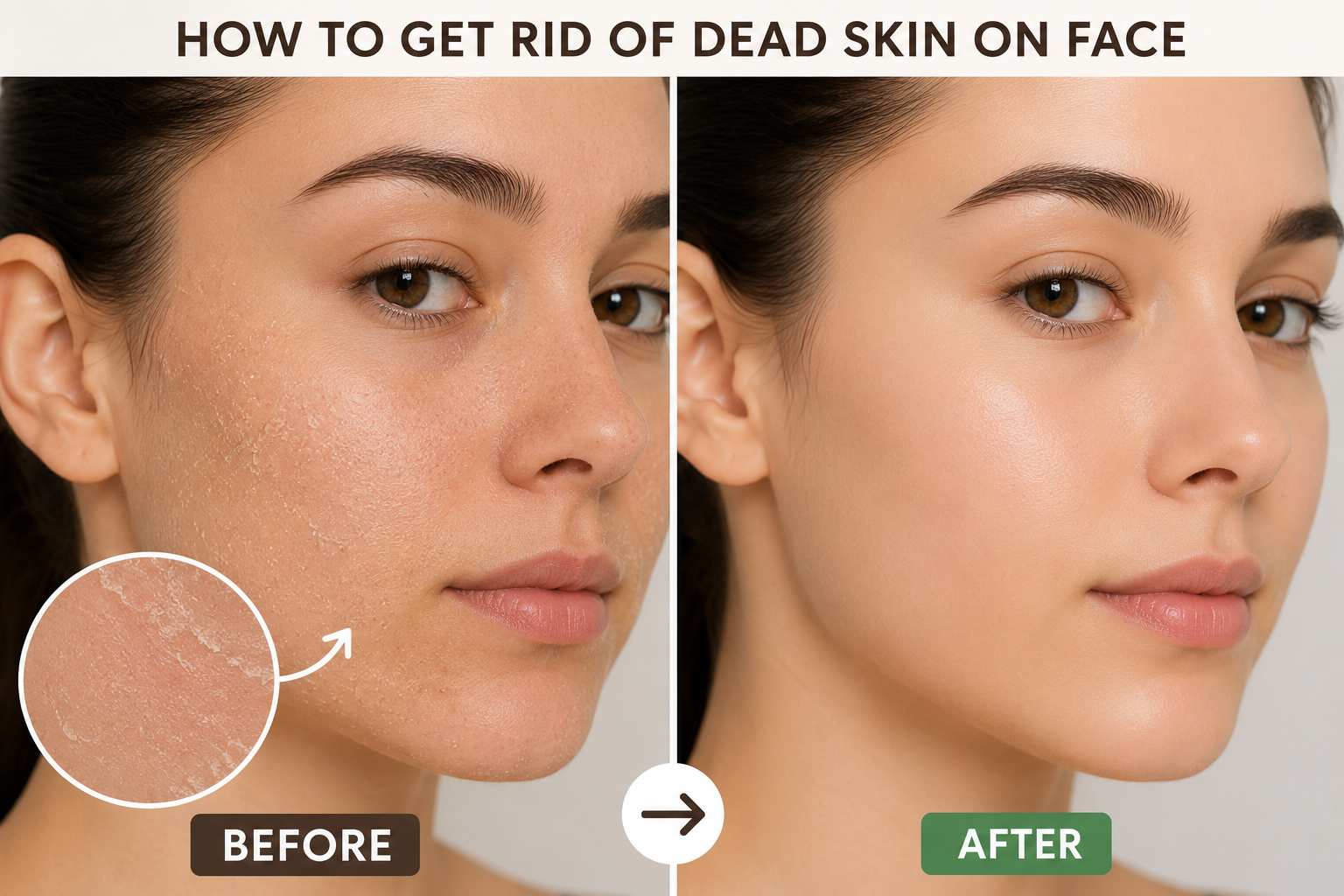
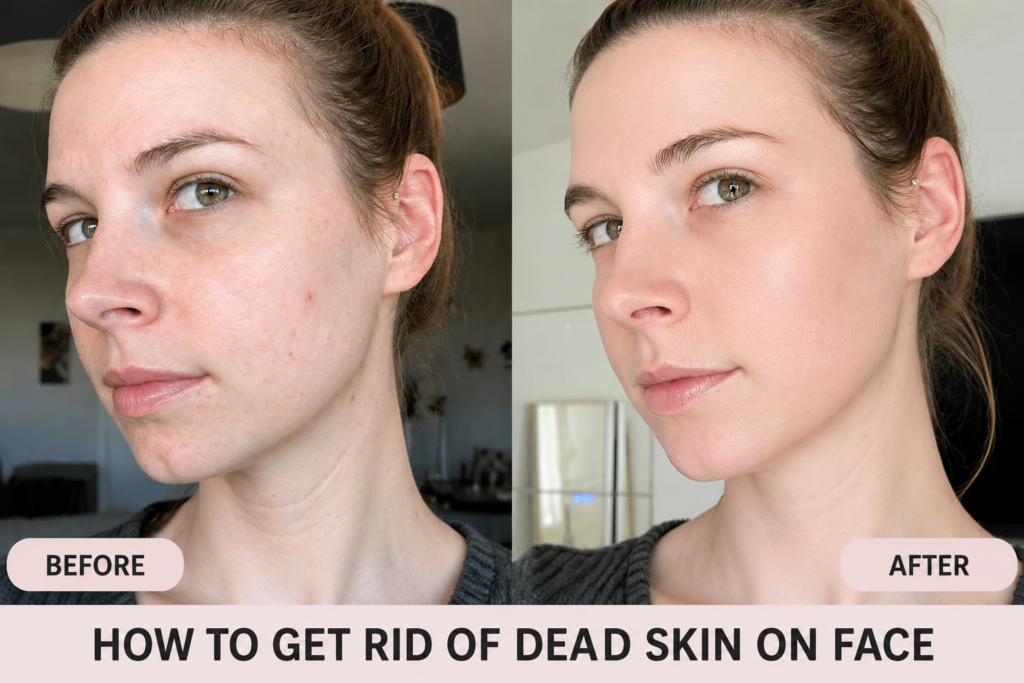
If you’re wondering how to get rid of dead skin on face, you’re not alone. Dead skin cells can make your face look dull, rough, flaky, and tired even if you wash it every day. Many people struggle with uneven skin texture, clogged pores, dry patches, and makeup that doesn’t sit smoothly because of dead skin buildup.
The good news is that learning how to get rid of dead skin on face isn’t difficult when you understand how your skin works and follow the right skincare routine. Healthy skin naturally sheds old cells and replaces them with fresh ones. However, factors like aging, pollution, harsh weather, dehydration, and improper skincare can slow this process, causing dead skin cells to accumulate on the surface.
In this complete guide, you’ll learn how to get rid of dead skin on face safely using dermatologist-recommended methods, gentle exfoliation techniques, effective skincare ingredients, and practical daily habits. Whether you have dry, oily, combination, sensitive, or acne-prone skin, this guide will help you achieve smoother, brighter, and healthier-looking skin.
What Is Dead Skin on the Face?
Your skin constantly renews itself through a process known as the skin cell turnover cycle. Every few weeks, old skin cells naturally die and are replaced with new ones produced in the deeper layers of the skin.
Normally, these dead cells fall off on their own. But when they remain attached to the skin’s surface, they begin to build up. This buildup is commonly referred to as dead skin.
Understanding how to get rid of dead skin on face starts with recognizing that dead skin is completely natural. The problem occurs only when too many dead cells accumulate and prevent fresh skin from being revealed.
How Does Skin Renewal Work?
Your skin is made of several layers.
The outermost layer, called the epidermis, contains skin cells that gradually move upward as new cells form beneath them.
The process looks like this:
- New skin cells develop in the lower epidermis.
- They slowly travel toward the surface.
- Older cells become flat and dry.
- These cells naturally shed.
- Fresh skin appears underneath.
For younger adults, this cycle usually takes around 28 to 30 days.
As we age, the process slows down.
People over 40 may experience skin renewal every 40–60 days, making dead skin much more noticeable.
Why Does Dead Skin Build Up?
Several factors interfere with your skin’s natural shedding process.
1. Aging
One of the biggest reasons people search for how to get rid of dead skin on face is aging.
As collagen production decreases, skin renewal slows down.
This leads to:
- Dull complexion
- Rough texture
- Fine lines
- Uneven skin tone
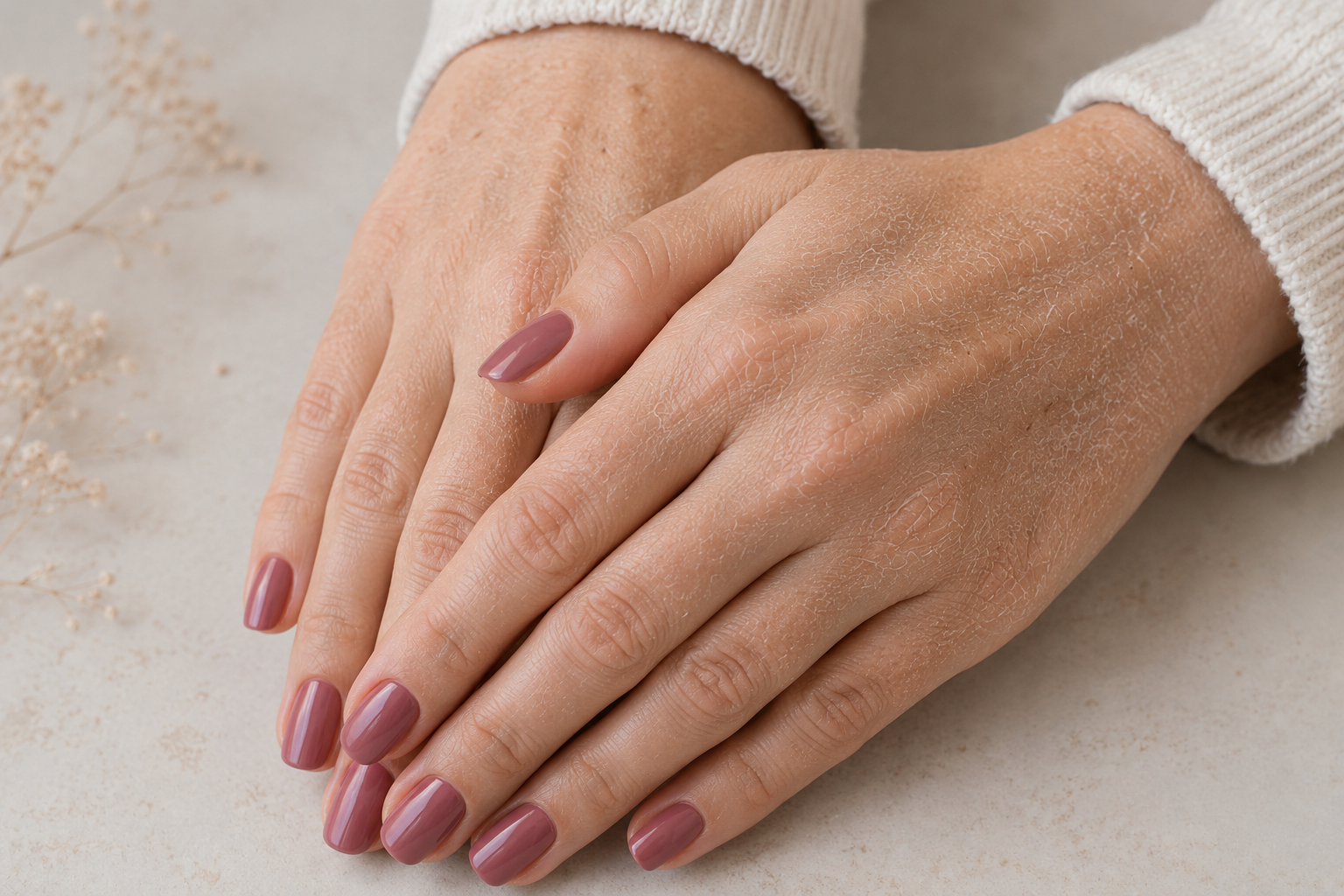
2. Dry Skin
Dry skin lacks enough natural oil.
Without sufficient moisture, dead skin cells stick together instead of falling away naturally.
Common signs include:
- White flakes
- Tightness
- Rough patches
- Itching
3. Cold Weather
Winter air contains very little humidity.
Cold temperatures combined with indoor heating remove moisture from your skin, making dead skin much more visible.
4. Sun Damage
UV rays damage healthy skin cells and weaken your skin barrier.
Over time this slows skin renewal and causes rough patches.
5. Pollution
Dust, smoke, dirt, and environmental pollutants settle on the skin every day.
When mixed with oil and sweat, they trap dead skin cells and clog pores.
6. Harsh Skincare Products
Products containing high amounts of alcohol, strong fragrances, or irritating ingredients can damage the skin barrier.
This often causes dryness and flaky skin.
7. Dehydration
Your skin reflects what’s happening inside your body.
Not drinking enough water may contribute to:
- Dry skin
- Tightness
- Rough texture
8. Not Exfoliating
Perhaps the most common reason dead skin builds up is simply not removing it.
If you never exfoliate, old cells continue piling up on your skin’s surface.
Signs You Have Dead Skin on Your Face
Not sure whether dead skin is causing your skin problems?
Here are the most common symptoms.
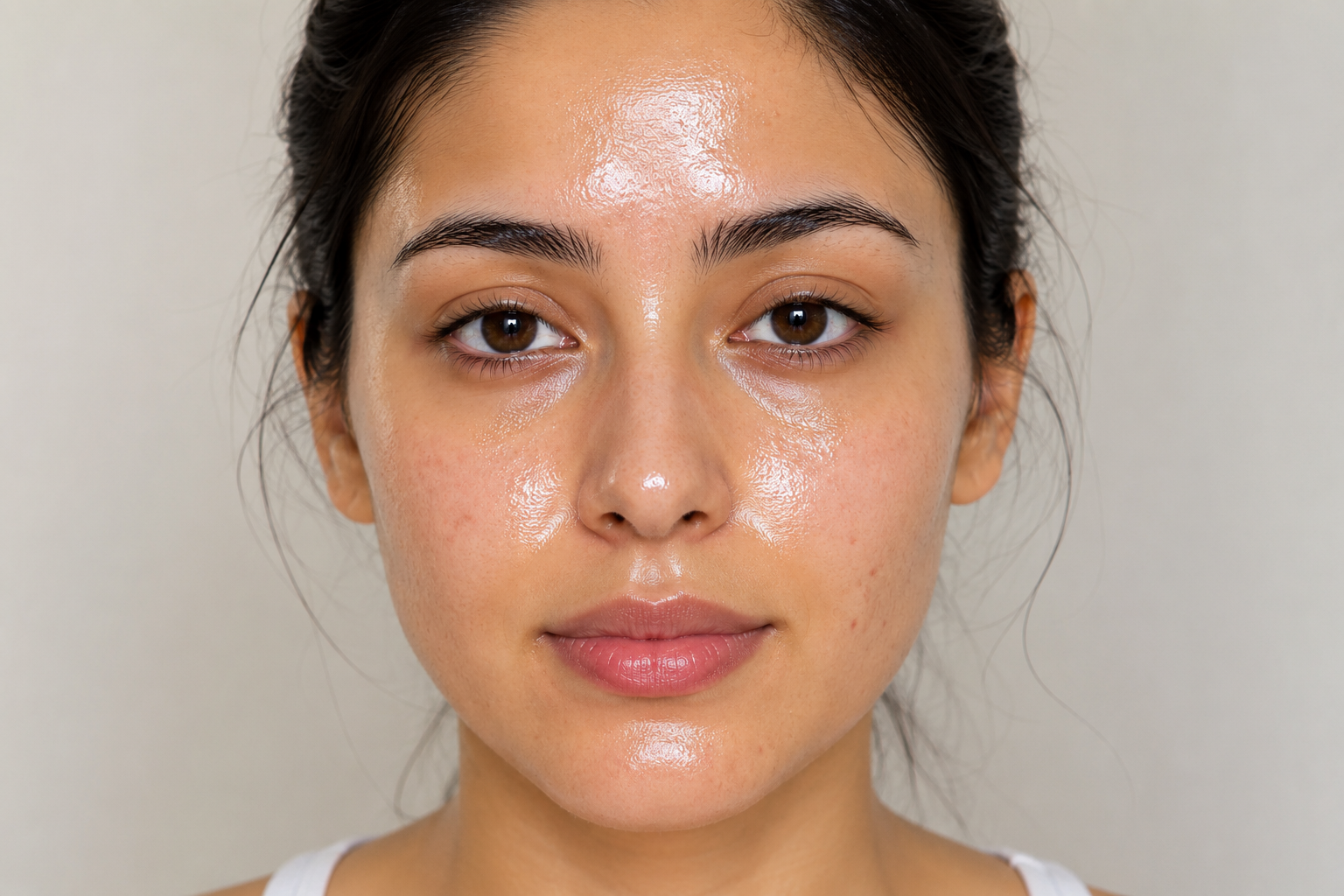
Dull Skin
Healthy skin reflects light naturally.
Dead skin blocks this reflection, making your complexion appear tired.
Flaky Patches
Small white flakes usually appear around:
- Nose
- Chin
- Eyebrows
- Forehead
- Mouth
Rough Texture
Your face may feel uneven instead of soft.
Makeup Looks Patchy
Foundation often sticks to dry patches.
Concealer may appear cakey.
Clogged Pores
Dead skin mixes with oil.
This blocks pores and increases the chances of:
- Blackheads
- Whiteheads
- Acne
Uneven Skin Tone
Dead skin prevents fresh skin from showing through.
Your complexion may appear darker or patchy.
Benefits of Removing Dead Skin
Learning how to get rid of dead skin on face offers many skincare benefits.
Brighter Skin
Fresh skin cells reflect more light.
This gives your complexion a healthy glow.
Softer Texture
Removing dead cells leaves skin feeling smooth.
Better Moisturizer Absorption
Moisturizers work much better when dead skin isn’t blocking the surface.
Fewer Breakouts
Removing excess dead skin helps keep pores clear.
Improved Makeup Application
Foundation blends evenly without clinging to dry areas.
Healthier Skin Barrier
Gentle exfoliation encourages balanced skin renewal.
How to Get Rid of Dead Skin on Face Safely
Many people scrub aggressively, believing harder is better.
This is one of the biggest skincare mistakes.
Instead, follow gentle methods.
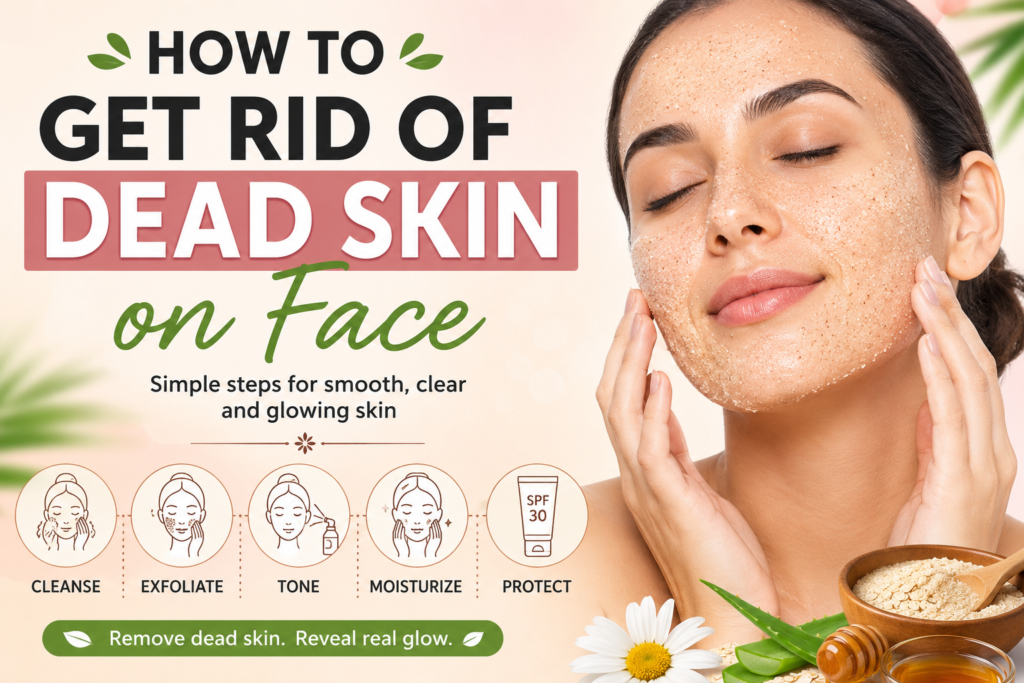
Method 1: Cleanse Your Face Properly
Before exfoliating, always start with a gentle cleanser.
A good cleanser removes:
- Dirt
- Sweat
- Sunscreen
- Makeup
- Oil
without damaging your skin barrier.
Choose a cleanser that is:
- Sulfate-free
- Fragrance-free (if sensitive)
- pH balanced
Wash your face twice daily using lukewarm—not hot—water.
Method 2: Exfoliate the Right Way
The most effective answer to how to get rid of dead skin on face is proper exfoliation.
Exfoliation removes dead skin before it clogs pores.
There are two main types.
Physical Exfoliation
Physical exfoliation uses gentle particles or tools.
Examples include:
- Soft facial scrubs
- Silicone cleansing brushes
- Microfiber cloths
- Exfoliating powders
Best for:
- Normal skin
- Combination skin
- Oily skin
Avoid harsh walnut shell scrubs or large, rough particles that can damage the skin.
Chemical Exfoliation
Despite the name, chemical exfoliation is often gentler.
It dissolves the bonds holding dead skin cells together.
Common exfoliating acids include:
Glycolic Acid
Excellent for:
- Dull skin
- Fine lines
- Uneven texture
Lactic Acid
Ideal for:
- Dry skin
- Sensitive skin
Because it exfoliates while also attracting moisture.
Salicylic Acid
Best for:
- Oily skin
- Acne-prone skin
- Blackheads
It works inside pores.
Mandelic Acid
A gentler option suitable for beginners and sensitive skin.
Best Exfoliating Ingredients for Every Skin Type
If you want to know how to get rid of dead skin on face effectively, choosing the right exfoliating ingredient is just as important as exfoliating itself. Every skin type has different needs, and using the wrong ingredient can lead to irritation, redness, or excessive dryness.
For Dry Skin
Dry skin benefits from gentle exfoliants that remove dead skin while helping the skin retain moisture.
The best ingredients include:
- Lactic acid
- Polyhydroxy acids (PHAs)
- Hyaluronic acid
- Ceramides
- Glycerin
These ingredients gently remove dead skin cells without stripping away the skin’s natural protective barrier.
For Oily Skin
Oily skin usually produces excess sebum, making pores more likely to become clogged with dead skin.
Look for:
- Salicylic acid (BHA)
- Niacinamide
- Clay
- Zinc PCA
These ingredients help dissolve oil inside pores while reducing blackheads and breakouts.
For Combination Skin
Combination skin requires a balanced approach.
The best options are:
- Mandelic acid
- Lactic acid
- Niacinamide
These ingredients exfoliate oily areas without overdrying the cheeks.
For Sensitive Skin
Sensitive skin should always avoid aggressive scrubs.
Choose:
- PHAs
- Mandelic acid
- Oat extract
- Aloe vera
These ingredients provide gentle exfoliation while reducing irritation.
For Mature Skin
As skin ages, cell turnover naturally slows.
Helpful ingredients include:
- Glycolic acid
- Retinol (used on separate nights from exfoliating acids)
- Peptides
- Vitamin C
These ingredients improve skin renewal and brighten a dull complexion.
How Often Should You Exfoliate?
One of the biggest mistakes people make when learning how to get rid of dead skin on face is exfoliating too often.
Follow these general recommendations:
- Dry skin: Once a week
- Sensitive skin: Once every 7–10 days
- Normal skin: 1–2 times weekly
- Combination skin: Twice weekly
- Oily skin: 2–3 times weekly if tolerated
Your skin should feel soft and smooth after exfoliation—not tight, burning, or painful.
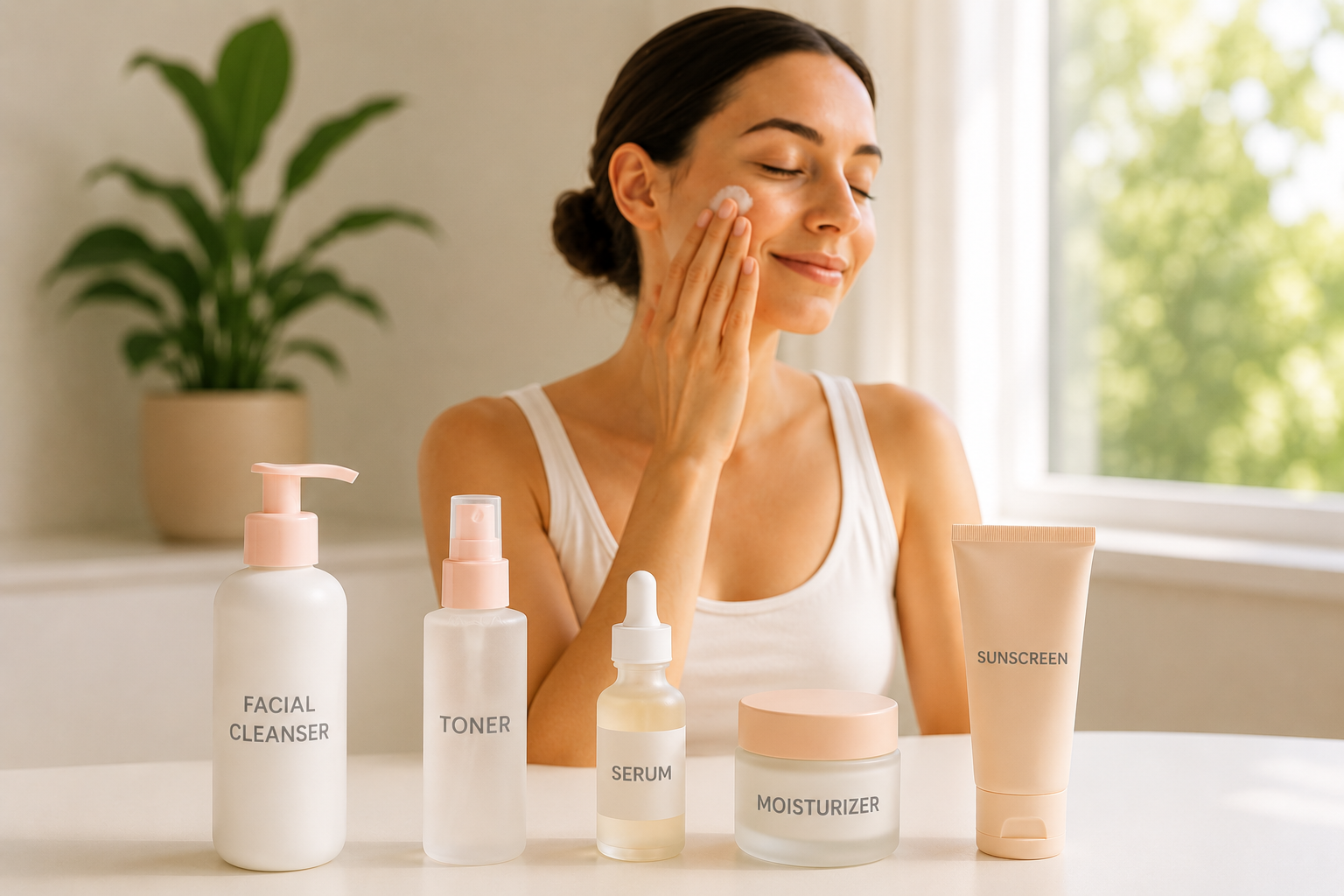
Morning Skincare Routine
A consistent morning routine helps prevent dead skin buildup and keeps your skin healthy throughout the day.
Step 1: Wash your face with a gentle cleanser.
Step 2: Apply a hydrating toner if your skin needs extra moisture.
Step 3: Use a vitamin C serum to brighten the complexion and protect against environmental damage.
Step 4: Apply a lightweight moisturizer suitable for your skin type.
Step 5: Finish with a broad-spectrum sunscreen (SPF 30 or higher). Sunscreen is essential because freshly exfoliated skin is more sensitive to UV damage.
Night Skincare Routine
Nighttime is when your skin naturally repairs itself.
A simple routine includes:
- Gentle cleanser
- Exfoliating product (only on exfoliation nights)
- Hydrating serum
- Moisturizer
- Facial oil if your skin is very dry
Avoid using strong exfoliating acids and retinol together on the same night unless advised by a dermatologist.
Natural Ways to Help Remove Dead Skin
Many people search for natural methods when looking for how to get rid of dead skin on face. While some home remedies can be helpful, they should always be gentle and used with care.
Oatmeal
Finely ground oatmeal gently buffs away dead skin while calming irritation. It is especially suitable for sensitive and dry skin.
Aloe Vera
Pure aloe vera gel hydrates the skin and supports the natural healing process, making it useful after exfoliation.
Honey
Honey is a natural humectant that attracts moisture and leaves the skin soft while providing mild antibacterial benefits.
Yogurt
Plain yogurt contains lactic acid, which provides very gentle exfoliation and improves skin texture over time.
Papaya
Papaya contains the enzyme papain, which helps loosen dead skin cells and encourages smoother skin.
Natural Remedies to Avoid
Not every DIY skincare recipe is safe.
Avoid using:
- Undiluted lemon juice
- Baking soda
- Toothpaste
- Rough sugar scrubs
- Coarse salt on the face
These ingredients can damage the skin barrier, increase sensitivity, and cause irritation.
Common Mistakes That Make Dead Skin Worse
Many people accidentally make their skin condition worse while trying to improve it.
Avoid these common mistakes:
- Over-exfoliating
- Scrubbing too hard
- Using very hot water
- Skipping moisturizer after exfoliation
- Forgetting sunscreen
- Using multiple exfoliating products together
- Picking or peeling flaky skin with your fingers
Gentle, consistent skincare always gives better long-term results than aggressive treatments.
Foods That Support Healthy Skin
Healthy skin also depends on proper nutrition.
Include foods rich in:
- Vitamin A
- Vitamin C
- Vitamin E
- Omega-3 fatty acids
- Zinc
- Protein
- Antioxidants
Drink enough water throughout the day to support overall skin hydration.
Signs You Are Over-Exfoliating
Exfoliation should improve your skin, not damage it.
Watch for these warning signs:
- Persistent redness
- Burning sensation
- Increased sensitivity
- Tightness
- Peeling beyond normal flaking
- Breakouts after every exfoliation session
If you notice these symptoms, stop exfoliating for several days and focus on moisturizing and repairing your skin barrier.
When Should You See a Dermatologist?
Although learning how to get rid of dead skin on face can solve most mild cases, some situations require professional medical advice.
Consult a dermatologist if:
- Dry patches continue for several weeks.
- Your skin becomes painful or bleeds.
- You have severe eczema or psoriasis.
- Home treatments do not improve your skin.
- You experience repeated skin infections.
- Flaking is accompanied by severe itching or swelling.
A dermatologist can identify underlying skin conditions and recommend prescription treatments if needed.
Frequently Asked Questions About How to Get Rid of Dead Skin on Face
Can I exfoliate my face every day?
No. Even if you are trying to learn how to get rid of dead skin on face, exfoliating every day is not recommended for most people. Over-exfoliation can damage your skin barrier, leading to redness, irritation, dryness, and sensitivity.
A safer schedule is:
- Oily skin: 2–3 times per week
- Combination skin: 2 times per week
- Normal skin: 1–2 times per week
- Dry or sensitive skin: Once per week
Always observe how your skin reacts and adjust accordingly.
Is dead skin the same as dry skin?
No. They are related but different.
Dead skin refers to old skin cells that remain on the skin’s surface instead of shedding naturally.
Dry skin is a skin type or condition where the skin lacks enough moisture or natural oils.
Many people searching for how to get rid of dead skin on face actually have both problems at the same time. Hydrating the skin while gently exfoliating usually produces the best results.
Can dead skin clog pores?
Yes. Dead skin cells often combine with excess oil and dirt, leading to:
- Blackheads
- Whiteheads
- Acne
- Enlarged pores
- Rough skin texture
Regular exfoliation helps reduce clogged pores and improves overall skin clarity.
Does drinking water remove dead skin?
Drinking enough water keeps your body hydrated and supports healthy skin function, but it does not directly remove dead skin cells.
To effectively solve how to get rid of dead skin on face, combine proper hydration with:
- Gentle cleansing
- Regular exfoliation
- Daily moisturizing
- Sun protection
Can I remove dead skin overnight?
No product can completely remove months of dead skin buildup overnight.
However, using a gentle exfoliant followed by a hydrating moisturizer before bed can make your skin feel noticeably smoother the next morning.
Healthy skin improvement happens gradually with consistent care.
Common Mistakes That Make Dead Skin Worse
Many people unknowingly make their skin condition worse while trying to improve it.
Avoid these common mistakes:
Scrubbing Too Hard
Aggressive scrubbing causes tiny skin injuries.
Instead, massage gently using light circular motions for less than one minute.
Using Harsh Soap
Strong soaps strip away natural oils.
Choose a mild cleanser designed for facial skin.
Skipping Moisturizer
Exfoliation without moisturizing leaves skin dry and irritated.
Always apply moisturizer immediately after exfoliating.
Ignoring Sunscreen
Freshly exfoliated skin becomes more sensitive to sunlight.
Apply SPF 30 or higher every morning.
Overusing Exfoliating Acids
Using glycolic acid, lactic acid, salicylic acid, and scrubs together can damage the skin barrier.
Stick to one exfoliating product at a time.
Picking Flaky Skin
Never peel loose skin with your fingers.
This can lead to:
- Bleeding
- Infection
- Dark spots
- Scarring
Let the skin shed naturally.
Lifestyle Tips for Healthy Skin
If you truly want lasting results while learning how to get rid of dead skin on face, healthy daily habits matter just as much as skincare products.
Drink Plenty of Water
Hydrated skin looks healthier and softer.
Aim for 8–10 glasses of water daily.
Eat Skin-Friendly Foods
Choose foods rich in:
- Vitamin A
- Vitamin C
- Vitamin E
- Zinc
- Omega-3 fatty acids
Good options include:
- Carrots
- Sweet potatoes
- Spinach
- Salmon
- Eggs
- Avocados
- Nuts
- Berries
Sleep Well
Your skin repairs itself while you sleep.
Aim for 7–9 hours every night.
Exercise Regularly
Exercise improves blood circulation.

Better circulation helps deliver nutrients and oxygen to skin cells.
Avoid Smoking
Smoking reduces collagen production and slows skin renewal.
This increases dullness and dead skin buildup.
Limit Alcohol
Alcohol dehydrates the skin, making flaking worse.
Drink water alongside alcoholic beverages if consumed.
When Should You See a Dermatologist?
Sometimes home care isn’t enough.
Consult a dermatologist if you experience:
- Severe peeling
- Painful cracking
- Persistent redness
- Bleeding skin
- Swelling
- Infection
- Thick scaly patches
- Dry skin lasting more than several weeks
Underlying conditions such as eczema, psoriasis, fungal infections, allergies, or dermatitis may require prescription treatment.
Weekly Skincare Routine to Remove Dead Skin
Here’s a simple routine that supports healthy skin renewal.
Morning
- Gentle cleanser
- Vitamin C serum (optional)
- Moisturizer
- Sunscreen SPF 30+
Night
- Gentle cleanser
- Hydrating serum
- Moisturizer
Once or Twice Weekly
- Gentle exfoliator
- Hydrating face mask
- Moisturizer
This routine gradually improves skin texture without damaging the skin barrier.
Final Thoughts
If you’re wondering how to get rid of dead skin on face, remember that healthy skin doesn’t come from harsh scrubbing or using multiple exfoliants at once. Dead skin cells naturally build up over time, but with the right skincare routine, they can be removed safely and effectively.
The best approach includes cleansing your face with a gentle cleanser, exfoliating one or two times a week according to your skin type, moisturizing daily to strengthen the skin barrier, and applying sunscreen every morning to protect newly revealed skin. Drinking enough water, eating a nutrient-rich diet, getting quality sleep, and avoiding smoking also play an important role in maintaining smooth, radiant skin.
Whether you choose a mild physical scrub, a chemical exfoliant with AHAs or BHAs, or natural ingredients like oatmeal or papaya, consistency is the key to seeing long-term improvements. Avoid over-exfoliating, never pick at peeling skin, and always listen to your skin’s needs.
By following these simple yet effective tips, you’ll not only understand how to get rid of dead skin on face, but you’ll also enjoy healthier, softer, brighter, and more youthful-looking skin throughout the year.