Introduction
The traditional dress of French reflects centuries of history, regional identity, craftsmanship, and cultural pride. Unlike many countries that have one national costume, France is known for its diverse regional clothing traditions. Every province developed its own unique style of dress based on climate, local customs, available fabrics, and historical influences. From the elegant lace headdresses of Brittany to the colorful bows of Alsace, each traditional outfit tells a story about the people who wore it.
Today, most French people wear modern Western clothing in their daily lives. However, the traditional dress of French continues to play an important role during folk festivals, cultural celebrations, historical reenactments, and regional ceremonies. These beautiful garments preserve local traditions and remind younger generations of France’s rich cultural heritage.
This guide explores the fascinating history, characteristics, and regional diversity of the traditional dress of French, helping you understand why these costumes remain valuable symbols of French identity.
The History of Traditional Dress of French
The history of the traditional dress of French dates back hundreds of years. During the Middle Ages, clothing was mainly designed for practicality. People wore garments made from natural materials such as linen, wool, and hemp because these fabrics were readily available and suitable for the local climate.
As France became wealthier during the Renaissance and later centuries, clothing evolved into a symbol of social status. Wealthy families wore luxurious fabrics such as silk and velvet decorated with embroidery, lace, pearls, and ribbons. Meanwhile, ordinary farmers and craftsmen continued wearing simpler garments made from wool and linen.
Unlike countries with a single national costume, France developed different regional costumes because each province had its own traditions, economy, and cultural influences. Before the French Revolution, France consisted of many historical provinces, each with unique customs and styles of clothing.
Over time, these regional costumes became symbols of local identity. Women often spent months creating handmade dresses using traditional sewing and embroidery techniques that were passed from one generation to another.
During the nineteenth century, industrialization and urbanization gradually replaced traditional clothing with factory-made garments. As more people moved to cities, regional costumes became less common for everyday life. However, many communities continued wearing them during religious celebrations, weddings, harvest festivals, and folk dances.
Today, the traditional dress of French survives mainly through cultural organizations, museums, dance groups, and annual festivals that celebrate France’s regional heritage.
What Makes the Traditional Dress of French Unique?
One of the reasons the traditional dress of French is admired around the world is its incredible regional diversity. Instead of following one design, every province developed clothing that reflected its own history and environment.
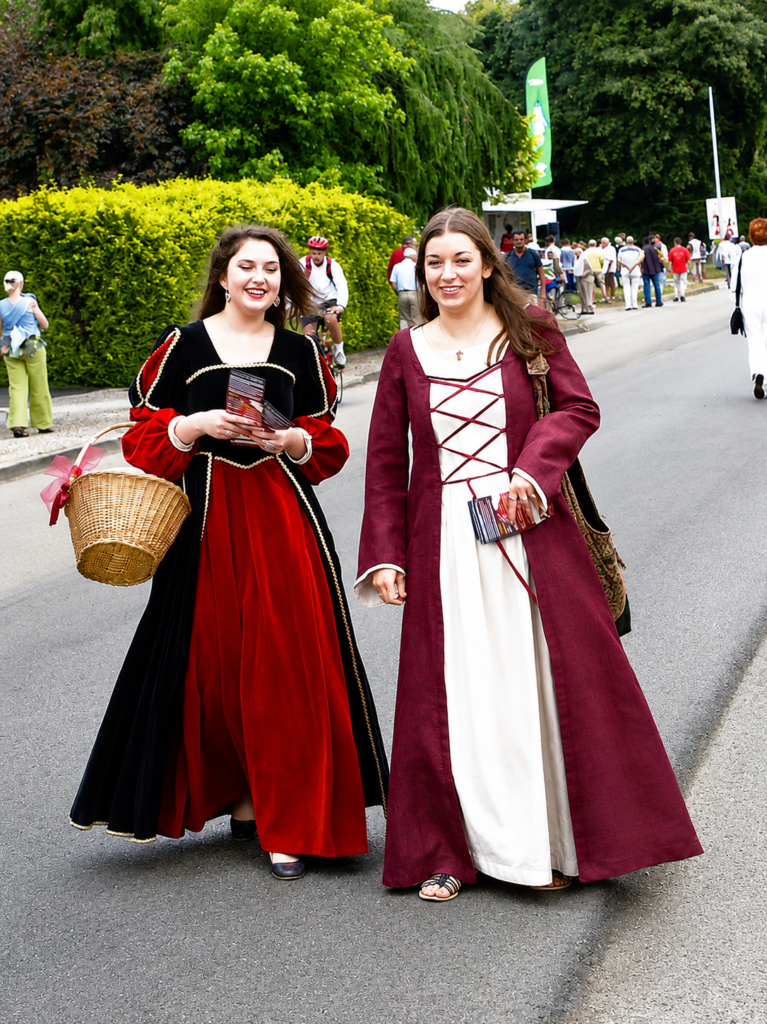
Some common features appear in many traditional French costumes:
- Long full skirts
- Fitted bodices
- White blouses
- Decorative aprons
- Lace or embroidered head coverings
- Handmade embroidery
- High-quality natural fabrics
- Regional colors and patterns
Each costume also included accessories that completed the overall appearance, such as shawls, ribbons, stockings, leather shoes, jewelry, or decorative hats.
Another unique characteristic is that many garments were entirely handmade. Women carefully stitched embroidery, lace, and pleats using techniques that required years of practice. These sewing skills were often taught by mothers and grandmothers within families
Fabrics Used in Traditional Dress of French
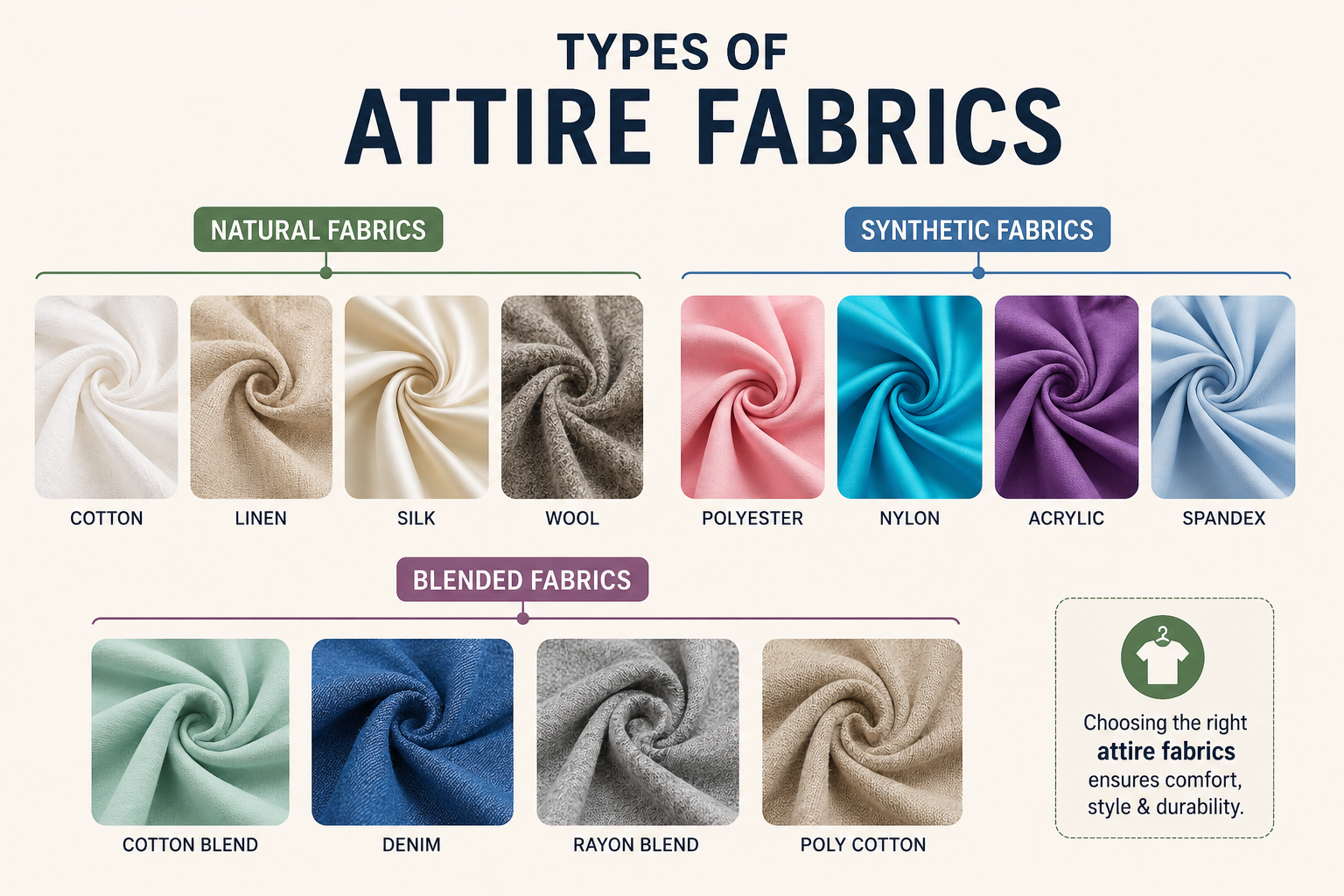
Natural materials have always played an important role in the traditional dress of French. Before modern textile factories existed, people used fabrics produced locally.
The most common materials included:
Linen
Linen was widely used because flax was grown throughout many French regions. It was breathable, lightweight, and comfortable during warm weather. White linen blouses became an essential part of many traditional costumes.
Wool
Wool was especially popular in colder regions such as Brittany, Normandy, and the mountainous areas of eastern France. It provided warmth and durability for everyday work.
Cotton
As cotton became more available during the eighteenth and nineteenth centuries, it was commonly used for skirts, aprons, and dresses because it was comfortable and easy to wash.
Silk
Silk represented wealth and elegance. Wealthier families often wore silk bodices, ribbons, scarves, and decorative aprons for weddings and important celebrations.
Velvet
Velvet added luxury to many regional costumes. Richly colored velvet bodices decorated with embroidery became popular in several provinces, especially Alsace and Normandy.
Traditional Colors and Decorations
Colors in the traditional dress of French often represented regional traditions rather than fashion trends.
Some regions preferred darker colors because they were practical for daily work, while others celebrated bright colors during festivals.
Popular traditional colors included:
- White
- Black
- Navy blue
- Deep red
- Burgundy
- Dark green
- Gold
- Brown
Embroidery played an important decorative role. Floral patterns, vines, leaves, geometric shapes, and religious symbols were carefully stitched onto aprons, bodices, and sleeves.
Lace was another important feature. Handmade lace decorated collars, sleeves, cuffs, and especially women’s headdresses. In some regions, the lace headpiece became the most recognizable part of the entire costume.
Traditional Dress of French Women
Women’s clothing formed the most elaborate part of the traditional dress of French. Although every region had its own variations, several garments appeared repeatedly throughout France.
White Blouse
Most traditional outfits started with a white blouse made from linen or cotton. These blouses often featured puffed sleeves, lace collars, and delicate embroidery around the neckline.
Fitted Bodice
The bodice was worn over the blouse and closely fitted around the upper body. Depending on the region, it was made from velvet, wool, silk, or cotton. Decorative embroidery, ribbons, and buttons added elegance.
Full Skirt
The long full skirt was one of the most recognizable elements of traditional French clothing. Skirts usually reached the ankles and allowed freedom of movement during work, festivals, and traditional dances.
Apron
Aprons served both practical and decorative purposes. Working women used simple aprons during daily life, while embroidered silk or lace aprons were reserved for Sundays, weddings, and celebrations.
Head Covering
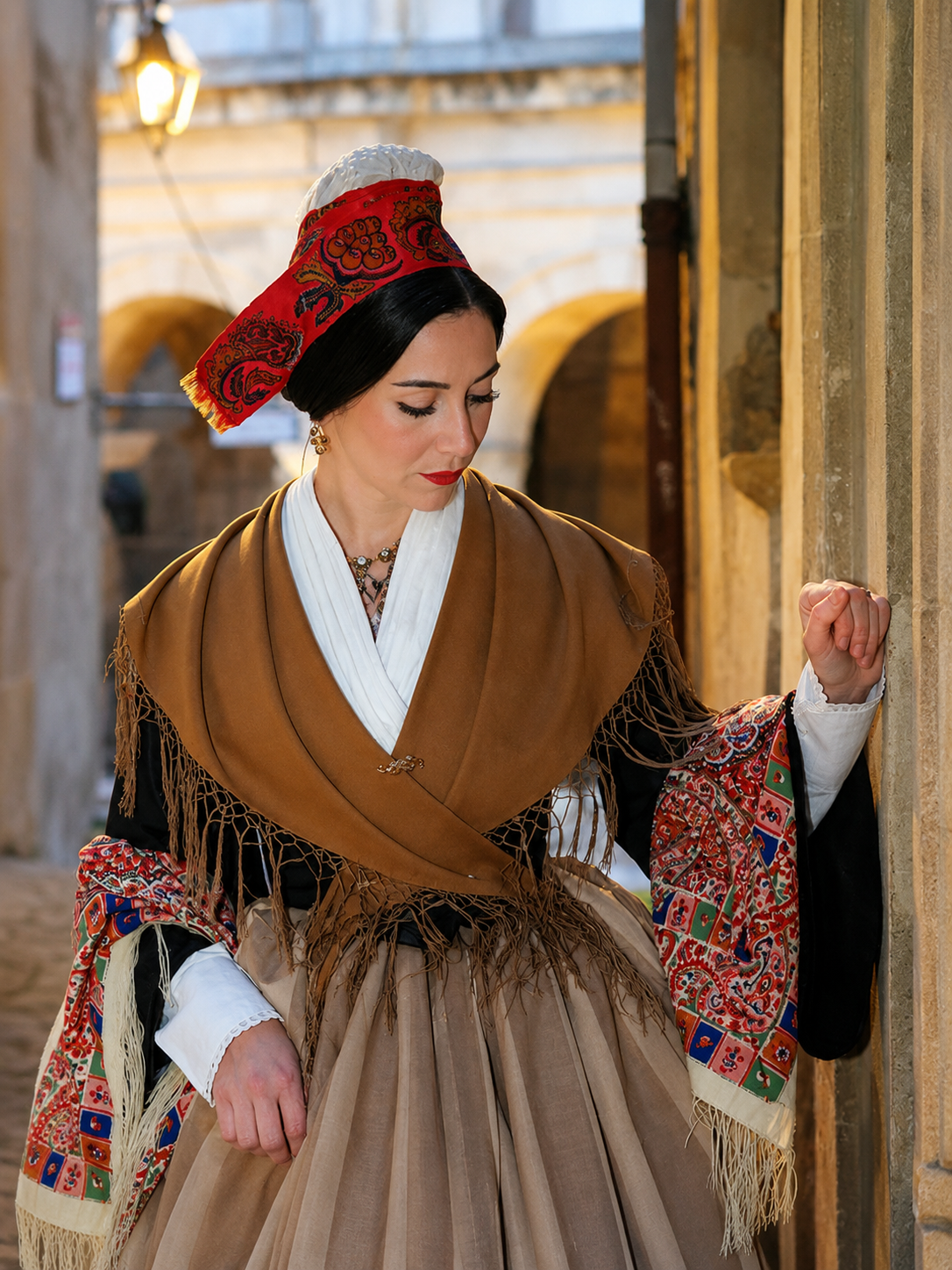
Perhaps the most distinctive feature of the traditional dress of French was the head covering. Different regions created unique lace caps, bonnets, ribbons, and coifs that immediately identified a woman’s place of origin.
In some villages, the size and style of the headpiece even indicated age, marital status, or religious background.
Traditional Dress of French Men
Although women’s costumes attract more attention, men’s traditional clothing also varied across France.
A typical men’s outfit often included:
- White linen shirt
- Embroidered waistcoat
- Wool or velvet jacket
- Knee-length or full trousers
- Leather belt
- Wool stockings
- Leather shoes
- Broad-brimmed hat or beret
In farming communities, clothing emphasized durability and comfort. During festivals, however, embroidered jackets, decorative buttons, colorful waistcoats, and fine hats created a much more elegant appearance.
In regions like Brittany, men’s costumes often included beautifully embroidered jackets that displayed remarkable craftsmanship and local pride.
Famous Regional Styles of Traditional Dress of French
One of the most remarkable features of the traditional dress of French is that France does not have a single national costume. Instead, every historical province developed its own unique clothing style based on geography, local traditions, occupation, climate, and cultural influences. These regional costumes are among the richest examples of European folk clothing and continue to be worn during festivals, cultural celebrations, and traditional dance performances.
Below are some of the most famous regional styles that make the traditional dress of French so diverse and fascinating.
Traditional Dress of French in Brittany
Brittany, located in northwestern France, is perhaps the most famous region for traditional French clothing. The Breton people have a strong Celtic heritage, and their costumes are recognized throughout the world.
The women’s costume usually includes a white embroidered blouse, a fitted bodice, a full dark-colored skirt, and a beautifully decorated apron. The most recognizable feature is the coiffe, an elaborate lace headdress that varies from village to village. Some coiffes are small and simple, while others are tall and highly detailed, requiring considerable skill to create and wear.
Men traditionally wear white shirts with embroidered waistcoats, dark trousers, short jackets, and broad-brimmed hats. Many jackets feature colorful embroidery that reflects local craftsmanship.
The Breton costume remains one of the strongest symbols of the traditional dress of French and is still proudly worn during folk festivals known as pardons, music events, and cultural celebrations.
Traditional Dress of French in Alsace
The Alsace region, located along France’s eastern border with Germany, has one of the most recognizable traditional costumes in the country. Because of its long history under both French and German influence, Alsatian clothing combines elements of both cultures.
Women’s traditional clothing consists of a fitted velvet bodice, a long pleated skirt, a white blouse with puffed sleeves, and a decorative apron. Rich embroidery and fine fabrics are common features, especially for festive occasions.
The most famous element of the Alsatian costume is its large bow-shaped black headdress. Although many people consider this ribbon to represent all of Alsace, historical costumes actually varied from village to village, and styles often reflected religious traditions or local customs.
Men usually wear dark trousers, white shirts, waistcoats, and black jackets with wide-brimmed hats.
Today, the Alsatian costume is commonly seen during Christmas markets, harvest festivals, wine celebrations, and cultural events, making it an important part of the traditional dress of French.
Dress of French in Normandy
Normandy is famous not only for its rich history but also for its elegant traditional clothing. The region’s costumes are especially admired for their delicate lace craftsmanship.
Women’s dresses include long skirts, fitted bodices, white blouses, embroidered aprons, and beautifully made lace bonnets or headdresses. Some Norman headdresses are exceptionally tall and decorated with intricate lace that requires many hours of careful handwork.
The clothing colors are generally elegant and understated, featuring shades of black, white, navy blue, burgundy, and dark green.
Traditional Norman men’s clothing includes white shirts, waistcoats, jackets, dark trousers, and hats suited to rural life.
The Normandy costume represents refinement, craftsmanship, and regional pride, making it one of the most admired examples of the traditional dress of French.
Traditional Dress of French in Provence
Located in southeastern France, Provence is famous for its warm Mediterranean climate, lavender fields, vineyards, and colorful traditions. Unlike the darker clothing worn in northern regions, Provençal costumes are lighter, brighter, and more colorful.
Women’s traditional outfits often feature lightweight cotton or linen dresses with floral prints, fitted bodices, colorful aprons, delicate shawls, and scarves tied gracefully around the head or neck. Bright yellows, blues, reds, lavender shades, and floral patterns reflect the sunny landscape of southern France.
Men traditionally wear linen shirts, waistcoats, wide-brimmed hats, sashes, and comfortable trousers suitable for agricultural work.
The cheerful appearance of Provençal clothing makes it one of the most distinctive styles within the traditional dress of French, representing the relaxed lifestyle and artistic spirit of southern France.
Traditional Dress of French in the Basque Country
The French Basque Country lies in southwestern France near the Spanish border. The Basque people have maintained a unique language and culture for centuries, and their traditional clothing reflects this strong regional identity.
Women’s costumes generally include long pleated skirts, fitted bodices, embroidered blouses, colorful aprons, shawls, and headscarves. Fine embroidery and carefully folded pleats add elegance to the garments.
Men wear white shirts, dark trousers, waistcoats, sashes, and the famous Basque beret. The beret, originally worn by shepherds, later became one of the best-known symbols associated with French culture.
Traditional Basque costumes remain popular during village festivals, folk dances, and cultural celebrations, preserving an important chapter in the history of the traditional dress of French.
Traditional Dress of French in Corsica
Corsica, the Mediterranean island located southeast of mainland France, has developed its own distinctive clothing traditions influenced by both French and Italian cultures.
Women’s traditional clothing usually includes long dark skirts, embroidered bodices, white blouses, aprons, shawls, and modest head coverings. Black, deep brown, navy blue, and burgundy are commonly used colors, often enhanced with gold embroidery.
Men traditionally wear practical clothing suited to mountain life, including linen shirts, wool jackets, waistcoats, belts, dark trousers, and sturdy leather shoes.
Corsican costumes reflect the island’s rugged landscape, independent spirit, and rich cultural heritage. Even today, traditional clothing appears during local festivals and historical celebrations, contributing to the remarkable diversity of the traditional dress of French.
Traditional Accessories in the Traditional Dress of French
Accessories complete the beauty of the traditional dress of French and often carry special cultural meaning.
Some of the most common accessories include:
- Lace coiffes and bonnets
- Embroidered shawls
- Decorative silk scarves
- Aprons with floral embroidery
- Leather belts
- Wool stockings
- Wooden clogs or leather shoes
- Broad-brimmed hats
- Berets in some regions
- Handcrafted jewelry and brooches
Many of these accessories were handmade by local artisans using techniques passed down through generations. In several regions, embroidery and lace-making became respected artistic traditions that are still practiced today.
The combination of carefully crafted clothing and detailed accessories makes the traditional dress of French one of Europe’s most elegant and culturally significant folk costume traditions.
Traditional Dress of French in Festivals and Celebrations
Although the traditional dress of French is no longer part of everyday life, it continues to play an important role during cultural festivals, historical events, religious ceremonies, and regional celebrations. Across France, local communities proudly preserve their traditional clothing by wearing authentic costumes during annual festivals that celebrate regional identity and heritage.
In Brittany, colorful folk festivals feature women wearing elegant lace coiffes, embroidered aprons, and long skirts while performing traditional Breton dances. Alsace is famous for its Christmas markets and harvest festivals, where visitors can admire women dressed in their iconic black ribbon headdresses, fitted bodices, and richly decorated skirts. Normandy also celebrates its cultural traditions with folk music, dance performances, and historical reenactments where participants proudly wear traditional regional costumes.
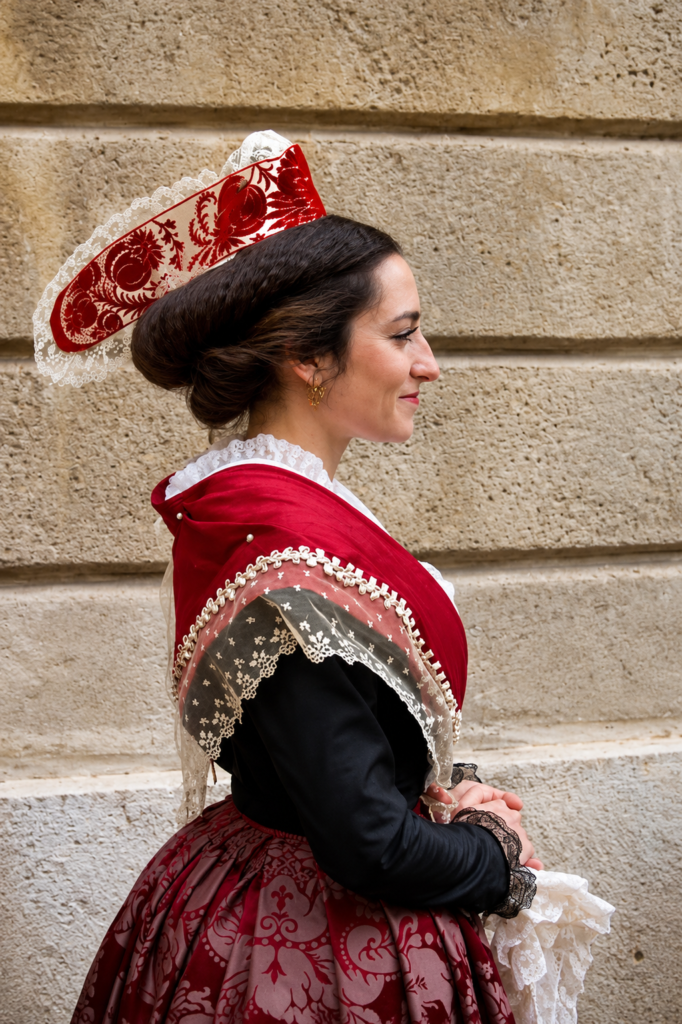
Wedding ceremonies in some rural communities also preserve elements of the traditional dress of French. Brides may wear family heirloom costumes that have been passed down through generations, while embroidered aprons, lace veils, and handcrafted accessories add authenticity to these celebrations. These occasions allow younger generations to connect with their cultural roots while keeping local traditions alive.
Many museums, folklore associations, dance groups, and cultural organizations continue to organize events where traditional clothing is displayed and explained to visitors. These activities ensure that regional costumes remain an active part of French cultural life rather than becoming forgotten historical artifacts.
Traditional Dress of French vs Modern French Fashion
France is widely recognized as one of the world’s leading fashion capitals. Cities such as Paris have shaped global fashion trends for centuries through luxury brands, haute couture, and internationally celebrated designers. However, modern French fashion differs greatly from the traditional dress of French.
Traditional clothing was primarily designed to represent regional identity, family heritage, and local customs. Every detail—from embroidery patterns to lace headdresses—had cultural significance and often indicated where a person came from or even their religious background.
Modern French clothing focuses more on simplicity, elegance, comfort, and individual style. Contemporary wardrobes typically include tailored jackets, dresses, trousers, jeans, shirts, and fashionable accessories that follow current international trends rather than regional traditions.
Despite these differences, many elements of traditional craftsmanship continue to influence French fashion. Techniques such as fine embroidery, lace making, high-quality tailoring, and the use of luxurious fabrics remain central to France’s reputation for excellence in clothing design.
Cultural Importance of the Traditional Dress of French
The traditional dress of French represents much more than attractive clothing. Each costume tells the story of a community, reflecting its history, geography, occupations, beliefs, and artistic traditions.
Before modern transportation connected different regions, clothing served as an important symbol of local identity. People could often identify someone’s home village simply by observing the style of their headdress, embroidery, or apron. Different colors, fabrics, and decorative patterns frequently represented age, marital status, religious affiliation, or social position within the community.
Traditional costumes also demonstrate the remarkable skills of French artisans. Lace makers, embroiderers, weavers, and tailors spent countless hours creating garments by hand using techniques passed down from one generation to the next. These crafts required patience, precision, and artistic talent that continue to be admired today.
By preserving regional costumes, France also preserves its cultural diversity. Although the country is united as one nation, its traditional clothing reminds people that each historical province has its own unique story and heritage.
Preservation of Traditional French Clothing
Many organizations throughout France work actively to preserve the traditional dress of French for future generations. Museums display carefully restored historical garments that help visitors understand how people dressed in different regions over the centuries.
Folklore groups continue to teach traditional dances while wearing authentic regional costumes. Cultural associations organize workshops where experienced artisans demonstrate embroidery, lace making, weaving, and traditional sewing techniques. Local festivals encourage young people to participate by wearing regional clothing and learning about their ancestors’ customs.
Some families also preserve traditional garments as valuable heirlooms. Dresses, shawls, aprons, and lace headdresses are often carefully stored and worn only during important family celebrations or regional festivals.
Modern historians, textile researchers, and fashion experts also contribute to preserving France’s clothing heritage by documenting regional costume variations, restoring antique garments, and publishing research about traditional craftsmanship.
Interesting Facts About the Traditional Dress of French
The traditional dress of French includes many fascinating details that highlight France’s rich cultural diversity.
- France has no single national traditional costume because every historical province developed its own unique style.
- Brittany is famous for its beautiful lace coiffes, some of which can be extremely tall and require special techniques to wear.
- Alsace is internationally recognized for its large black ribbon headdress, although many different local variations once existed.
- Traditional clothing often reflected occupation, religion, and family background rather than simply personal taste.
- Most garments were handmade using natural materials such as linen, wool, cotton, silk, and velvet.
- Fine embroidery and lace making became respected regional crafts that continue to be practiced today.
- Many traditional costumes survive because they were carefully preserved by families and local cultural organizations.
Frequently Asked Questions
What is the traditional dress of French?
The traditional dress of French refers to the collection of regional folk costumes worn throughout France. Rather than having one national costume, each historical province developed its own distinctive clothing style based on local traditions and culture.
Does France have a national costume?
No. France does not have one official national costume. Instead, regions such as Brittany, Alsace, Normandy, Provence, Corsica, and the Basque Country each have their own traditional clothing.
Is traditional French clothing still worn today?
Yes. Although it is no longer worn in everyday life, traditional clothing is still used during cultural festivals, folk dances, religious celebrations, historical events, and regional ceremonies.
What materials were commonly used?
Traditional garments were usually made from linen, wool, cotton, silk, and velvet. Decorative embroidery, handmade lace, ribbons, and fine stitching were also important features.
Which French region has the most famous traditional costume?
Brittany and Alsace are among the best-known regions. Brittany is celebrated for its elegant lace coiffes, while Alsace is recognized for its large black ribbon headdress and richly embroidered dresses.
Conclusion
The traditional dress of French is a remarkable expression of France’s cultural richness, regional diversity, and centuries-old craftsmanship. Rather than representing a single national outfit, French traditional clothing reflects the unique identity of each historical province through distinctive designs, fabrics, embroidery, and accessories.
Although modern fashion has largely replaced regional clothing in everyday life, these beautiful costumes continue to thrive through festivals, museums, folk performances, weddings, and cultural celebrations. They preserve the stories, traditions, and artistic skills of generations who carefully crafted each garment by hand.
Learning about the traditional dress of French offers more than an appreciation for historical fashion. It provides valuable insight into the customs, lifestyles, and heritage of the people who shaped France’s cultural identity. As local communities continue to preserve these remarkable traditions, the legacy of French regional costumes will remain an enduring symbol of the country’s history and artistic excellence for generations to come.