

Introduction
Learning how to wash your face may seem simple, but it is actually one of the most important steps in any skincare routine. Many people spend money on expensive serums, moisturizers, and treatments without realizing that healthy skin starts with proper cleansing. If you don’t know how to wash your face correctly, dirt, excess oil, makeup, sunscreen, sweat, and pollution can remain on your skin and lead to clogged pores, acne, dullness, irritation, and premature aging.
Whether you have oily, dry, combination, sensitive, or acne-prone skin, understanding how to wash your face properly can make a noticeable difference in your skin’s appearance. The right cleansing routine helps maintain your skin’s natural protective barrier while preparing your face for the rest of your skincare products.
Many people unknowingly make cleansing mistakes every day. Washing too often, using harsh cleansers, scrubbing aggressively, or using very hot water can all damage your skin instead of improving it. That’s why learning how to wash your face the correct way is essential for maintaining healthy, glowing skin.
In this complete beauty guide, you’ll discover the best techniques, common mistakes to avoid, dermatologist-inspired tips, and expert skincare advice that will help you master how to wash your face like a professional.
Why Learning How to Wash Your Face Is So Important
Your skin faces countless challenges throughout the day. Dust, pollution, excess oil, bacteria, makeup, sunscreen, and sweat build up on the skin’s surface. Without proper cleansing, these impurities remain trapped in your pores.
Knowing how to wash your face properly helps your skin by:
- Removing dirt and daily pollution
- Washing away excess oil
- Eliminating makeup residue
- Preventing clogged pores
- Reducing the risk of acne breakouts
- Supporting a healthy skin barrier
- Improving skin texture
- Creating a smoother complexion
- Helping skincare products absorb better
- Keeping skin fresh and comfortable
A proper cleansing routine is the foundation of beautiful skin.
What Happens If You Don’t Wash Your Face Properly?
Many people underestimate the importance of proper cleansing. If you don’t understand how to wash your face, several skin problems may develop over time.
These include:
- Dull-looking skin
- Rough skin texture
- Enlarged pores
- Blackheads
- Whiteheads
- Acne breakouts
- Excess oil production
- Dry patches
- Flaky skin
- Irritation
- Redness
- Premature signs of aging
Even if you don’t wear makeup, your skin still collects sweat, oil, bacteria, and environmental pollutants throughout the day.
How Your Skin Changes Throughout the Day
Understanding your skin helps explain why how to wash your face matters so much.
Throughout the day your skin naturally produces sebum, which keeps it moisturized. While this oil is important, too much sebum mixed with dirt and pollution can block pores.
Your skin also collects:
- Sweat
- Dead skin cells
- Dust
- Environmental pollutants
- Sunscreen residue
- Makeup
- Bacteria
Without proper cleansing, these impurities remain on your face and may affect your skin’s appearance.
The Beauty Benefits of Washing Your Face Correctly
Mastering how to wash your face offers many beauty benefits beyond simply having clean skin.
Brighter Skin
Removing dead skin cells and impurities helps reveal fresher, brighter-looking skin.
Better Hydration
A clean face absorbs moisturizers more effectively.
Improved Makeup Application
Foundation, concealer, and other makeup products apply more evenly on freshly cleansed skin.
Healthier Skin Barrier
Gentle cleansing supports your skin’s natural moisture barrier.
Fewer Breakouts
Removing excess oil and dirt helps reduce clogged pores.
Smoother Texture
Consistent cleansing keeps your skin feeling soft and refreshed.
Common Mistakes People Make When Washing Their Face
Even people who wash their face every day often make simple mistakes.
Using Hot Water
Very hot water removes natural oils that protect your skin.
Instead, use lukewarm water.
Scrubbing Too Hard
Many people think scrubbing deeply cleans the skin.
In reality, aggressive scrubbing causes irritation and weakens the skin barrier.
Always use gentle circular motions.
Washing Too Often
Another mistake is washing the face too many times.
Over-cleansing may cause:
- Dryness
- Tightness
- Irritation
- Increased oil production
For most people, washing twice daily is enough.
Choosing the Wrong Cleanser
Not every cleanser works for every skin type.
Using harsh products may leave your skin dry or irritated.
A gentle cleanser designed for your skin type usually delivers better results.
Forgetting Certain Areas
Many people clean only the center of the face.
Don’t forget:
- Hairline
- Jawline
- Nose
- Chin
- Neck
- Behind the ears
Signs You’re Washing Your Face the Right Way
If you know how to wash your face correctly, your skin should feel:
- Clean
- Fresh
- Comfortable
- Soft
- Balanced
Your skin should never feel extremely tight or painfully dry after cleansing.
Signs You’re Overwashing Your Face
Sometimes too much cleansing creates new skin problems.
Signs include:
- Dryness
- Flaking
- Redness
- Burning
- Tightness
- Increased sensitivity
- Irritation
If you notice these symptoms, consider simplifying your routine.
How Often Should You Wash Your Face?
One of the most common skincare questions is how often to cleanse.
For most skin types:
- Morning: Once
- Night: Once
If you exercise heavily or sweat a lot, washing your face afterward can also help remove sweat and impurities.
People with very dry skin may find that a gentler morning routine works best, while oily skin often benefits from cleansing both morning and evening.
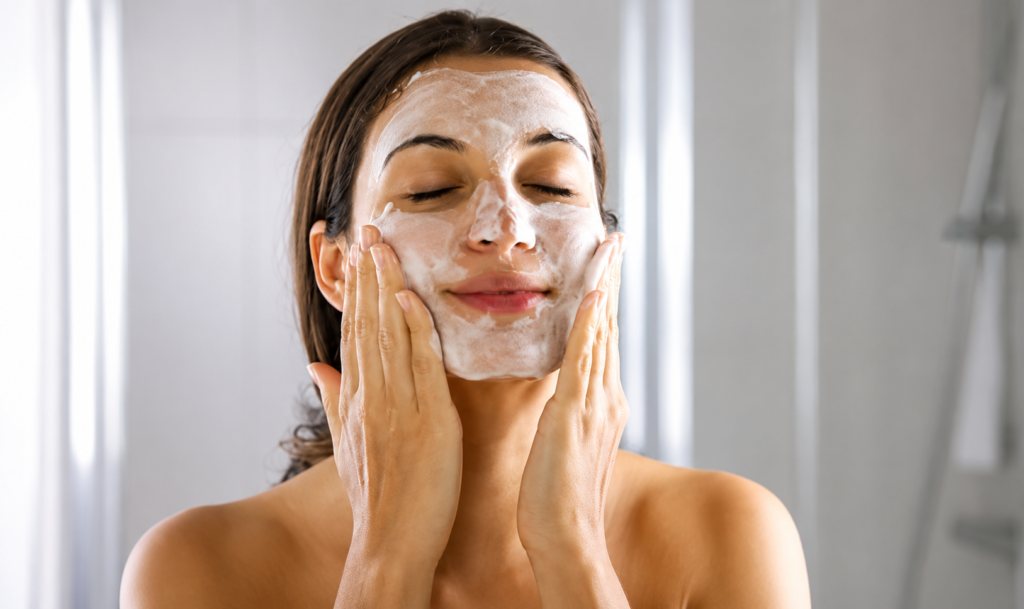
The goal isn’t to wash your face as much as possible—it’s to wash it correctly. Learning how to wash your face with the right products and techniques is far more important than frequent cleansing.
Why Consistency Matters
Healthy skin doesn’t happen overnight.
Once you learn how to wash your face properly, consistency becomes the key to long-term results.
Following the same gentle cleansing routine every day helps maintain a healthier skin barrier, balanced oil production, and a smoother complexion. Small daily habits often make a bigger difference than expensive skincare products.
In the next part, you’ll learn the complete step-by-step process of how to wash your face, including the best cleansing routine for oily, dry, combination, acne-prone, and sensitive skin, along with expert beauty tips for achieving naturally healthy, glowing skin.
How to Wash Your Face Properly
Now that you understand why cleansing is important, it’s time to learn how to wash your face the right way. Following the correct technique helps remove dirt, oil, makeup, sunscreen, and impurities without damaging your skin’s natural protective barrier.
Step 1: Wash Your Hands First
Before you begin how to wash your face, always clean your hands thoroughly.
Your hands collect bacteria, dirt, and germs throughout the day. Touching your face with dirty hands can transfer those impurities directly onto your skin.
Clean hands help keep your cleansing routine hygienic.
Step 2: Remove Makeup and Sunscreen
If you’re wearing makeup or sunscreen, remove it before using your facial cleanser.
Heavy makeup can create a barrier that prevents cleansers from reaching your skin properly.
Micellar water, cleansing balm, or cleansing oil can help dissolve makeup gently without excessive rubbing.
If you wear waterproof makeup, double cleansing may be beneficial.
Learning how to wash your face starts with removing surface products before deep cleansing.
Step 3: Wet Your Face with Lukewarm Water
Many people make the mistake of using very hot water.
Hot water may strip away your skin’s natural oils and leave it feeling dry or irritated.
Cold water doesn’t always remove oil effectively.
The ideal choice when learning how to wash your face is lukewarm water because it cleanses comfortably while helping protect your skin barrier.
Step 4: Choose the Right Cleanser
One cleanser does not work for everyone.
Choose a cleanser according to your skin type.
For dry skin:
- Cream cleanser
- Hydrating cleanser
- Fragrance-free cleanser
For oily skin:
- Gel cleanser
- Foaming cleanser
For combination skin:
- Gentle balancing cleanser
For sensitive skin:
- Soap-free cleanser
- Alcohol-free cleanser
Selecting the correct cleanser is one of the most important parts of how to wash your face successfully.
Step 5: Apply Cleanser Gently
Place a small amount of cleanser onto your fingertips.
Massage it onto your skin using slow circular motions.
Cover every area including:
- Forehead
- Nose
- Chin
- Cheeks
- Jawline
- Hairline
- Neck
Avoid rubbing aggressively.
Proper how to wash your face techniques always focus on gentle cleansing rather than harsh scrubbing.
Step 6: Give Extra Attention to the T-Zone
The forehead, nose, and chin usually produce more oil.
Spend a few extra seconds gently cleansing these areas without scrubbing.
If you have blackheads around your nose, consistent gentle cleansing is more effective than aggressive rubbing.
Step 7: Don’t Forget Hidden Areas
Many people skip important areas while learning how to wash your face.
Remember to clean:
- Around the nose
- Under the chin
- Hairline
- Jawline
- Neck
- Around the ears
These areas collect sweat, oil, and dirt just like the rest of your face.
Step 8: Rinse Thoroughly
After cleansing, rinse your face completely.
Leftover cleanser may lead to irritation or dryness.
Splash lukewarm water several times until your skin feels completely clean.
Step 9: Pat Dry
Never rub your face roughly with a towel.
Instead, gently pat your skin dry using a clean, soft towel.
This helps reduce unnecessary friction.
Step 10: Apply Moisturizer Immediately
One of the biggest secrets of how to wash your face is moisturizing immediately after cleansing.
Slightly damp skin helps moisturizers lock in hydration.
Choose a moisturizer suitable for your skin type.
Even oily skin needs hydration.
How to Wash Your Face According to Your Skin Type
Every skin type has different needs.
How to Wash Your Face for Dry Skin
Dry skin needs extra care.
If you have dry skin:
- Use a hydrating cleanser.
- Avoid alcohol-based products.
- Never use hot water.
- Cleanse gently.
- Apply moisturizer immediately.
Learning how to wash your face properly helps reduce tightness and flaking.
How to Wash Your Face for Oily Skin
Oily skin produces excess sebum.
Use:
- Gel cleanser
- Foaming cleanser
- Oil-free moisturizer
Avoid overwashing because it may encourage even more oil production.
How to Wash Your Face for Combination Skin
Combination skin usually has:
- Oily forehead
- Oily nose
- Dry cheeks
Choose a gentle cleanser that balances both oily and dry areas.
How to Wash Your Face for Sensitive Skin
Sensitive skin requires a simple routine.
Avoid:
- Strong fragrance
- Alcohol
- Harsh exfoliants
- Rough scrubbing
Gentle cleansing helps protect the skin barrier.
How to Wash Your Face for Acne-Prone Skin
Acne-prone skin benefits from consistency.
Cleanse twice daily using a mild acne-friendly cleanser.
Avoid picking pimples or scrubbing inflamed skin.
Learning how to wash your face gently helps reduce irritation while supporting healthier-looking skin.
Morning Face Washing Routine
Morning cleansing prepares your skin for the day.
A simple morning routine includes:
- Wash hands.
- Cleanse with lukewarm water.
- Use a gentle cleanser if needed.
- Pat dry.
- Apply moisturizer.
- Finish with sunscreen.
This routine keeps your skin fresh before exposure to pollution and sunlight.
Night Face Washing Routine
Evening cleansing is often the most important step.
Throughout the day your skin collects:
- Dirt
- Sweat
- Pollution
- Oil
- Makeup
- Sunscreen
Night routine:
- Remove makeup.
- Cleanse gently.
- Rinse thoroughly.
- Pat dry.
- Apply serum if desired.
- Moisturize.
Consistent nighttime cleansing is essential when learning how to wash your face correctly.
Can You Wash Your Face with Only Water?
Some people with very dry or sensitive skin prefer rinsing with water in the morning.
However, water alone cannot effectively remove sunscreen, excess oil, pollution, or makeup.
For most people, using a gentle cleanser at least once daily provides better cleansing.
The best routine depends on your individual skin type.
Should You Double Cleanse?
Double cleansing involves:
- Oil-based cleanser
- Water-based cleanser
This method works well for people who:
- Wear makeup
- Use waterproof sunscreen
- Have oily skin
- Live in polluted environments
It isn’t necessary for everyone.
Face Washing Tips for Healthy Skin
To master how to wash your face, remember these beauty tips:
- Always use clean towels.
- Replace pillowcases regularly.
- Avoid touching your face unnecessarily.
- Drink enough water.
- Moisturize every day.
- Wear sunscreen daily.
- Be gentle with your skin.
- Stay consistent with your routine.
A simple, gentle routine followed every day is often more effective than using too many skincare products.
Advanced Beauty Tips to Improve Your Cleansing Routine
Once you understand how to wash your face, a few small improvements can make your skincare routine even more effective. Healthy skin isn’t created by using expensive products—it comes from consistency and using the right techniques every day.
One of the best habits is to cleanse your face at the same time every morning and every evening. A regular routine helps maintain your skin barrier and keeps excess oil, dirt, and impurities under control.
Another important beauty tip is to keep your cleansing routine simple. Using too many skincare products may irritate your skin instead of improving it. Gentle cleansing, moisturizing, and daily sunscreen are often enough for healthy-looking skin.
Common Face Washing Myths
Many skincare myths can prevent people from learning how to wash your face correctly.
Myth 1: Washing More Often Gives Clearer Skin
This is one of the biggest skincare myths.
Overwashing removes your skin’s natural oils, which may cause dryness, irritation, and sometimes even more oil production.
For most people, washing twice a day is enough.
Myth 2: Hot Water Cleans Better
Hot water may feel relaxing, but it can damage your skin’s protective barrier.
Lukewarm water is the safest option when learning how to wash your face.
Myth 3: Scrubbing Makes Skin Cleaner
Scrubbing too hard can cause redness, irritation, and tiny skin injuries.
Gentle circular motions are much better than aggressive rubbing.
Myth 4: Oily Skin Doesn’t Need Moisturizer
Even oily skin needs hydration.
Skipping moisturizer can actually encourage your skin to produce more oil.
Myth 5: Expensive Cleansers Always Work Better
Healthy skin depends more on using the right cleanser for your skin type than buying the most expensive product.
Face Washing Mistakes to Avoid
Many people unknowingly damage their skin during cleansing.
Avoid these common mistakes:
- Using harsh soaps
- Washing your face more than necessary
- Scrubbing aggressively
- Using dirty towels
- Sleeping with makeup on
- Skipping moisturizer
- Ignoring your neck and hairline
- Using products not suited to your skin type
- Forgetting sunscreen after your morning routine
- Constantly changing skincare products
Avoiding these mistakes will help you master how to wash your face more effectively.
Seasonal Face Washing Tips
Your skincare routine should change with the seasons.
Summer
Hot weather increases sweat and oil production.
During summer:
- Cleanse twice daily.
- Wear sunscreen.
- Drink plenty of water.
- Use lightweight moisturizer.
Winter
Cold weather often causes dryness.
During winter:
- Use a hydrating cleanser.
- Avoid hot water.
- Apply richer moisturizer.
- Don’t over-cleanse.
Learning how to wash your face according to the season helps maintain balanced skin all year.
Lifestyle Habits That Support Healthy Skin
Good skincare isn’t limited to cleansing.
Healthy habits also improve your complexion.
These include:
- Drinking enough water
- Eating fruits and vegetables
- Getting enough sleep
- Managing stress
- Exercising regularly
- Avoiding smoking
- Limiting excessive sugar intake
- Cleaning makeup brushes regularly
- Washing pillowcases every week
- Avoiding touching your face frequently
When combined with proper how to wash your face techniques, these habits support healthier skin.
Frequently Asked Questions
How often should I wash my face?
Most people should wash their face twice daily—once in the morning and once before bed. Cleanse again after heavy sweating or exercise if needed.
Can I wash my face with only water?
Water alone may be suitable for some people with very dry or sensitive skin in the morning, but a gentle cleanser is generally recommended at least once daily to remove oil, sunscreen, makeup, and impurities.
Is hot water bad for the skin?
Yes. Hot water can strip away natural oils and leave your skin feeling dry or irritated. Lukewarm water is a better choice.
Should I exfoliate every day?
No. Most skin types only need gentle exfoliation one or two times a week. Over-exfoliating may damage your skin barrier.
How long should I wash my face?
Spend about 30 to 60 seconds gently massaging your cleanser onto your skin before rinsing.
Should I moisturize after washing?
Yes. Moisturizing immediately after cleansing helps lock in hydration and supports a healthy skin barrier.
Is double cleansing necessary?
Double cleansing is useful if you wear heavy makeup or waterproof sunscreen, but it isn’t essential for everyone.
Who Should Follow This Routine?
Learning how to wash your face correctly benefits almost everyone, including:
- Teenagers
- Adults
- Men
- Women
- Oily skin
- Dry skin
- Combination skin
- Sensitive skin
- Acne-prone skin
- Mature skin
A gentle cleansing routine can be adjusted to suit different skin types and lifestyles.
Final Beauty Tips
Before finishing, remember these simple rules:
- Always use a gentle cleanser.
- Wash with lukewarm water.
- Never scrub aggressively.
- Pat your face dry.
- Moisturize immediately.
- Wear sunscreen every morning.
- Stay consistent.
- Be patient—healthy skin develops over time.
Small daily habits usually produce better long-term results than complicated skincare routines.
Conclusion
Learning how to wash your face is one of the easiest yet most effective ways to improve your skincare routine. Proper cleansing removes dirt, excess oil, sweat, makeup, sunscreen, and environmental pollutants while helping your skin stay fresh, balanced, and healthy.
The secret isn’t washing your face more often—it’s understanding how to wash your face correctly with gentle techniques and products that suit your skin type. Using lukewarm water, choosing a mild cleanser, avoiding harsh scrubbing, and applying moisturizer after cleansing all help protect your skin’s natural barrier.
Whether your skin is oily, dry, combination, sensitive, or acne-prone, following the right routine can improve your skin’s appearance over time. Stay consistent, avoid common cleansing mistakes, and remember that beautiful skin starts with healthy daily habits.
Master how to wash your face, and you’ll build the perfect foundation for brighter, smoother, healthier-looking skin every day.