Hair Loss After Surgery: Why It Happens and How to Protect Your Hair Naturally
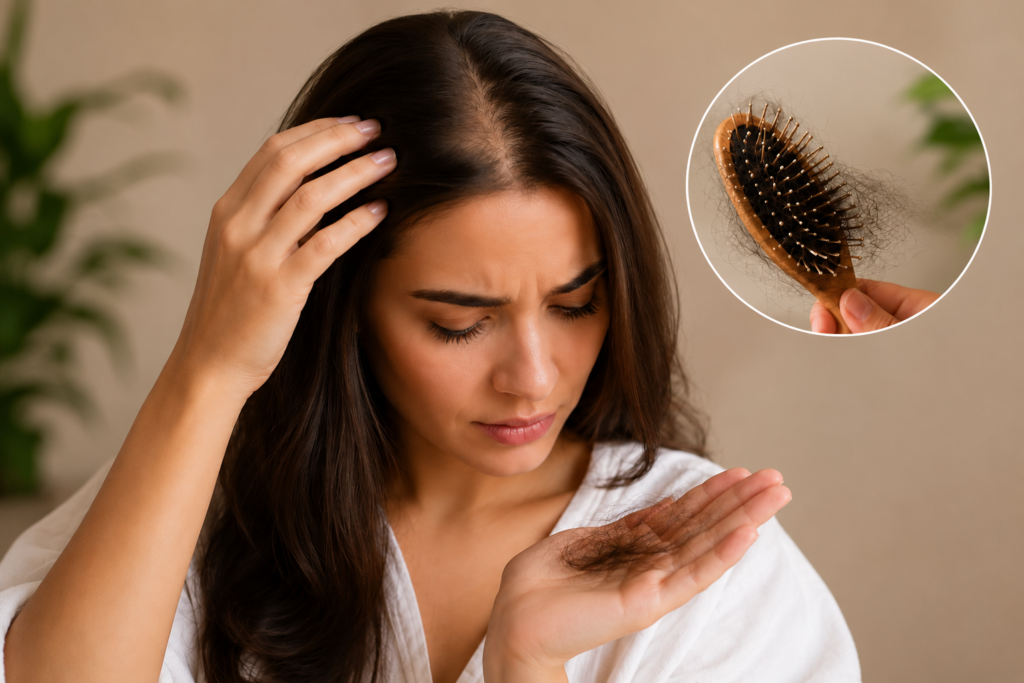
Have you recently noticed more hair than usual on your pillow, in your shower drain, or on your hairbrush after an operation? Seeing excessive shedding can be stressful, especially when you worked hard to maintain healthy, shiny hair before surgery. The good news is that hair loss after surgery is usually temporary and, in most cases, your hair can recover with the right care and patience.
From a beauty perspective, healthy hair is more than just appearance—it reflects the condition of your scalp, your nutrition, and your body’s overall recovery. During the healing process, your body naturally focuses on repairing tissues and restoring energy. Because of this, your hair follicles may temporarily slow down their normal growth cycle, leading to increased shedding.
This guide explains hair loss after surgery in simple language while focusing on beauty, healthy hair habits, and natural hair care practices that support beautiful, stronger-looking hair during recovery.
What Is Hair Loss After Surgery?
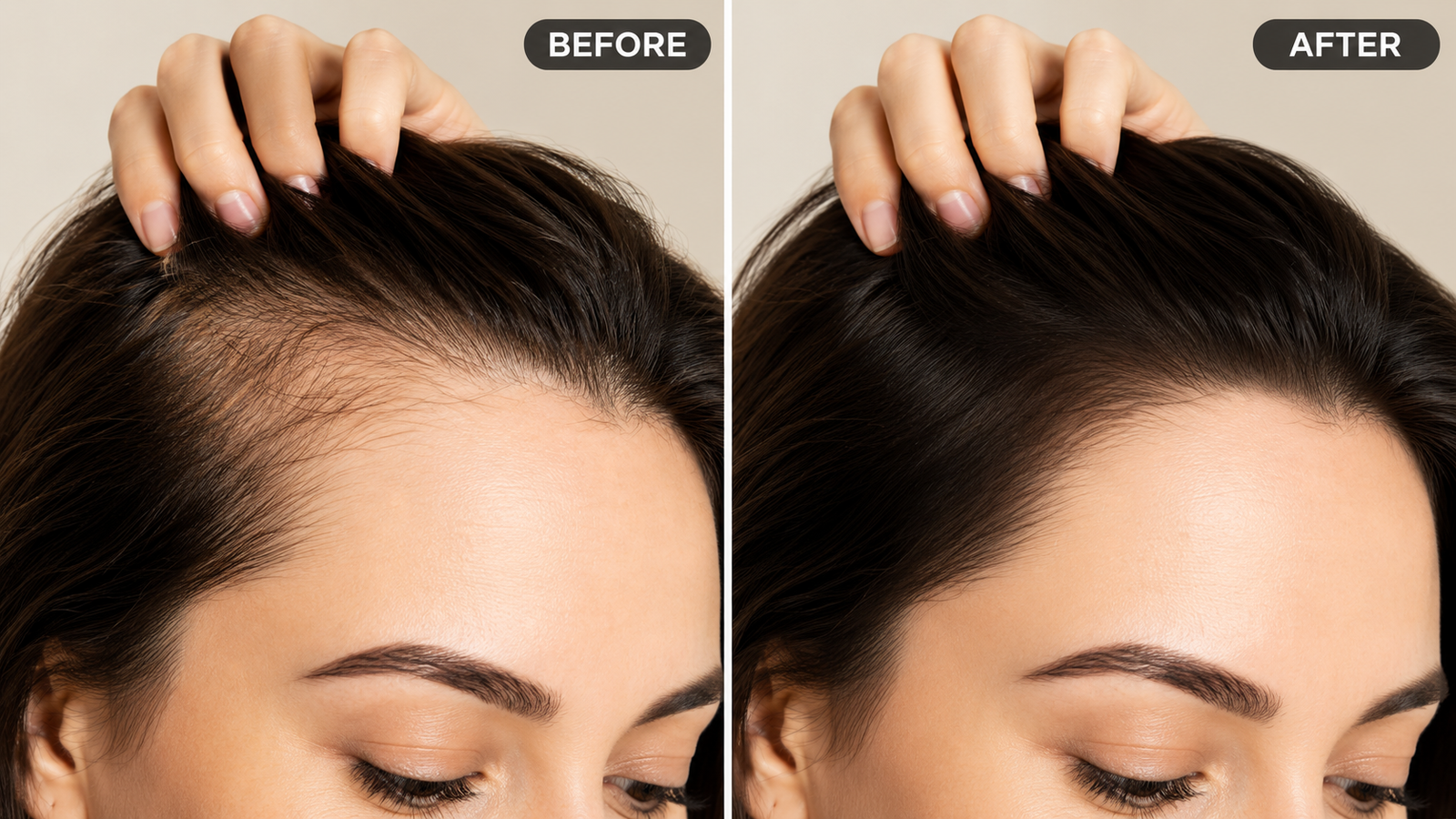
Hair loss after surgery refers to temporary hair shedding that may occur several weeks or months after an operation. Rather than creating bald patches, it usually causes overall thinning across the scalp.
Most people begin noticing extra shedding about two to three months after surgery. This happens because the body experiences physical stress during surgery, which can interrupt the normal hair growth cycle.
Although seeing more hair fall can be worrying, this type of shedding is often temporary. As your body recovers, your hair follicles gradually return to their normal growth cycle, allowing healthy new hair to grow.
Why Does Hair Loss After Surgery Happen?
Many people believe anesthesia alone causes hair loss, but the process is usually more complex. Several factors work together during recovery.
1. Your Body Prioritizes Healing
After surgery, your body directs energy and nutrients toward healing wounds and repairing tissues. Hair growth becomes a lower priority for a short period.
This temporary shift may cause more hair follicles to enter the resting phase, leading to increased shedding later.
2. Physical Stress Affects Hair Growth
Any surgery places stress on the body, even when the procedure is successful.
Physical stress can interrupt the natural hair cycle, making more hairs shed than usual. This is one of the most common reasons people experience hair loss after surgery.
3. Temporary Changes in Nutrition
Some people eat less after surgery because of pain, nausea, or reduced appetite.
If your body receives less protein, iron, zinc, or other important nutrients during recovery, your hair may become weaker and shed more easily.
Eating a balanced diet supports both recovery and beautiful, healthy hair.
4. Hormonal Changes
Surgery can temporarily affect hormone balance.
Hormonal fluctuations may influence the hair growth cycle, especially in women recovering from major operations.
5. Certain Medications
Some medications taken before or after surgery may contribute to temporary hair shedding.
Never stop prescribed medication without speaking to your healthcare provider.
Understanding the Hair Growth Cycle
Knowing how hair naturally grows helps explain why hair loss after surgery often appears weeks later instead of immediately.
Every hair follicle moves through three stages.
Growth Phase
This is when hair actively grows and becomes longer and stronger.
Transition Phase
Hair growth slows while the follicle prepares for its resting stage.
Resting Phase
The hair eventually sheds so a new hair can grow.
After surgery, more follicles may enter this resting stage at the same time, causing noticeable shedding.
Does Hair Loss After Surgery Mean Permanent Hair Loss?
Fortunately, no.
For most healthy people, hair loss after surgery is temporary.
As your body finishes healing, hair follicles usually return to their normal rhythm, and new hair begins growing again.
Many people notice gradual improvement over the following months.
Common Signs of Hair Loss After Surgery
You may notice:
- More hair in your shower drain
- Hair on your pillow each morning
- Increased shedding while brushing
- A thinner ponytail
- Less volume than before surgery
- Hair appearing flatter than usual
- Overall thinning instead of bald patches
If you notice severe bald spots or sudden patchy hair loss, it is important to consult a dermatologist.
Beauty Tips to Protect Your Hair During Recovery
Beautiful hair starts with gentle care.
Instead of worrying about every strand you lose, focus on creating the healthiest environment for new hair growth.
Wash Hair Gently
Choose a mild shampoo suitable for your scalp type.
Avoid scrubbing aggressively.
Massage gently using your fingertips rather than your nails.
Avoid Tight Hairstyles
Tight ponytails, buns, and braids create unnecessary tension.
Loose hairstyles allow recovering hair follicles to stay comfortable.
Reduce Heat Styling
Frequent use of straighteners, curling irons, and high-temperature blow dryers can make fragile hair more vulnerable.
Whenever possible, let your hair air-dry naturally.
Use a Wide-Tooth Comb
Wet hair is more delicate.
A wide-tooth comb helps reduce unnecessary breakage while detangling.
Start from the ends and slowly work upward.
Moisturize Your Hair
Dry hair breaks more easily.
Use a lightweight conditioner that keeps hair soft without making it heavy.
Healthy-looking hair starts with proper moisture.
Nourish Your Hair from Within
External hair products help, but beautiful hair also depends on good nutrition.
During recovery, include foods rich in:
- Protein
- Iron
- Zinc
- Biotin
- Vitamin D
- Vitamin C
- Healthy fats
- Leafy green vegetables
- Eggs
- Fish
- Nuts
- Seeds
A colorful, balanced diet supports healthy-looking hair while your body heals.
Lifestyle Habits That Support Beautiful Hair
Small daily habits can make a noticeable difference.
Try to:
- Drink enough water every day.
- Get quality sleep each night.
- Take short walks if your doctor approves.
- Manage stress through relaxation techniques.
- Avoid smoking.
- Limit excessive alcohol.
- Follow your post-surgery recovery instructions carefully.
These habits support your overall wellness and help create better conditions for healthy hair growth.
Is Hair Loss After Surgery Normal?
Yes.
For many people, hair loss after surgery is a normal response to physical stress.
Although the shedding can seem alarming, it usually improves naturally as your body recovers.
Instead of chasing quick fixes, focus on gentle hair care, balanced nutrition, and patience.
Your hair growth cycle needs time to reset, and healthy beauty routines can support that process.
Build a Gentle Hair Care Routine After Surgery
Recovering from surgery is not only about helping your body heal but also about giving your hair the attention it needs. If you are experiencing hair loss after surgery, creating a gentle hair care routine can make your hair look healthier while supporting natural regrowth. Although no beauty product can stop temporary shedding overnight, the right routine can reduce breakage, protect fragile strands, and improve your hair’s overall appearance.
Start by washing your hair only when needed using a mild, sulfate-free shampoo that cleanses without stripping away natural moisture. Follow with a nourishing conditioner to keep your hair soft, manageable, and less likely to break. Instead of rubbing your hair with a towel, gently squeeze out excess water and let it air dry whenever possible. If you need to use a hair dryer, choose the lowest heat setting.
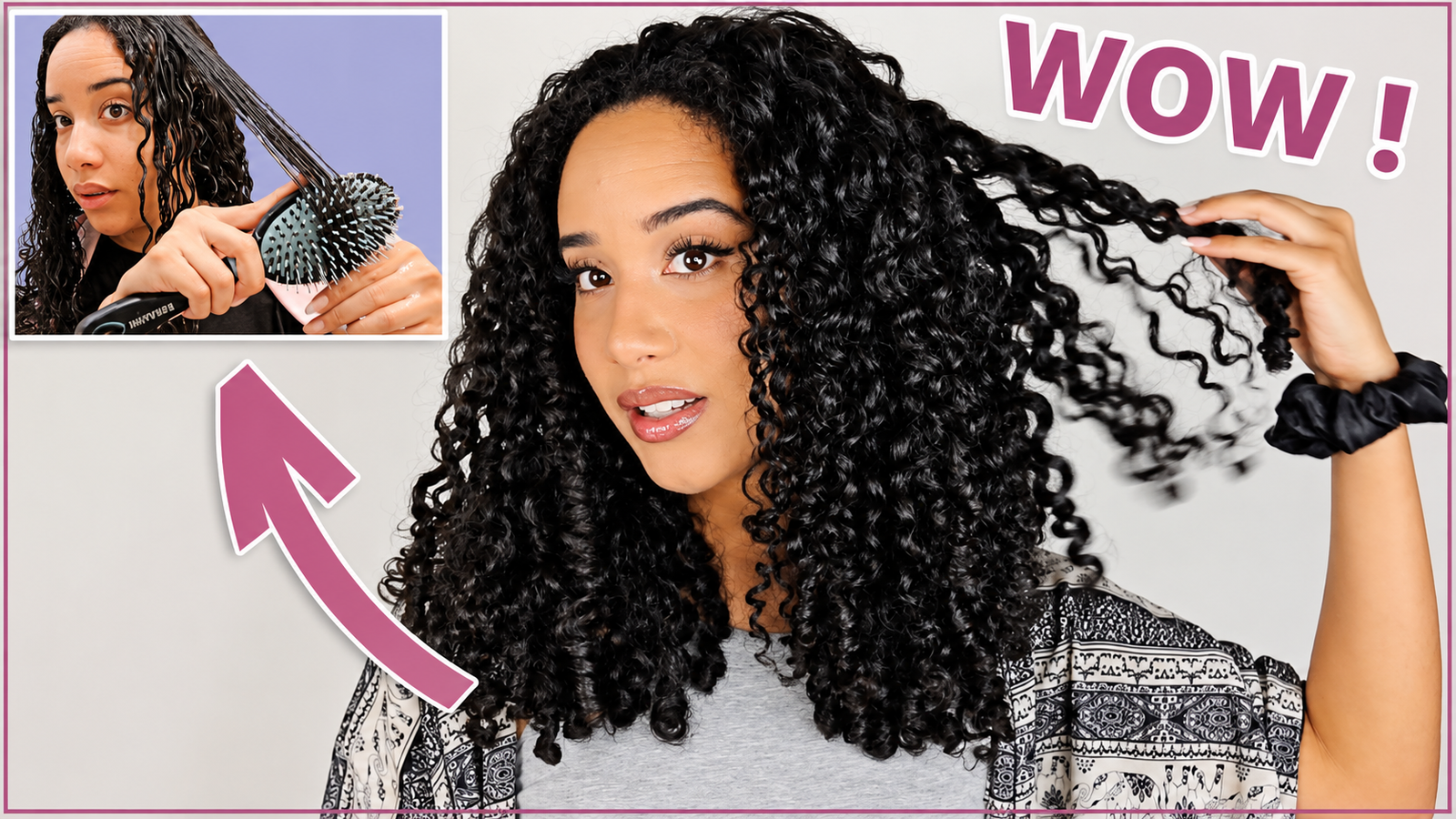
Brushing should also be done carefully. Use a wide-tooth comb or a soft-bristle brush and begin detangling from the ends before working toward the roots. This simple habit helps reduce unnecessary breakage while your hair is recovering from hair loss after surgery.
Beauty Ingredients That Support Healthier Hair
Many beauty products contain ingredients that improve the appearance of hair and support a healthy scalp. While these ingredients do not instantly reverse hair loss after surgery, they can create a better environment for healthy-looking hair.
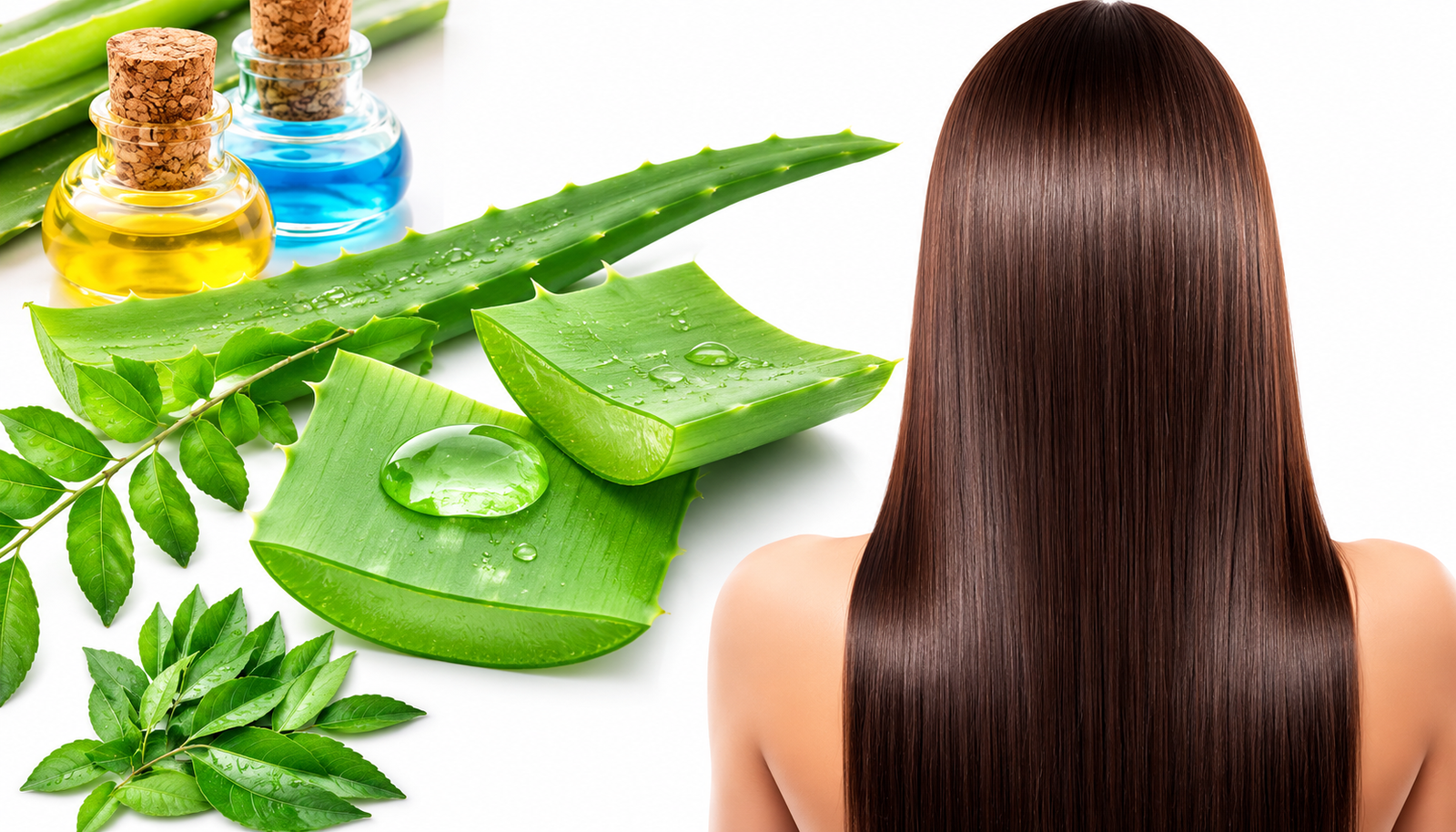
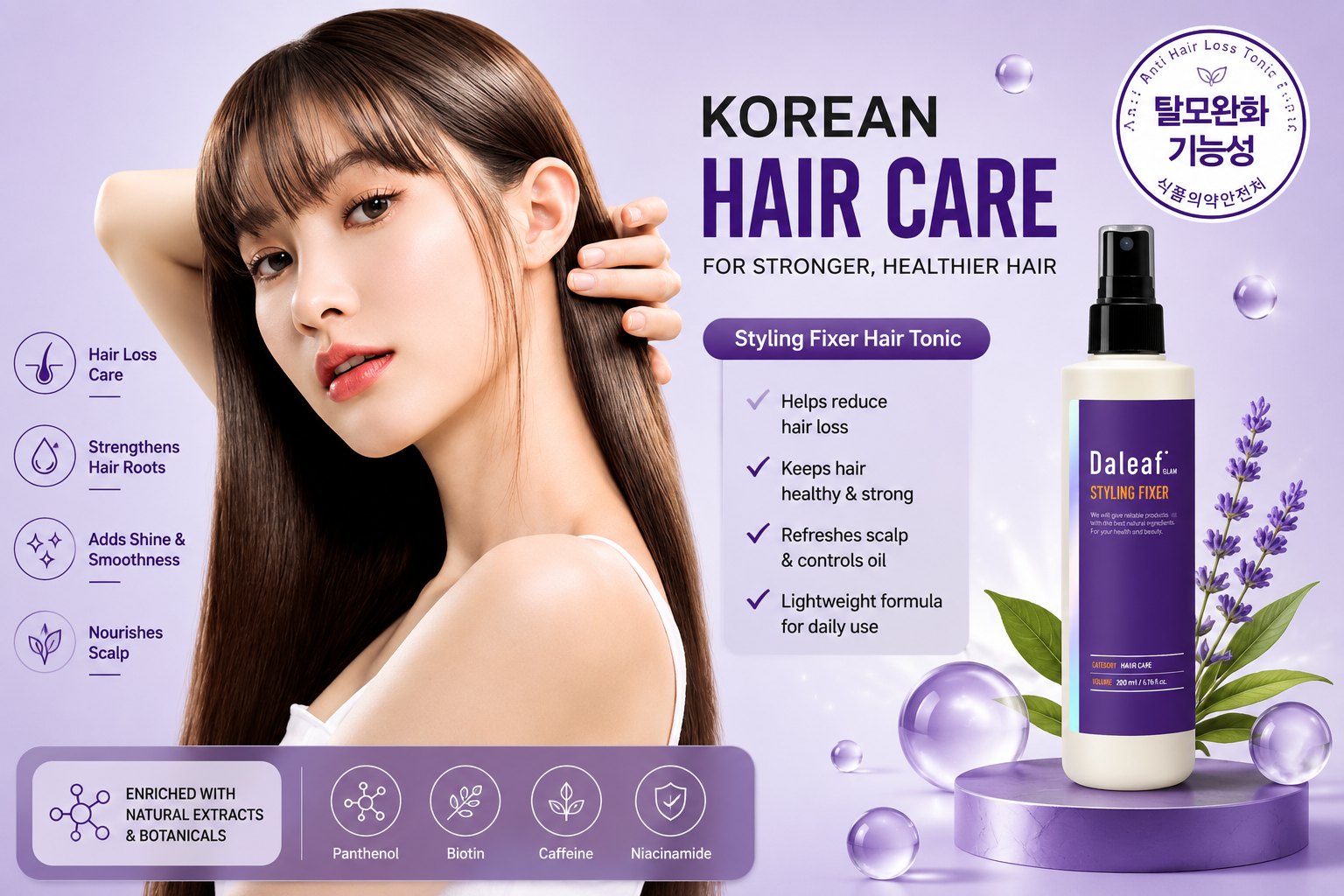
Look for products containing biotin, caffeine, niacinamide, panthenol, keratin, peptides, aloe vera, argan oil, rosemary extract, and hyaluronic acid. These ingredients help moisturize the scalp, strengthen the hair shaft, reduce dryness, and improve shine. Choosing lightweight products instead of heavy styling creams can also help your hair maintain volume while it is recovering.
Best Foods for Beautiful Hair Recovery
Healthy hair begins with proper nutrition. During recovery, your body uses nutrients to repair tissues, so eating a balanced diet becomes even more important. If you are concerned about hair loss after surgery, focus on foods that naturally support healthy hair.
Protein-rich foods such as eggs, fish, chicken, beans, lentils, and Greek yogurt provide the building blocks for hair. Iron-rich foods like spinach, lean meat, pumpkin seeds, and legumes support healthy blood circulation. Vitamin C from oranges, strawberries, kiwi, and bell peppers helps your body absorb iron more efficiently. Healthy fats from avocados, walnuts, almonds, flaxseeds, and salmon can also improve the appearance of your hair.
Drinking enough water every day is equally important because dehydration may leave both your scalp and hair looking dull.
Hair Styling Mistakes to Avoid
Many people unknowingly make their shedding appear worse by using harsh styling techniques. Since hair loss after surgery often makes hair more delicate, avoiding unnecessary damage is essential.
Avoid tight ponytails, buns, braids, and extensions that pull on the roots. Limit the use of straighteners, curling irons, and high-heat blow dryers because excessive heat weakens fragile strands. Chemical treatments such as bleaching, rebonding, relaxing, and frequent coloring should also be postponed until your hair becomes stronger again.
Choosing loose hairstyles and allowing your hair to rest during recovery helps minimize breakage and keeps it looking fuller.
Can Hair Oils Help?
Hair oils cannot stop hair loss after surgery, but they may improve scalp comfort and reduce dryness. A healthy scalp creates a better environment for new hair growth.
Lightweight oils such as argan oil, jojoba oil, coconut oil, or rosemary-infused oil can be used in small amounts. Gently massage the scalp for a few minutes before washing your hair. Avoid applying excessive oil because product buildup may make fine hair appear flatter.
Daily Habits That Support Healthy Hair
Simple lifestyle habits often have a noticeable effect on hair quality. Try to sleep seven to eight hours each night because your body performs much of its repair work during sleep. If your doctor recommends light physical activity, short walks can improve circulation and support recovery.
Managing stress is equally important because emotional stress may contribute to continued shedding. Deep breathing, meditation, reading, listening to relaxing music, or spending time outdoors may help reduce stress levels while your body heals.
How Long Does Hair Loss After Surgery Last?
One of the biggest concerns people have is how long hair loss after surgery will continue. In most cases, increased shedding begins about two to three months after surgery because hair follicles temporarily enter the resting phase. The shedding usually slows over time, and healthy new hair gradually begins to grow.
Many people notice improvement within three to six months, although complete recovery may take longer depending on overall health, nutrition, age, and the type of surgery. Patience is important because hair grows slowly, and visible improvement often takes time.
When Should You See a Dermatologist?
Although temporary shedding is common, certain symptoms should not be ignored. Consider speaking with a dermatologist if your hair continues to thin for many months, if you develop bald patches, experience severe scalp itching or pain, notice signs of infection, or feel that the hair loss is becoming worse instead of improving. A professional evaluation can help identify whether another condition is contributing to your hair loss.
Simple Beauty Tips for Fuller-Looking Hair
While waiting for your hair to recover, there are several beauty techniques that can help create the appearance of fuller hair. Choosing a volumizing shampoo, trimming split ends regularly, changing your hair part occasionally, avoiding heavy styling products, and using lightweight leave-in conditioners can all make your hair look healthier and more voluminous. Gentle scalp massages may also improve your overall hair care routine.
Healthy, beautiful hair takes time to recover after physical stress. By treating your hair gently, nourishing your body with healthy foods, and following a consistent beauty routine, you can support natural recovery while maintaining the shine, softness, and strength of your hair.
Common Myths About Hair Loss After Surgery
There are many myths surrounding hair loss after surgery, and believing them can create unnecessary stress. One of the biggest misconceptions is that every person who undergoes surgery will lose a large amount of hair. In reality, many people never experience noticeable shedding, while others may only have temporary thinning.
Another common myth is that shaving the head helps hair grow back faster. Hair grows from the follicles beneath the scalp, not from the visible hair shaft, so shaving does not change the speed or thickness of new hair growth.
Some people also believe that expensive shampoos can completely stop hair loss after surgery. While quality hair care products help protect your hair from breakage and improve its appearance, they cannot immediately reverse temporary shedding caused by physical stress. Healthy recovery depends on time, proper nutrition, gentle hair care, and your body’s natural healing process.
Professional Beauty Tips for Healthy Hair Recovery
If you want your hair to look its best during recovery, consistency is more important than using many different products. Stick to one gentle hair care routine instead of changing shampoos every few weeks.
Protect your hair from excessive sunlight by wearing a hat when spending long periods outdoors. UV exposure can leave hair dry and brittle. If you swim, rinse your hair after exposure to chlorine or salt water to prevent dryness.
Sleep on a silk or satin pillowcase if possible. This creates less friction than cotton and may help reduce breakage while keeping your hair smoother.
Avoid excessive brushing throughout the day. Brush only when necessary to detangle your hair gently without pulling healthy strands.
Can You Color Your Hair After Surgery?
Many people wonder whether it is safe to color their hair while recovering from hair loss after surgery.
If your hair is shedding heavily, it is usually better to wait until the shedding slows before using permanent hair color, bleach, or chemical treatments. These products may increase dryness and make fragile hair easier to break.
If coloring is important, consider discussing the timing with your hairstylist and healthcare professional. Choosing ammonia-free or gentler coloring products may also help reduce unnecessary damage.
Beauty Habits That Support Long-Term Hair Health
Beautiful hair is built through healthy daily habits rather than quick fixes.
Choose balanced meals every day instead of relying on supplements without medical advice. Stay physically active according to your doctor’s recommendations, drink enough water, and get enough sleep each night.
Keep your scalp clean, avoid smoking, manage stress effectively, and protect your hair from excessive heat styling. These simple habits support not only recovery from hair loss after surgery but also long-term hair health.
Frequently Asked Questions
Is hair loss after surgery permanent?
In most cases, hair loss after surgery is temporary. Hair usually begins growing again as your body completes the healing process.
How soon does hair loss after surgery begin?
Many people notice increased shedding around two to three months after surgery, although the timing varies from person to person.
Can stress make hair loss after surgery worse?
Yes. Physical and emotional stress can both contribute to increased shedding, which is why stress management is an important part of recovery.
Which foods support healthier hair?
Protein-rich foods, leafy green vegetables, eggs, fish, nuts, seeds, fruits, and iron-rich foods provide nutrients that support healthy hair growth.
Should I stop washing my hair if it is shedding?
No. Gentle washing keeps the scalp clean and healthy. Hair that is ready to shed will usually fall out whether you wash it or not.
Final Thoughts
Experiencing hair loss after surgery can feel frustrating, but for most people it is only a temporary stage of recovery. As your body heals, your hair follicles gradually return to their normal growth cycle, allowing healthier new hair to grow.
Instead of focusing on quick solutions, concentrate on building a beauty routine that protects your scalp and hair every day. Gentle cleansing, proper conditioning, balanced nutrition, hydration, stress management, and patience all play an important role in supporting beautiful hair.
Healthy hair recovery is a journey, not an overnight transformation. With consistent care and realistic expectations, most people regain the thickness, softness, and natural shine of their hair over time. If hair shedding becomes severe, lasts longer than expected, or is accompanied by patchy hair loss or scalp problems, consult a qualified dermatologist for a proper evaluation.
By understanding hair loss after surgery and caring for your hair with a beauty-first approach, you can support healthier-looking hair while allowing your body the time it needs to recover naturally.