
Introduction
If you’ve ever searched “What does Vitamin C serum do for your face?”, you’re not alone. Vitamin C serum has become one of the most recommended skincare products because it helps address several common skin concerns at the same time. Whether you’re dealing with dull skin, dark spots, acne marks, fine lines, or uneven skin tone, adding Vitamin C serum to your skincare routine may help improve your skin’s overall appearance.
So, what does Vitamin C serum do for your face? In simple terms, it helps brighten your complexion, protects your skin from environmental damage, supports collagen production, fades the appearance of dark spots, and promotes smoother, healthier-looking skin. It works as a powerful antioxidant that helps defend your skin against free radicals caused by UV rays, pollution, and everyday environmental stress.
However, not all Vitamin C serums are the same. The type of Vitamin C, its concentration, and how you use it all play a role in the results you achieve. Choosing the right formula and using it consistently can make a noticeable difference over time.
In this complete guide, you’ll learn what Vitamin C serum does for your face, how it works, its science-backed benefits, how to use it correctly, possible side effects, and tips for choosing the best Vitamin C serum for your skin type.
What Is Vitamin C Serum?
Before understanding what does Vitamin C serum do for your face, it’s important to know what this skincare product actually is.
Vitamin C serum is a lightweight, fast-absorbing skincare treatment that contains a concentrated form of Vitamin C, also known as ascorbic acid. Unlike creams or lotions, serums are formulated with smaller molecules that penetrate the skin more effectively, allowing active ingredients to work deeper beneath the surface.
Vitamin C is a powerful antioxidant that helps protect the skin from oxidative stress while supporting its natural repair process. Because our skin is exposed daily to sunlight, pollution, smoke, and other environmental aggressors, using a Vitamin C serum can help defend against these external factors while improving the skin’s overall appearance.
Many modern Vitamin C serums also contain ingredients such as Vitamin E, Ferulic Acid, or Hyaluronic Acid to improve stability, hydration, and overall performance.
What Does Vitamin C Serum Do for Your Face?
The short answer is that Vitamin C serum helps improve your skin in several ways at once.
Instead of focusing on only one concern, it works to support healthier, brighter, and smoother-looking skin by protecting it from environmental damage while encouraging natural skin renewal.
Regular use of a quality Vitamin C serum may help:
- Brighten dull-looking skin.
- Reduce the appearance of dark spots.
- Improve uneven skin tone.
- Support healthy collagen production.
- Minimize the appearance of fine lines.
- Improve skin texture.
- Protect against pollution and free radical damage.
- Boost your skin’s natural radiance.
These benefits develop gradually with consistent use and proper sun protection.
How Does Vitamin C Serum Work on Your Face?
To understand what does Vitamin C serum do for your face, you first need to understand what happens to your skin every day.
Your skin is constantly exposed to environmental stressors, including:
- UV rays
- Air pollution
- Cigarette smoke
- Dust
- Blue light exposure
- Everyday oxidative stress
These factors create unstable molecules called free radicals.
Free radicals attack healthy skin cells, damaging collagen and elastin while accelerating visible signs of aging. Over time, this damage can lead to:
- Fine lines
- Wrinkles
- Dark spots
- Uneven skin tone
- Loss of firmness
- Dull skin
Vitamin C works as an antioxidant by neutralizing these free radicals before they can damage your skin. At the same time, it supports collagen production, helping maintain smoother, firmer, and healthier-looking skin.
This combination of protection and repair is one of the main reasons dermatologists frequently recommend Vitamin C serum as part of a daily skincare routine.
8 Science-Backed Benefits of Vitamin C Serum for Your Face
1. Brightens Dull Skin
One of the biggest reasons people ask what does Vitamin C serum do for your face is because they want brighter skin.
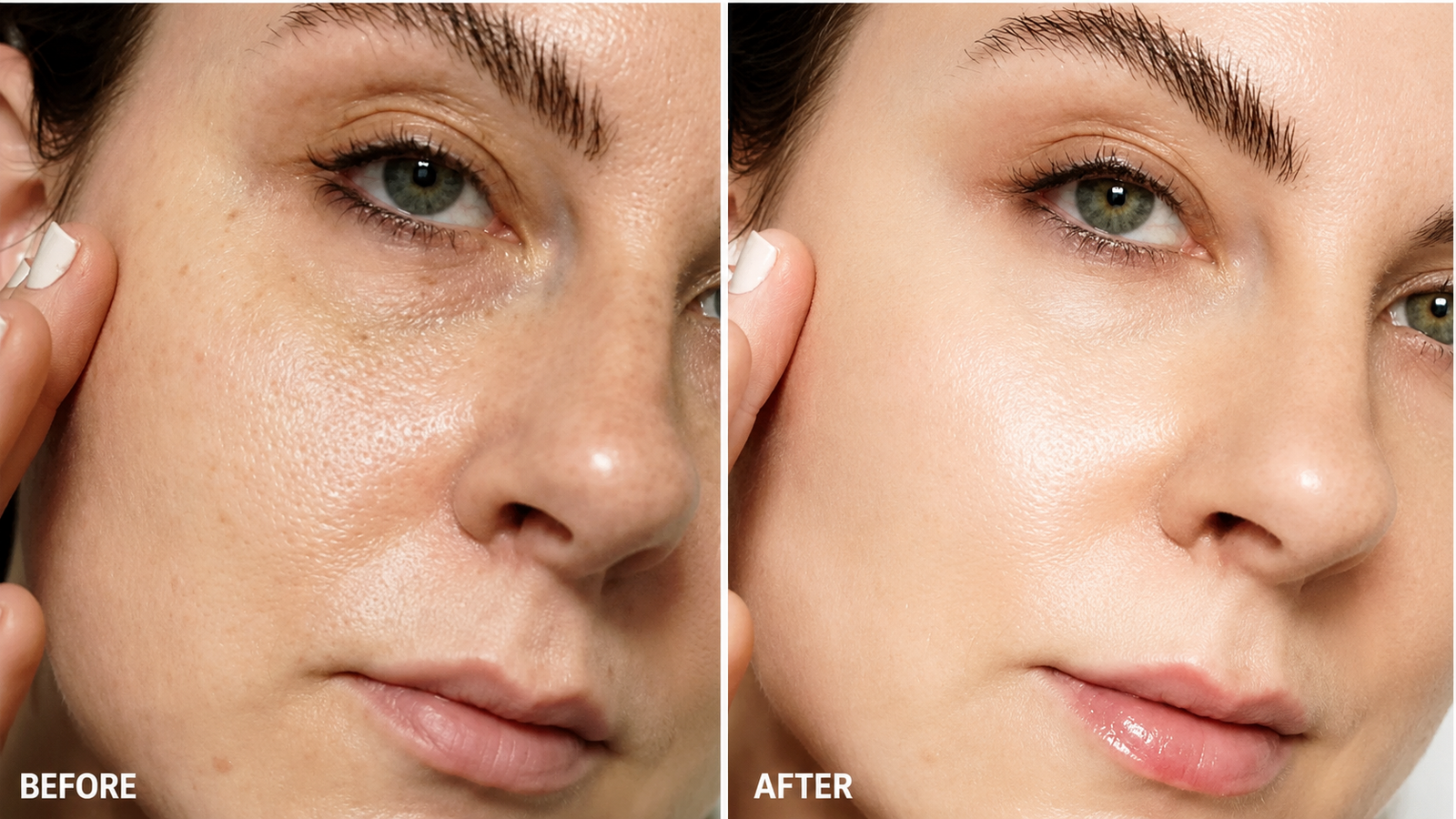
Vitamin C helps restore your skin’s natural glow by reducing dullness caused by sun exposure, pollution, and everyday stress. With regular use, your complexion may appear healthier, fresher, and more radiant.
2. Helps Fade Dark Spots
Dark spots caused by acne, sun exposure, or aging can take months to fade naturally.
Vitamin C helps reduce the appearance of pigmentation by slowing excess melanin production, allowing your skin tone to appear more even over time.
Although results vary, consistent application combined with sunscreen can noticeably improve skin clarity.
3. Supports Collagen Production
Collagen is one of the most important proteins in your skin.
It helps maintain:
- Firmness
- Elasticity
- Smoothness
- Youthful appearance
As collagen production naturally declines with age, skin becomes thinner and less firm.
Vitamin C plays an essential role in collagen synthesis, making it an important ingredient for maintaining healthy-looking skin.
4. Reduces the Appearance of Fine Lines
Fine lines often appear before deeper wrinkles develop.
By supporting collagen production and protecting skin from oxidative damage, Vitamin C may help reduce the appearance of early signs of aging while improving overall skin texture.
5. Improves Uneven Skin Tone
Uneven skin tone is a common concern caused by sun damage, post-acne marks, and environmental stress.
Vitamin C helps create a brighter, more balanced complexion by reducing visible discoloration and improving overall skin radiance.
6. Protects Your Skin from Environmental Damage
Daily exposure to sunlight and pollution generates free radicals that weaken your skin over time.
Vitamin C helps defend your skin against this oxidative stress, making it an excellent addition to your morning skincare routine.
For the best protection, always pair Vitamin C serum with a broad-spectrum sunscreen.
7. Helps Improve Skin Texture
Healthy skin isn’t only about brightness—it should also feel smooth.
Vitamin C supports the skin’s natural repair process, helping rough or tired-looking skin appear softer and more refined with continued use.
8. Boosts Your Skin’s Natural Glow
Perhaps the most noticeable benefit of consistent Vitamin C use is healthier-looking skin.
Instead of creating an artificial glow, Vitamin C helps improve your skin’s overall condition, resulting in a complexion that looks naturally brighter, smoother, and more refreshed.
How to Choose the Best Vitamin C Serum for Your Face
Now that you know what does Vitamin C serum do for your face, the next step is choosing a product that matches your skin type and skincare goals. Not every Vitamin C serum is made the same. The type of Vitamin C, its concentration, and the supporting ingredients all affect how well it performs.
1. Pick the Right Form of Vitamin C
Different serums use different forms of Vitamin C. Some are more potent, while others are designed for sensitive skin.
Here are the most common forms:
- L-Ascorbic Acid – The purest and most researched form. It delivers excellent brightening and anti-aging benefits but may be stronger for sensitive skin.
- Sodium Ascorbyl Phosphate – A gentle option that works well for oily and acne-prone skin.
- Magnesium Ascorbyl Phosphate – Helps hydrate the skin and is often recommended for dry or sensitive skin.
- Ascorbyl Glucoside – A stable derivative that suits beginners.
- Tetrahexyldecyl Ascorbate – An oil-soluble form that penetrates well and is commonly found in premium skincare products.
If you’re using Vitamin C for the first time, start with a gentle, stable formula before moving to stronger concentrations.
What Strength of Vitamin C Serum Is Best?
Many people ask what does Vitamin C serum do for your face if it contains different strengths?
The answer depends on the concentration.
A general guide is:
- 5%–10% – Best for beginners and sensitive skin.
- 10%–15% – Suitable for most skin types and everyday use.
- 15%–20% – Ideal for experienced users targeting stubborn pigmentation and visible signs of aging.
A higher percentage doesn’t always mean better results. Choosing the right concentration for your skin is more important than choosing the strongest product.
Ingredients That Work Well with Vitamin C
Vitamin C becomes even more effective when paired with complementary skincare ingredients.
Vitamin E
Vitamin E helps nourish the skin and enhances Vitamin C’s antioxidant protection. Together, they help defend the skin from environmental damage.
Ferulic Acid
Ferulic Acid stabilizes Vitamin C and helps maintain its effectiveness for longer. Many dermatologist-recommended serums include this combination.
Hyaluronic Acid
Hyaluronic Acid attracts moisture to the skin, helping it feel plumper and more hydrated. When combined with Vitamin C, it creates a brighter and healthier-looking complexion.
Niacinamide
Niacinamide and Vitamin C can complement each other by improving uneven skin tone, supporting the skin barrier, and reducing the appearance of redness.
How to Use Vitamin C Serum Correctly
Knowing what does Vitamin C serum do for your face is only part of the process. Applying it correctly is equally important.
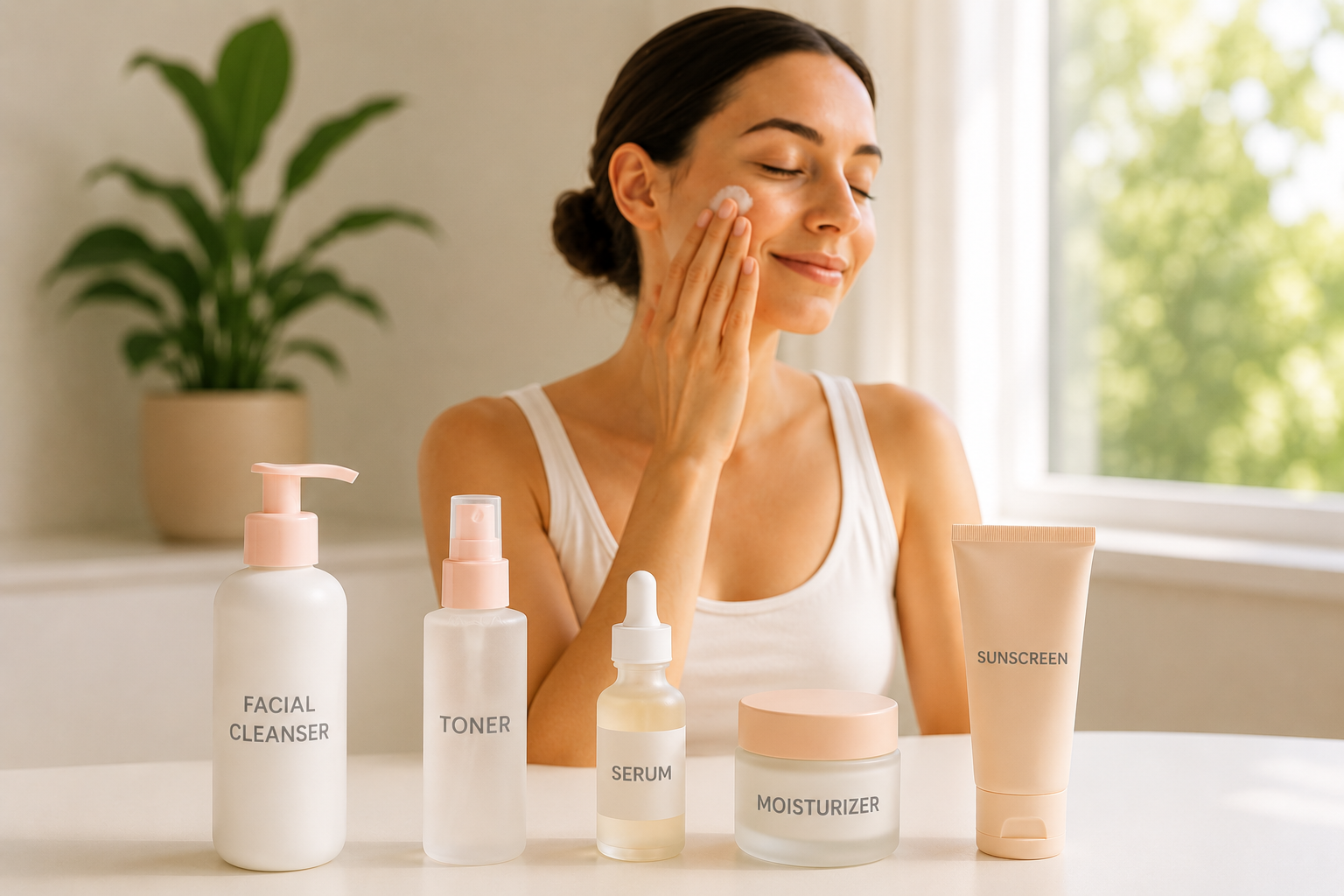
Step 1: Cleanse Your Face
Start with a gentle cleanser to remove dirt, oil, makeup, and sunscreen.
Clean skin allows the serum to absorb more effectively.
Step 2: Apply Toner (Optional)
If toner is part of your skincare routine, apply it after cleansing and allow it to dry before using your serum.
Step 3: Apply Vitamin C Serum
Place 2–3 drops of Vitamin C serum onto your fingertips.
Gently apply it to:
- Forehead
- Cheeks
- Nose
- Chin
- Neck
Avoid rubbing your skin aggressively. Instead, gently press the serum into the skin.
Step 4: Apply Moisturizer
Once the serum has absorbed, use a moisturizer to lock in hydration and support your skin barrier.
5: Finish with Sunscreen
One of the biggest reasons people ask what does Vitamin C serum do for your face is because they’ve heard it protects against sun damage.
While Vitamin C helps defend against free radicals, it cannot replace sunscreen.
Always finish your morning routine with a broad-spectrum sunscreen of SPF 30 or higher.
Should You Use Vitamin C Serum in the Morning or at Night?
Morning application is generally the best choice.
Using Vitamin C serum during the day helps protect your skin from:
- Pollution
- UV exposure
- Free radicals
- Environmental stress
It also works well alongside sunscreen, providing additional antioxidant support.
Although Vitamin C can also be used at night, most people benefit more from applying it in the morning.
Can You Use Vitamin C with Other Skincare Products?
One of the most common questions after what does Vitamin C serum do for your face is whether it can be combined with other skincare ingredients.
The answer is yes.
Vitamin C + Hyaluronic Acid
This combination helps:
- Improve hydration
- Reduce dryness
- Support smoother-looking skin
- Boost the skin’s natural glow
Vitamin C + Niacinamide
These ingredients work well together and may help:
- Brighten uneven skin tone
- Strengthen the skin barrier
- Reduce redness
- Improve overall skin texture
Vitamin C + Retinol
Both ingredients offer anti-aging benefits.
A simple routine is:
- Morning: Vitamin C Serum
- Night: Retinol
This allows your skin to benefit from both while reducing the risk of irritation.
Vitamin C + Salicylic Acid
If you have oily or acne-prone skin, you can use both ingredients.
However, if your skin becomes dry or irritated, use them at different times of the day or on alternate days.
How Long Does Vitamin C Serum Take to Work?
If you’re wondering what does Vitamin C serum do for your face over time, patience is important.
Most people notice gradual improvements rather than instant results.
Typical timeline:
- 2–4 weeks: Skin appears brighter and more refreshed.
- 4–8 weeks: Uneven skin tone starts improving.
- 8–12 weeks: Dark spots and post-acne marks become less noticeable.
- 3 months and beyond: Continued improvements in skin texture and overall radiance with consistent use.
Results depend on your skin type, the quality of the serum, and how regularly you use it.
Common Mistakes to Avoid
To get the best results from your Vitamin C serum, avoid these common mistakes:
- Using too much product instead of a few drops.
- Skipping sunscreen after morning application.
- Expecting overnight results.
- Choosing the highest concentration without considering your skin type.
- Using oxidized Vitamin C serum that has turned dark brown.
- Frequently switching between different serums before giving one enough time to work.
- Applying the serum to dirty skin instead of after cleansing.
Are There Any Side Effects of Vitamin C Serum?
Although Vitamin C is considered safe for most skin types, some people may experience mild irritation when they first start using it. This is usually temporary and often improves as the skin adjusts.
Possible side effects include:
- Mild tingling after application
- Slight redness
- Dryness
- Temporary irritation
- Mild peeling (especially with higher concentrations)
If irritation continues, reduce application to 2–3 times per week or choose a lower-strength Vitamin C serum.
Who Should Use Vitamin C Serum?
If you’re wondering what does Vitamin C serum do for your face and whether it’s suitable for you, the answer is that most adults can benefit from it.
Vitamin C serum is ideal for people who have:
- Dull-looking skin
- Uneven skin tone
- Hyperpigmentation
- Sun spots
- Acne marks
- Early wrinkles
- Fine lines
- Dry skin
- Loss of skin radiance
People with sensitive skin can also use Vitamin C by choosing a gentle formula and introducing it gradually.
Who Should Avoid Vitamin C Serum?
Vitamin C isn’t harmful for most people, but you should consult a dermatologist before using it if you:
- Have severe eczema
- Have extremely sensitive skin
- Have an active allergic skin reaction
- Experience persistent burning after application
If you’re unsure, perform a patch test on your inner arm before applying it to your face.
Tips to Get Better Results from Vitamin C Serum
Knowing what does Vitamin C serum do for your face is helpful, but using it correctly makes the biggest difference.
Follow these expert tips:
Apply on Clean Skin
Always cleanse your face before applying serum so it can absorb properly.
Store It Correctly
Vitamin C breaks down when exposed to sunlight, air, and heat.
Store your serum:
- In a cool place
- Away from direct sunlight
- With the bottle tightly closed
Dark-colored bottles help protect the formula.
Use Sunscreen Daily
Vitamin C works best alongside sunscreen.
Without sunscreen, UV rays can continue causing pigmentation and premature aging, reducing the visible benefits of your skincare routine.
Stay Consistent
Consistency is the key.
Using Vitamin C occasionally won’t provide the same improvements as daily use over several weeks.
Don’t Use More Than Needed
Two or three drops are enough for your entire face.
Using extra product won’t produce faster results.
Frequently Asked Questions1. What does Vitamin C serum do for your face every day?
Daily use helps brighten dull skin, reduce dark spots, support collagen production, improve skin texture, and protect against environmental damage
2. Can Vitamin C serum remove dark spots?
Vitamin C helps fade post-acne marks, sun spots, and uneven pigmentation over time. Results usually become noticeable after several weeks of consistent use.
3. Does Vitamin C serum help with wrinkles?
Yes. Vitamin C supports collagen production, which helps reduce the appearance of fine lines and early wrinkles.
4. Can I use Vitamin C serum every day?
Yes. Most people can safely use Vitamin C serum once every morning. Beginners or those with sensitive skin may start with every other day.
5. Can I use Vitamin C serum at night?
Yes, but many skincare experts recommend morning application because Vitamin C works well with sunscreen to protect the skin from daytime environmental stress.
6. How long does Vitamin C serum take to work?
Most users notice brighter skin within 2–4 weeks, while dark spots and uneven tone may improve after 8–12 weeks of regular use.
7. Can Vitamin C serum cause pimples?
Vitamin C itself doesn’t usually cause acne. However, a formula that’s too heavy or contains pore-clogging ingredients may not suit every skin type.
8. Is Vitamin C serum suitable for oily skin?
Yes. Lightweight, oil-free Vitamin C serums are often suitable for oily and combination skin and can help improve post-acne marks.
Final Thoughts
If you’ve been asking what does Vitamin C serum do for your face, the answer is simple: it’s one of the most effective skincare ingredients for improving overall skin health and appearance.
A quality Vitamin C serum can help brighten dull skin, reduce dark spots, support natural collagen production, smooth fine lines, improve skin texture, and defend against environmental damage caused by pollution and UV exposure. While it isn’t an overnight solution, consistent daily use can deliver noticeable improvements over time.
For the best results, choose a well-formulated serum, apply it every morning on clean skin, follow with a moisturizer, and always finish with a broad-spectrum sunscreen. Combined with a consistent skincare routine, Vitamin C can help your skin look healthier, smoother, and more radiant.
Conclusion
Understanding what does Vitamin C serum do for your face can help you make smarter skincare choices. Whether your goal is brighter skin, fewer dark spots, improved texture, or early anti-aging support, Vitamin C is a science-backed ingredient that deserves a place in your routine. Stay consistent, protect your skin from the sun, and give the serum time to work—you’ll be more likely to see long-term, visible results.