Introduction
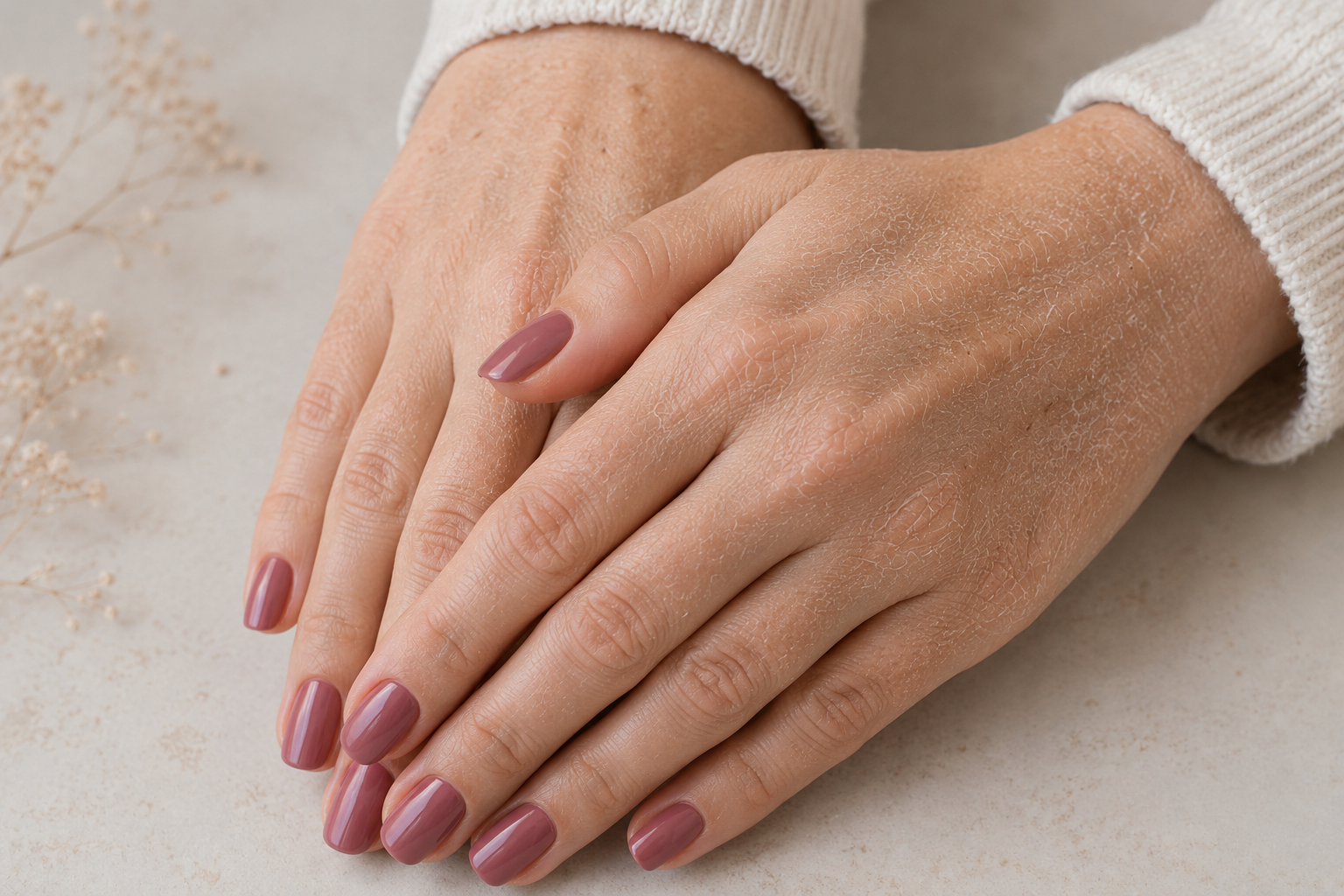
Eczema skin dryness is one of the most common skin concerns affecting millions of people worldwide. If your skin constantly feels rough, tight, flaky, itchy, or irritated, eczema may be the underlying cause. Unlike ordinary dry skin, eczema skin dryness occurs because the skin’s protective barrier is damaged. This allows moisture to escape while making it easier for irritants, allergens, and bacteria to enter the skin.
For many people, eczema skin dryness is not just a cosmetic concern. It can interfere with sleep, reduce confidence, affect daily activities, and increase the risk of skin infections. While eczema cannot be permanently cured, dermatologists agree that the condition can often be controlled with proper skincare, trigger management, and the right treatment plan.
According to leading dermatology organizations, maintaining a healthy skin barrier is one of the most effective ways to reduce eczema flare-ups. A consistent skincare routine combined with dermatologist-recommended products can significantly improve skin hydration and comfort.
In this comprehensive guide, you’ll learn everything about eczema skin dryness, including what causes it, why it becomes worse, who is most at risk, and how dermatologists recommend managing the condition for healthier skin.
What Is Eczema Skin Dryness?
Eczema skin dryness refers to extremely dry, irritated, and inflamed skin caused by eczema, also known as atopic dermatitis. In healthy skin, the outer layer acts as a protective shield that locks moisture inside while blocking harmful substances from entering the body.
When someone has eczema, this protective barrier becomes weak and damaged. As a result:
- Moisture escapes from the skin much faster.
- The skin becomes excessively dry.
- Irritants penetrate the skin more easily.
- Allergens trigger inflammation.
- Harmful bacteria can enter through tiny cracks.
This explains why people with eczema often experience recurring cycles of dryness, itching, redness, and inflammation.
Dermatologists describe eczema as a chronic inflammatory skin condition. This means symptoms often improve for a period before returning again during flare-ups.
How Healthy Skin Protects Itself
To understand eczema skin dryness, it’s important to know how healthy skin normally works.
Your skin contains several protective layers that perform important functions every day.
These layers:
- Prevent water loss.
- Protect against bacteria and viruses.
- Block environmental pollutants.
- Reduce irritation from chemicals.
- Maintain proper hydration.
Natural oils called lipids work together with proteins and skin cells to create a waterproof barrier.
When this barrier remains healthy, your skin feels:
- Smooth
- Soft
- Flexible
- Comfortable
- Well hydrated
People without eczema naturally replace damaged skin cells while maintaining this protective barrier.
Why Does Eczema Cause Dry Skin?
One of the biggest reasons behind eczema skin dryness is a damaged skin barrier.
Researchers have discovered that many people with eczema produce lower amounts of an important protein called filaggrin. This protein helps create a strong skin barrier and keeps moisture locked inside.
When filaggrin levels are low:
- Water escapes rapidly.
- The skin becomes dehydrated.
- Tiny cracks begin forming.
- Irritants enter more easily.
- Inflammation develops quickly.
Dermatologists often compare eczema skin to a brick wall.
- Skin cells are the bricks.
- Natural oils are the cement.
When the cement becomes weak, gaps appear between the bricks. Water leaks out while allergens and bacteria enter through these openings.
This continuous moisture loss explains why eczema skin dryness returns repeatedly without proper skincare.
The Itch-Scratch Cycle
One of the most frustrating parts of eczema skin dryness is the itch-scratch cycle.
It usually follows this pattern:
Dry skin develops.
↓
The skin starts itching.
↓
Scratching temporarily relieves the itch.
↓
Scratching damages the skin barrier.
↓
More moisture escapes.
↓
Inflammation increases.
↓
The skin becomes even itchier.
↓
The cycle repeats.
Dermatologists strongly advise avoiding scratching because every scratch damages the skin barrier further. Even gentle rubbing can worsen inflammation if done repeatedly.
Breaking the itch-scratch cycle is one of the first goals of eczema treatment.
Common Symptoms of Eczema Skin Dryness
Although symptoms vary between individuals, eczema skin dryness often includes several recognizable signs.
Persistent Dry Skin
Dryness is usually the earliest symptom.
The skin may feel:
- Tight
- Rough
- Dehydrated
- Uncomfortable
- Less flexible
Unlike seasonal dryness, eczema-related dryness often remains even after applying ordinary lotion.
Intense Itching
Itching is considered the hallmark symptom of eczema.
Many people notice itching becomes worse:
- During the night
- After sweating
- During winter
- After long hot showers
- During stressful situations
Dermatologists often explain that itching can appear before the visible rash develops.

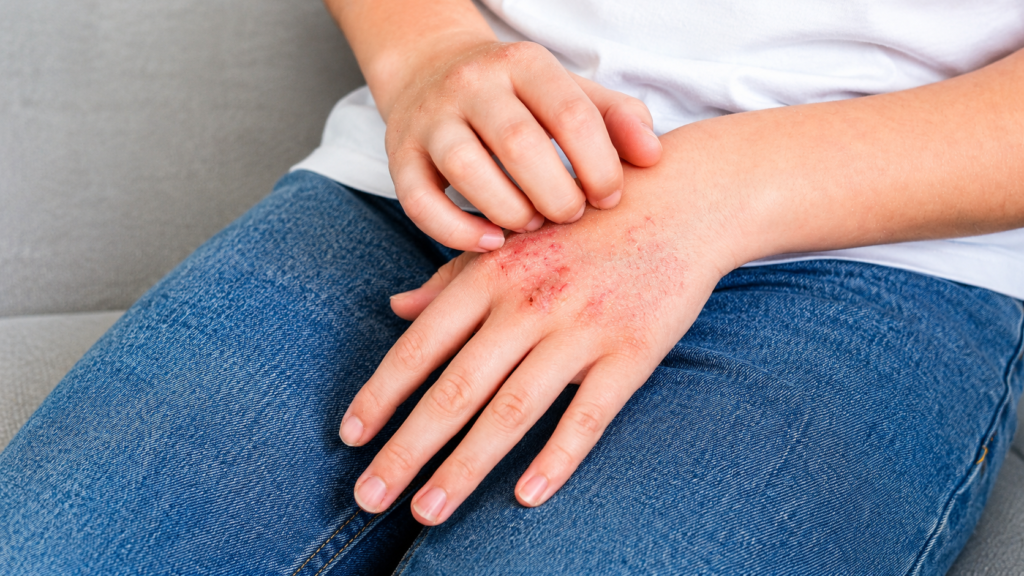
Flaking and Scaling
As the skin loses moisture, dead skin cells accumulate on the surface.
This creates:
- White flakes
- Dry patches
- Rough texture
- Scaly appearance
These flakes often become more noticeable on darker clothing.
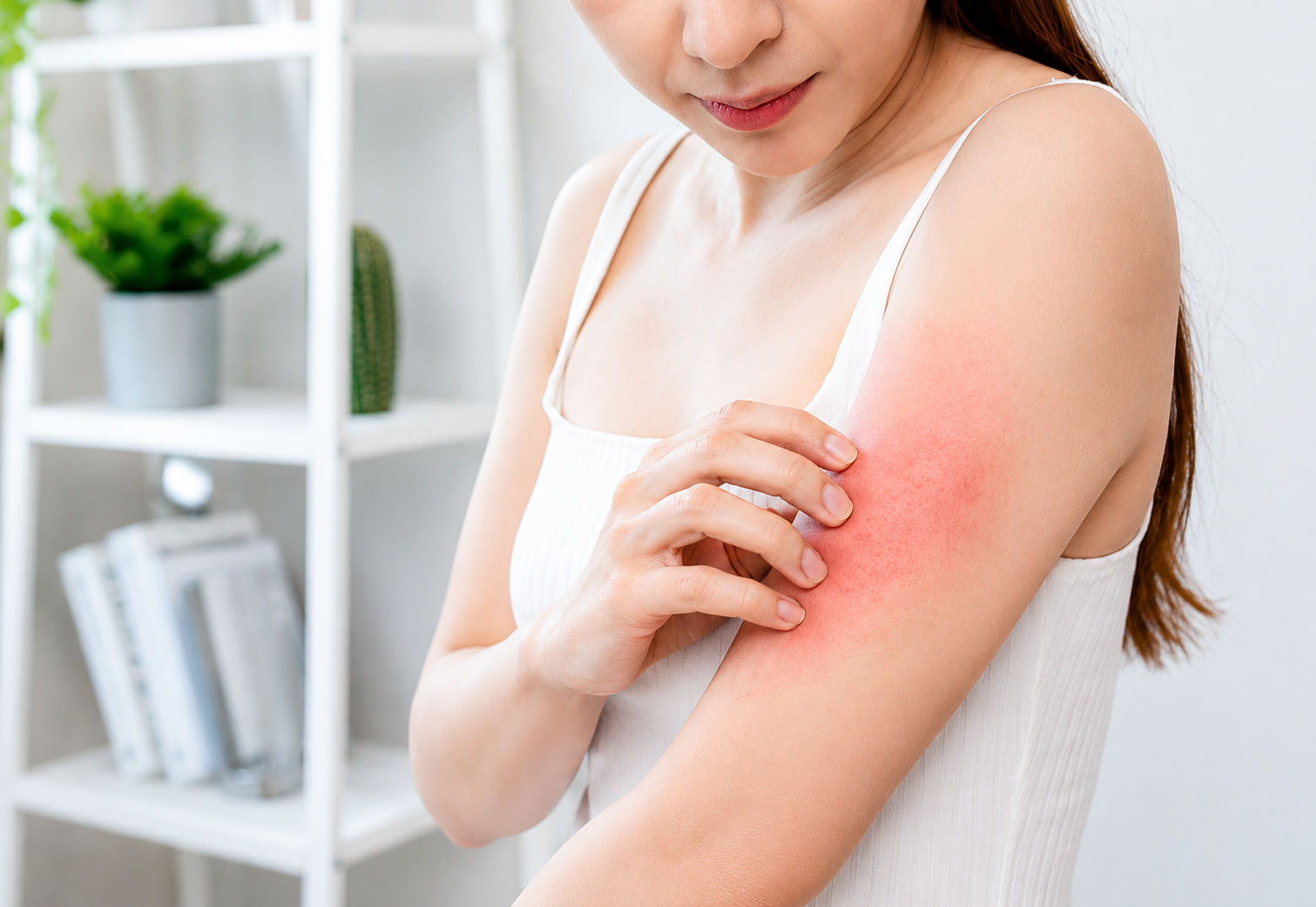
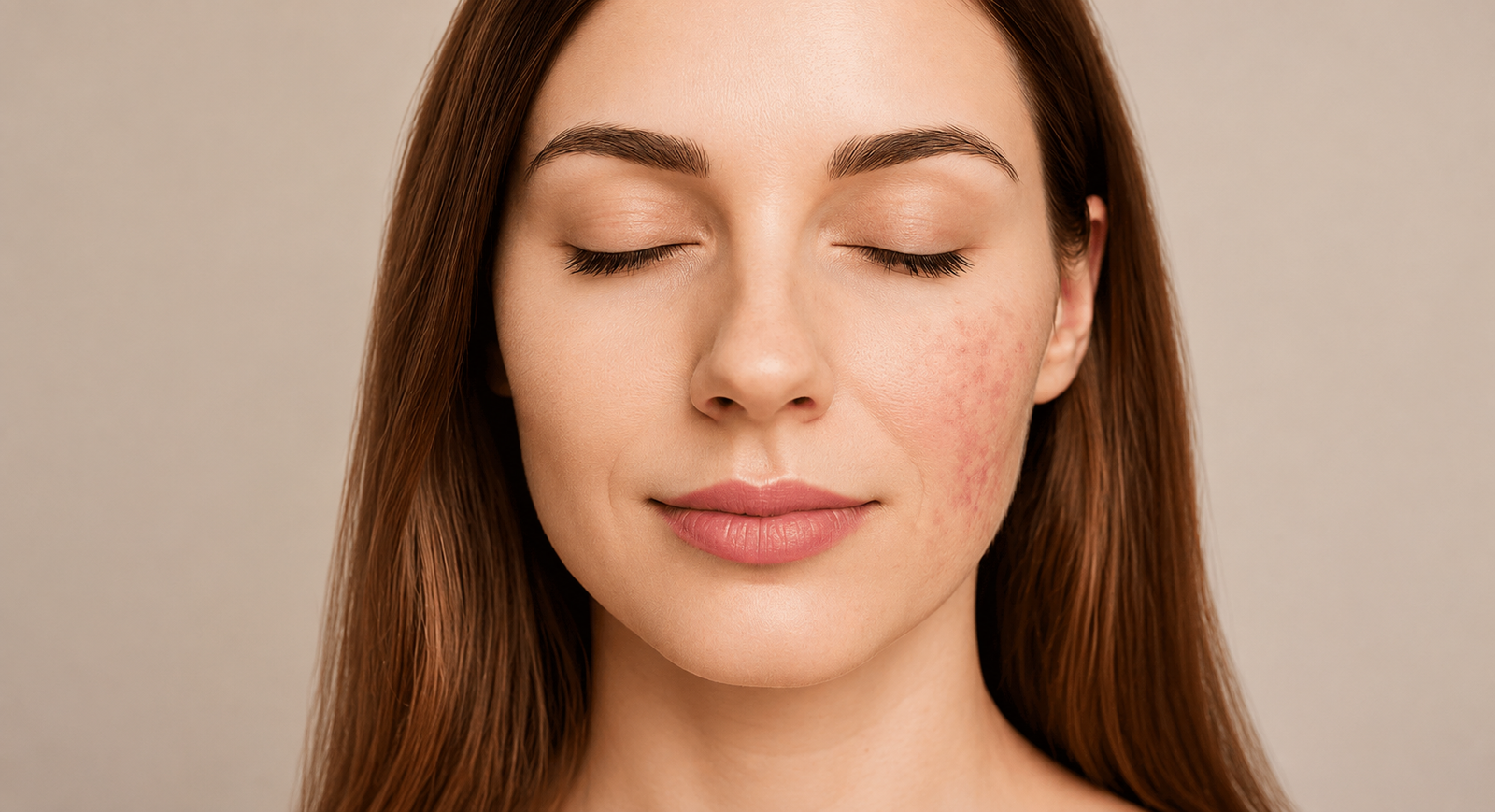
Red or Discolored Patches
Depending on skin tone, eczema skin dryness may appear:
- Red
- Pink
- Brown
- Purple
- Gray
Inflammation beneath the skin causes these color changes.
Cracked Skin
Severe dryness may cause painful cracks.
These cracks:
- Burn
- Sting
- Bleed
- Increase infection risk
Dermatologists recommend treating cracked skin immediately because open skin allows bacteria to enter.
Areas Commonly Affected
Eczema skin dryness can develop almost anywhere.
Adults commonly experience symptoms on:
- Hands
- Neck
- Face
- Eyelids
- Wrists
- Elbows
- Knees
- Feet
- Ankles
Children often develop eczema on:
- Cheeks
- Forehead
- Scalp
- Arms
- Legs
Babies usually experience symptoms on the face before other body parts become affected.
What Causes Eczema Skin Dryness?
There isn’t one single cause behind eczema.
Instead, dermatologists believe several factors work together.
Genetics
Family history plays an important role.
If one or both parents have:
- Eczema
- Asthma
- Hay fever
- Allergies
the chances of developing eczema increase.
Inherited changes in skin barrier proteins may make the skin naturally more prone to dryness.
Environmental Factors
Daily environmental exposure can worsen eczema skin dryness.
Common triggers include:
- Cold weather
- Dry indoor heating
- Air conditioning
- Dust
- Pollution
- Tobacco smoke
- Low humidity
During winter, many people experience more severe eczema because cold air contains less moisture.
Harsh Skin Products
Some skincare products damage the skin barrier instead of protecting it.
Dermatologists usually recommend avoiding products containing:
- Strong fragrances
- Alcohol-based ingredients
- Sulfates
- Harsh soaps
- Artificial dyes
These ingredients remove natural oils that eczema skin desperately needs.
Immune System Response
Eczema also involves an overactive immune response.
Instead of ignoring harmless substances, the immune system reacts strongly to everyday triggers.
This creates inflammation that leads to:
- Redness
- Swelling
- Itching
- Dryness
Because eczema is an inflammatory condition, moisturizing alone may not always be enough during severe flare-ups.
Dermatologist Insight: Why Moisturizing Is the Foundation of Treatment
Most dermatologists agree that repairing the skin barrier is the first step in managing eczema skin dryness. Thick, fragrance-free moisturizers or ointments help reduce water loss, improve hydration, and make the skin more resistant to irritants. Applying moisturizer at least twice daily—especially within a few minutes after bathing—is considered one of the most effective daily habits for controlling eczema. Consistency is more important than using expensive products, and regular moisturizing can reduce flare-ups over time.
Eczema Skin Dryness: Causes, Treatment, and Long-Term Skin Care
Dry skin caused by eczema is more than a cosmetic concern. Dermatologists explain that when the skin barrier is damaged, moisture escapes quickly while allergens, bacteria, and irritants enter the skin more easily. This creates an ongoing cycle of dryness, itching, inflammation, and scratching. Breaking this cycle is one of the most important goals in eczema treatment.
Many people search for a quick cure, but managing eczema skin dryness requires consistent skin care habits rather than temporary fixes. The right routine can reduce flare-ups, strengthen the skin barrier, and keep your skin comfortable throughout the year.
The Skin Barrier and Why It Matters
Healthy skin works like a protective wall. It keeps moisture inside while blocking harmful substances from entering.
In people with eczema, this barrier is weakened. Dermatologists often associate this with reduced skin lipids, altered skin proteins, and inflammation. As a result, water escapes from the skin much faster than normal.
When the skin loses moisture, it becomes:
- Dry
- Tight
- Rough
- Sensitive
- Easily irritated
- More likely to crack
This explains why eczema skin dryness often returns quickly if moisturizers are skipped even for a few days.
Why Scratching Makes Eczema Worse
One of the biggest challenges of eczema is intense itching.
The itch may become stronger:
- During the night
- After sweating
- During winter
- After stress
- After exposure to allergens
Scratching provides temporary relief, but it damages the skin barrier even more.
Dermatologists call this the itch-scratch cycle.
The process looks like this:
Dry Skin → Itching → Scratching → Skin Damage → More Inflammation → More Dryness → More Itching
Breaking this cycle is essential for improving eczema skin dryness.
Signs Your Skin Barrier Needs Repair
You may notice:
- Skin feels tight after washing
- Moisturizer disappears quickly
- Rough texture
- Fine cracks
- Peeling
- White flakes
- Red inflamed patches
- Burning sensation after applying products
These signs indicate your skin needs intensive hydration and barrier repair.
Best Moisturizing Ingredients Recommended by Dermatologists
Not every moisturizer works equally well.
Dermatologists usually recommend products containing barrier-repair ingredients.
Ceramides
Ceramides naturally exist in healthy skin.
Benefits include:
- Strengthening the skin barrier
- Reducing moisture loss
- Improving hydration
- Protecting against irritants
People with eczema often have lower ceramide levels.
Hyaluronic Acid
Hyaluronic acid attracts water into the skin.
It helps:
- Improve hydration
- Reduce tightness
- Increase softness
- Support smoother skin
For eczema skin dryness, hyaluronic acid works best when paired with thicker creams.
Glycerin
Glycerin is one of the safest moisturizing ingredients.
It:
- Draws moisture into the skin
- Prevents dehydration
- Softens rough patches
- Improves skin comfort
Petrolatum
Petrolatum creates a protective layer that locks in moisture.
Dermatologists frequently recommend petroleum jelly because it:
- Reduces water loss
- Protects cracked skin
- Supports healing
- Contains very few irritating ingredients
Colloidal Oatmeal
Colloidal oatmeal is widely recommended for eczema.
Benefits include:
- Soothes itching
- Calms irritation
- Reduces redness
- Helps repair dry skin
Shea Butter
Pure shea butter contains natural fatty acids.
It may help:
- Improve softness
- Reduce dryness
- Protect damaged skin
- Strengthen moisture retention
Choose fragrance-free versions whenever possible.
Ingredients to Avoid
People with eczema skin dryness should avoid products containing:
- Strong fragrance
- Alcohol-based formulas
- Artificial dyes
- Harsh preservatives
- Essential oils (for sensitive skin)
- Strong exfoliating acids during flare-ups
- Rough scrubs
These ingredients can worsen inflammation.
How Often Should You Moisturize?
Dermatologists commonly recommend moisturizing:
- Immediately after bathing
- Every morning
- Before bedtime
- Whenever skin feels dry
Many patients benefit from moisturizing 2–4 times daily.
Consistency is far more important than using expensive products.
The Three-Minute Rule
One dermatologist-recommended habit is called the Three-Minute Rule.
After bathing:
- Pat the skin gently.
- Leave it slightly damp.
- Apply moisturizer within three minutes.
This locks water into the skin before it evaporates.
For eczema skin dryness, this simple habit can make a noticeable difference.
Best Bathing Routine for Eczema
Many people unknowingly worsen eczema during bathing.
Dermatologists recommend:
- Lukewarm water instead of hot water
- Five to ten-minute showers
- Mild fragrance-free cleanser
- Avoid vigorous scrubbing
- Pat skin dry instead of rubbing
- Moisturize immediately afterward
Avoid bubble baths during flare-ups.
Choosing the Right Body Wash
A good cleanser should:
- Be fragrance-free
- Be soap-free
- Have a balanced pH
- Contain moisturizing ingredients
- Avoid sulfates whenever possible
Gentle cleansing protects the skin barrier.
Can You Exfoliate Eczema Skin?
People often wonder whether exfoliation helps eczema skin dryness.
The answer depends on your skin condition.
During active eczema:
- Avoid physical scrubs
- Avoid harsh chemical peels
- Avoid exfoliating gloves
When eczema is fully controlled, a dermatologist may recommend very gentle exfoliation if necessary.
Never exfoliate inflamed eczema patches.
Seasonal Skin Care Tips
Winter
Winter usually causes the worst eczema dryness.
Increase moisturizer frequency.
Use thicker creams.
Wear gloves outdoors.
Avoid long hot showers.
Run a humidifier indoors.
Summer
Sweat may trigger itching.
Choose lightweight cotton clothing.
Shower after heavy sweating.
Continue moisturizing.
Drink enough water.
Clothing Choices
Fabric can affect eczema.
Better options include:
- Cotton
- Bamboo fabric
- Soft breathable materials
Avoid:
- Wool
- Rough synthetic fabrics
- Tight clothing
Comfortable clothing reduces friction and irritation.
Laundry Tips
Laundry products often trigger eczema.
Dermatologists recommend:
- Fragrance-free detergent
- No fabric softener
- Double rinse cycle
- Wash new clothes before wearing
This removes potential irritants.
Diet and Eczema Skin Dryness
Food alone does not cure eczema.
However, overall nutrition supports healthy skin.
A balanced diet should include:
- Fruits
- Vegetables
- Whole grains
- Healthy fats
- Lean protein
- Plenty of water
Some individuals have confirmed food allergies that worsen eczema. In those cases, dietary changes should only be made with guidance from a healthcare professional.
Hydration Matters
Drinking water will not cure eczema, but staying hydrated supports overall skin health.
Combine internal hydration with regular moisturizer use for the best results.
Stress and Eczema
Stress can worsen eczema skin dryness because it increases inflammatory responses in the body.
Helpful stress-management strategies include:
- Walking
- Yoga
- Meditation
- Deep breathing
- Good sleep habits
- Regular exercise
Many dermatologists encourage stress management as part of an eczema care plan.
When Prescription Treatment May Be Needed
Sometimes moisturizers alone are not enough.
A dermatologist may recommend:
- Topical corticosteroids
- Calcineurin inhibitors
- PDE4 inhibitors
- JAK inhibitors (for selected patients)
- Biologic medicines for severe eczema
- Phototherapy in certain cases
These treatments reduce inflammation while helping the skin barrier recover.
Never use prescription creams longer than directed without medical advice.
Warning Signs You Should See a Dermatologist
Schedule a medical evaluation if:
- Dryness becomes severe
- Skin cracks deeply
- Bleeding occurs
- Yellow crusts appear
- Pus develops
- Fever accompanies the rash
- Itching prevents sleep
- Home treatment is not helping after several weeks
A dermatologist can identify infections, allergic triggers, or other skin conditions that may look similar to eczema.
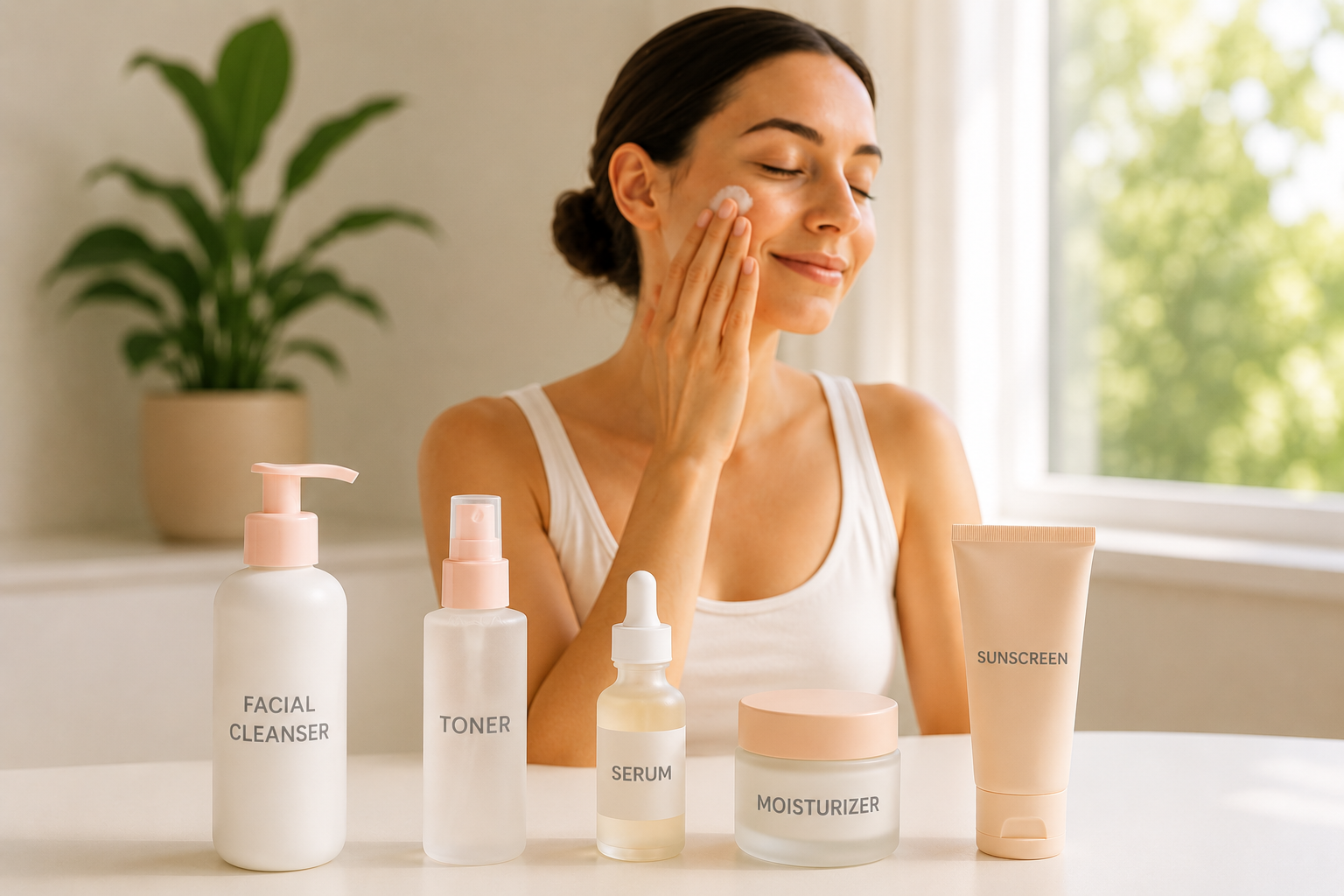
Daily Routine Recommended by Dermatologists
Morning:
- Wash with lukewarm water or a gentle cleanser.
- Pat skin dry.
- Apply a fragrance-free moisturizer.
- Use sunscreen on exposed skin if tolerated.
Evening:
- Take a short lukewarm shower.
- Apply moisturizer within three minutes.
- Use prescribed medication on affected areas if instructed.
- Reapply moisturizer before bedtime.
Following this routine consistently can significantly improve eczema skin dryness and help reduce future flare-ups.
Eczema Skin Dryness: Treatment, Prevention & Expert Dermatologist Advice
If you have eczema, dry skin is not just uncomfortable—it is one of the main reasons flare-ups happen. Dermatologists explain that eczema weakens your skin’s natural barrier, allowing moisture to escape while allergens, bacteria, and irritants enter more easily. This creates a cycle of dryness, itching, redness, inflammation, and scratching.
The good news is that you can significantly improve eczema skin dryness with the right daily routine, proper skincare, and dermatologist-approved treatments.
Advanced Treatments for Eczema Skin Dryness
When moisturizers and home remedies are not enough, dermatologists may recommend medical treatments based on how severe your eczema is.
1. Topical Corticosteroids
Topical corticosteroids are prescription creams or ointments that reduce inflammation during eczema flare-ups.
They help:
- Reduce redness
- Control itching
- Calm inflammation
- Heal cracked skin
- Prevent worsening flare-ups
Dermatologists prescribe different strengths depending on the body area. The face usually requires mild steroids, while thicker skin such as hands and feet may need stronger treatments.
Never use steroid creams longer than recommended by your dermatologist.
2. Non-Steroidal Prescription Creams
Some people need long-term treatment without frequent steroid use.
Dermatologists may prescribe medicines such as:
- Tacrolimus
- Pimecrolimus
- Crisaborole
These medicines reduce inflammation without causing skin thinning and are useful for sensitive areas like the face and neck.
3. Biologic Therapy
For severe eczema that doesn’t improve with creams, dermatologists may recommend biologic medicines.
These medications target the immune system that causes eczema inflammation.
Benefits include:
- Less itching
- Better sleep
- Fewer flare-ups
- Reduced eczema skin dryness
- Healthier skin barrier
These medicines are prescribed only for moderate to severe eczema.
4. Phototherapy (Light Therapy)
Dermatologists sometimes recommend UVB phototherapy.
This treatment helps:
- Reduce inflammation
- Improve severe eczema
- Decrease itching
- Repair damaged skin
Phototherapy is performed under medical supervision.
Can Natural Remedies Help?
Natural remedies cannot cure eczema, but some may help support healthy skin when used alongside dermatologist-recommended treatment.
Colloidal Oatmeal
Colloidal oatmeal is one of the most dermatologist-recommended natural ingredients.
Benefits include:
- Soothes itching
- Reduces irritation
- Helps repair the skin barrier
- Improves moisture retention
Many eczema-friendly creams contain colloidal oatmeal.
Aloe Vera Gel
Pure aloe vera may temporarily soothe irritated skin.
Choose:
- Pure aloe vera
- Fragrance-free
- Alcohol-free
Avoid products with perfumes or artificial colors.
Coconut Oil
Virgin coconut oil may help reduce dryness because it contains natural fatty acids.
It may:
- Improve hydration
- Reduce bacteria
- Support skin barrier repair
If irritation develops, stop using it.
Sunflower Seed Oil
Some dermatologists recommend sunflower seed oil because it may improve skin hydration and reduce water loss.
Home Remedies to Avoid
Some popular internet remedies can actually worsen eczema skin dryness.
Avoid:
- Lemon juice
- Baking soda
- Toothpaste
- Undiluted apple cider vinegar
- Strong essential oils
- Harsh scrubs
- Alcohol-based products
These can damage the already weakened skin barrier.
Daily Skin Care Routine Recommended by Dermatologists
A simple, consistent routine is often the best treatment for eczema skin dryness.
Morning Routine
- Wash with lukewarm water.
- Use a fragrance-free cleanser if needed.
- Pat skin dry with a soft towel.
- Apply moisturizer immediately.
- Use sunscreen if going outside.
Evening Routine
- Take a short lukewarm shower.
- Avoid hot water.
- Pat skin dry.
- Apply prescription medication if advised.
- Cover the entire body with moisturizer.
- Reapply moisturizer before sleeping if your skin feels dry.
Consistency is more important than using expensive skincare products.
Best Ingredients for Eczema Skin Dryness
Dermatologists commonly recommend moisturizers containing:
Ceramides
Help repair the damaged skin barrier and reduce moisture loss.
Glycerin
Attracts water into the skin and keeps it hydrated.
Hyaluronic Acid
Provides deep hydration and improves skin softness.
Petrolatum
Locks moisture inside the skin and protects cracked areas.
Colloidal Oatmeal
Calms itching and soothes irritated skin.
Ingredients to Avoid
People with eczema skin dryness should avoid products containing:
- Fragrance
- Alcohol
- Artificial colors
- Harsh preservatives
- Strong exfoliating acids during flare-ups
- Rough scrubs
The fewer irritating ingredients, the better.
Lifestyle Tips That Help Eczema
Healthy habits play a major role in preventing eczema flare-ups.
Drink Enough Water
Hydration supports overall skin health, although moisturizer remains the most important source of skin hydration.
Eat a Balanced Diet
Include:
- Fruits
- Vegetables
- Healthy fats
- Fish rich in omega-3 fatty acids
- Whole grains
- Lean protein
Unless advised by a doctor, avoid unnecessary food restrictions.
Manage Stress
Stress is a common trigger for eczema.
Helpful activities include:
- Walking
- Yoga
- Meditation
- Deep breathing
- Regular exercise
- Good sleep habits
Winter Skin Care Tips
Winter often makes eczema skin dryness much worse.
Dermatologists recommend:
- Using thick creams instead of lotions.
- Moisturizing several times a day.
- Wearing gloves outdoors.
- Using a humidifier indoors.
- Avoiding long hot showers.
Summer Skin Care Tips
Summer heat and sweating can trigger itching.
To protect your skin:
- Wear breathable cotton clothing.
- Shower after excessive sweating.
- Continue moisturizing daily.
- Stay hydrated.
Can Diet Cure Eczema?
No.
There is currently no scientific evidence that a specific diet cures eczema.
However, people with confirmed food allergies should avoid those foods under medical supervision.
A healthy diet supports healthy skin but does not replace medical treatment.
Common Mistakes That Make Eczema Worse
Many people unknowingly worsen eczema skin dryness.
Avoid these mistakes:
- Taking long hot showers.
- Using scented body washes.
- Skipping moisturizer when skin looks normal.
- Scratching itchy areas.
- Using rough towels.
- Over-exfoliating.
- Trying too many skincare products at once.
Simple routines are usually the most effective.
When Should You Visit a Dermatologist?
See a dermatologist if:
- Your eczema keeps returning.
- Moisturizers no longer help.
- Your skin becomes painful.
- Yellow crusts or pus develop.
- Cracks begin bleeding.
- Itching keeps you awake.
- Home treatment fails after several weeks.
Early treatment can prevent complications and improve long-term skin health.
Frequently Asked Questions
Is eczema skin dryness permanent?
No. Although eczema is a chronic condition, symptoms can be controlled with proper skincare and medical treatment.
What is the best moisturizer for eczema?
Dermatologists usually recommend thick, fragrance-free creams or ointments containing ceramides, glycerin, petrolatum, or colloidal oatmeal.
Can petroleum jelly help eczema?
Yes. Petroleum jelly is one of the most effective moisturizers because it seals moisture into the skin and protects the skin barrier.
Can eczema spread to other people?
No. Eczema is not contagious.
Does stress worsen eczema?
Yes. Stress can trigger flare-ups and make itching worse.
Can I exfoliate eczema skin?
Avoid exfoliating during flare-ups. Scrubs and chemical exfoliants can worsen irritation and increase dryness.
Conclusion
Living with eczema skin dryness can be frustrating, but the condition is manageable with the right approach. Dermatologists agree that protecting the skin barrier is the foundation of treatment. Gentle cleansing, daily moisturizing, avoiding triggers, and using prescribed medications when necessary can significantly reduce dryness, itching, and flare-ups.
Remember that eczema is a long-term condition, so consistency is essential. A simple skincare routine practiced every day is far more effective than trying multiple products or harsh remedies. If your symptoms become severe, painful, or do not improve with home care, consult a dermatologist for a personalized treatment plan.
By following these dermatologist-backed strategies, you can strengthen your skin barrier, minimize eczema skin dryness, and enjoy healthier, smoother, and more comfortable skin throughout the year.