Weeping Skin: Causes, Symptoms, Treatment, and Prevention Guide
What Is Weeping Skin?
Weeping skin is a condition in which the skin leaks clear, yellowish, or sometimes slightly blood-tinged fluid because the outer protective barrier has become damaged. Healthy skin works as a shield that keeps moisture inside and blocks bacteria, viruses, allergens, and irritants from entering the body. When this barrier breaks down due to inflammation, infection, injury, or a chronic skin condition, fluid can escape through the damaged area. This leakage is commonly referred to as weeping skin.
Many people become worried when they notice fluid coming from their skin. While weeping skin is not a disease itself, it is often a sign that another skin condition needs proper attention. In some cases, it develops because of eczema, while in others it may result from a bacterial infection, allergic reaction, severe irritation, burns, or swelling caused by fluid retention.
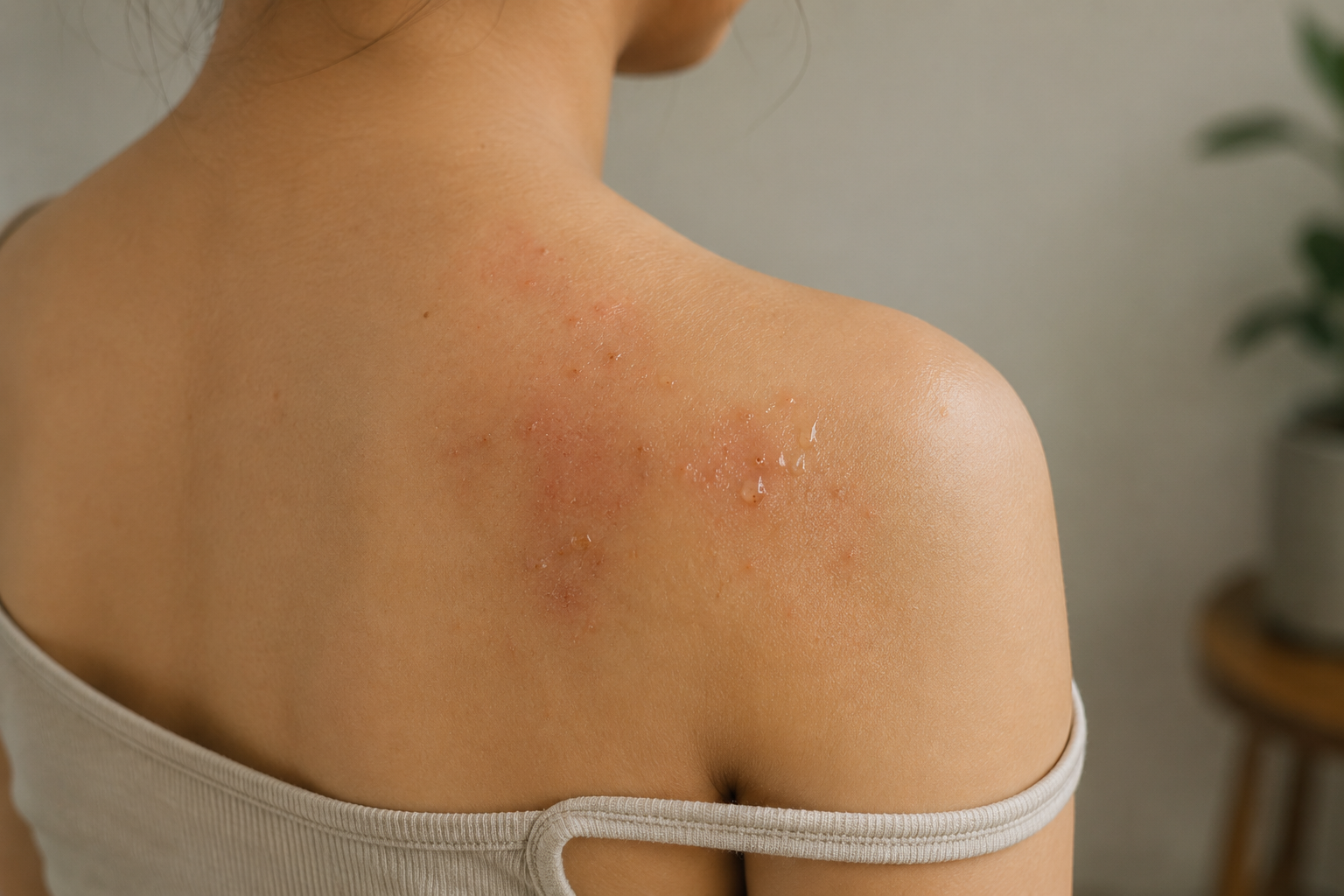
The appearance of weeping skin can vary from person to person. Some individuals notice tiny blisters filled with clear liquid, while others develop moist patches that continuously ooze fluid. As the liquid dries, it often forms a yellow or honey-colored crust. The affected area may also become red, swollen, itchy, sore, or painful.
Ignoring weeping skin can make the condition worse. Damaged skin is more vulnerable to germs, increasing the risk of secondary infections. That is why early treatment and proper skincare are important for healing the skin barrier and preventing further complications.
Why Does Weeping Skin Happen?
The most common reason weeping skin develops is severe inflammation. When the skin becomes inflamed, tiny blood vessels expand and allow fluid to leak into nearby tissues. If the inflammation becomes intense, the fluid eventually reaches the skin surface and begins to ooze out.
Several factors can contribute to weeping skin, including:
- Eczema flare-ups
- Allergic contact dermatitis
- Skin infections
- Frequent scratching
- Burns
- Insect bites
- Poor circulation
- Excess fluid buildup in the body
- Chronic skin diseases
- Autoimmune skin disorders
People who already have dry or sensitive skin are generally at a higher risk of developing weeping skin because their skin barrier is naturally weaker.
Common Symptoms of Weeping Skin
Recognizing the early symptoms of weeping skin can help prevent serious complications. Although symptoms vary depending on the underlying cause, most people experience several common signs.
Typical symptoms include:
- Clear fluid leaking from the skin
- Yellowish or honey-colored crust
- Persistent itching
- Burning sensation
- Skin redness
- Swelling
- Pain or tenderness
- Warm skin
- Small blisters
- Cracked skin
- Moist patches
- Thickened skin after repeated flare-ups
- Difficulty sleeping because of itching
Some people experience mild weeping skin that improves within a few days, while others may develop severe symptoms requiring medical treatment.
What Does Weeping Skin Look Like?
The appearance of weeping skin depends on the underlying condition. During the early stage, the skin often becomes red, irritated, and extremely itchy. Small blisters may develop and gradually fill with clear or pale yellow fluid.
As these blisters burst naturally or because of scratching, the liquid leaks onto the skin surface. Eventually, the fluid dries and forms a sticky yellow crust. If bacteria infect the area, the discharge may become thick, cloudy, greenish, or foul-smelling.
People with darker skin tones may notice purple, gray, or dark brown patches instead of bright redness. After healing, some individuals develop temporary pigmentation changes that slowly improve over time.
Is Weeping Skin Contagious?
One of the most common questions people ask is whether weeping skin can spread from one person to another.
The answer depends on the cause.
If weeping skin is caused by eczema or allergic dermatitis, it is not contagious. You cannot catch eczema by touching another person.
However, if weeping skin develops because of a bacterial, fungal, or viral infection, the germs responsible for the infection may spread through close contact or shared personal items. This is why maintaining good hygiene and avoiding scratching are important.
Common Causes of Weeping Skin
Many different medical conditions can lead to weeping skin. Understanding the underlying cause helps doctors choose the most effective treatment.
1. Eczema
Eczema is one of the leading causes of weeping skin. During severe flare-ups, inflammation damages the skin barrier, allowing fluid to leak from the affected areas.
2. Contact Dermatitis
An allergic reaction to perfumes, cosmetics, soaps, detergents, metals, or chemicals can trigger contact dermatitis. Severe reactions often produce weeping skin with redness and intense itching.
3. Bacterial Infection
Broken skin allows bacteria to enter more easily. Once bacteria multiply, they can cause increased redness, swelling, pus, pain, and weeping skin.
4. Viral Infection
Certain viral infections, including the herpes simplex virus, can produce painful blisters that result in weeping skin, especially in people who already have eczema.
5. Fungal Infection
Some fungal skin infections become inflamed and produce fluid, particularly when the skin is repeatedly scratched.
6. Burns
Both chemical and thermal burns may damage the skin deeply enough to produce weeping skin during the healing process.
7. Venous Leg Ulcers
Poor blood circulation in the legs can cause chronic wounds that continuously leak fluid and appear as weeping skin.
8. Weeping Edema
People with severe swelling caused by heart disease, kidney disease, liver disease, or lymphatic problems may develop weeping skin as excess fluid escapes through stretched skin.
Who Is More Likely to Develop Weeping Skin?
Although anyone can develop weeping skin, certain people have a higher risk.
Risk factors include:
- Having eczema
- Allergies
- Asthma
- Sensitive skin
- Diabetes
- Poor circulation
- Obesity
- Weak immune system
- Older age
- Chronic swelling
- Frequent exposure to chemicals
- Living in extremely dry climates
- Excessive sweating
- Family history of eczema
Understanding these risk factors allows people to take preventive measures before weeping skin becomes severe.
Can Weeping Skin Heal?
Yes. In most cases, weeping skin heals successfully when the underlying cause is treated. Mild cases may improve within several days with proper skincare, while more severe conditions may require prescription medications and medical supervision.
The key to healing weeping skin is identifying what caused the fluid leakage in the first place. Simply covering the rash without treating the underlying problem often delays recovery and increases the chance of infection.
How Is Weeping Skin Diagnosed?
A proper diagnosis is important because weeping skin is not a disease by itself. Instead, it is a symptom of an underlying skin condition or health problem. Identifying the exact cause helps doctors choose the most effective treatment and prevents unnecessary complications.
A healthcare provider will usually begin by asking about your symptoms, medical history, allergies, medications, recent illnesses, and family history of skin conditions. They will carefully examine the affected area, looking for signs such as redness, blisters, swelling, crusting, fluid leakage, or infection.
In some situations, additional tests may be recommended, including:
- Skin swab to check for bacterial infection
- Fungal culture if a fungal infection is suspected
- Blood tests
- Allergy patch testing
- Skin biopsy in rare cases
- Imaging tests if swelling or circulation problems are suspected
Early diagnosis often leads to faster healing and reduces the risk of long-term skin damage.
Best Treatment Options for Weeping Skin
The treatment for weeping skin depends entirely on its underlying cause. A mild eczema flare requires different care than a bacterial infection or fluid retention disorder.
Doctors usually focus on reducing inflammation, protecting the skin barrier, preventing infection, and relieving discomfort.
1. Keep the Skin Clean
One of the first steps in treating weeping skin is keeping the affected area clean without causing further irritation.
Wash the skin gently with lukewarm water and a fragrance-free cleanser. Avoid scrubbing because damaged skin tears easily.
After washing, gently pat the skin dry with a soft towel instead of rubbing.
2. Moisturize Frequently
Many people mistakenly stop moisturizing when they develop weeping skin, but healthy surrounding skin still needs hydration.
Choose thick fragrance-free moisturizers that help restore the skin barrier.
Good options include:
- Petroleum jelly
- Ceramide creams
- Thick emollient ointments
- Fragrance-free moisturizing balms
Apply moisturizer several times daily, especially after washing.
3. Topical Corticosteroids
When weeping skin develops because of eczema or severe dermatitis, doctors often prescribe topical corticosteroid creams.
These medications help:
- Reduce redness
- Calm inflammation
- Relieve itching
- Stop fluid leakage
- Speed healing
Use steroid creams exactly as prescribed because prolonged misuse may thin the skin.
4. Antibiotics
If bacteria infect the damaged skin, antibiotics may be necessary.
Signs of infection include:
- Yellow pus
- Increasing redness
- Warm skin
- Fever
- Pain
- Bad smell
Depending on the severity, doctors may prescribe topical or oral antibiotics.
5. Antiviral Medication
If weeping skin develops because of herpes simplex virus or another viral infection, antiviral medicines may be prescribed.
These medicines work best when started early.
6. Wet Wrap Therapy
Wet wrap therapy is commonly recommended for severe weeping skin, especially in people with eczema.
This treatment involves:
- Applying prescribed medication
- Covering the skin with damp cotton cloth
- Adding a dry layer on top
Wet wraps help reduce inflammation, cool irritated skin, improve moisture retention, and decrease itching.
7. Oral Antihistamines
Although antihistamines do not cure weeping skin, they may reduce itching, especially during the night.
Better sleep often helps the skin recover faster.
Home Remedies for Weeping Skin
Several home care strategies can support medical treatment and help reduce flare-ups.
Use Cool Compresses
Cool compresses soothe irritated weeping skin, reduce burning, and temporarily relieve itching.
Apply a clean damp cloth for 10 to 15 minutes several times each day.
Avoid Scratching
Scratching is one of the biggest reasons weeping skin becomes worse.
Scratching:
- Breaks healthy skin
- Increases fluid leakage
- Raises infection risk
- Delays healing
- Causes permanent skin thickening
Keep fingernails short and wear cotton gloves at night if necessary.
Choose Gentle Skin Care Products
Switch to products designed for sensitive skin.
Avoid:
- Fragranced soaps
- Alcohol-based products
- Strong exfoliants
- Harsh detergents
- Artificial fragrances
Gentle skincare helps protect weeping skin while it heals.
Wear Soft Clothing
Clothing plays a surprisingly important role.
Choose:
- Loose cotton clothing
- Bamboo fabrics
- Soft breathable materials
Avoid:
- Wool
- Rough fabrics
- Tight clothing
- Synthetic fibers
These materials may irritate weeping skin and increase itching.
Stay Hydrated
Drinking enough water supports overall skin health.
Hydrated skin repairs itself more efficiently than dehydrated skin.
Foods That May Support Skin Healing
Although diet alone cannot cure weeping skin, healthy eating supports skin repair and reduces inflammation.
Helpful foods include:
- Salmon
- Sardines
- Walnuts
- Flaxseeds
- Blueberries
- Strawberries
- Spinach
- Broccoli
- Sweet potatoes
- Avocados
- Eggs
- Yogurt
- Pumpkin seeds
Vitamin C, Vitamin D, zinc, omega-3 fatty acids, and protein all contribute to healthy skin recovery.
What Makes Weeping Skin Worse?
Many everyday habits can make weeping skin worse without people realizing it.
Common triggers include:
- Hot showers
- Long baths
- Dry weather
- Sweating
- Stress
- Dust mites
- Pet dander
- Cigarette smoke
- Perfumes
- Harsh soaps
- Tight clothing
- Scratching
- Dirty bandages
- Poor skincare routine
Learning your personal triggers is one of the best ways to prevent future flare-ups.
When Should You See a Doctor?
Although mild weeping skin sometimes improves with proper home care, certain symptoms require immediate medical attention.
See a doctor if:
- Fluid leakage continues for several days
- The rash spreads rapidly
- You develop severe pain
- Thick yellow or green pus appears
- A foul smell develops
- Fever occurs
- The skin becomes extremely swollen
- Red streaks appear
- The rash affects your eyes or face
- Home treatment is not working
- You have diabetes or a weakened immune system
Prompt medical care can prevent serious infections and speed recovery.
How to Prevent Weeping Skin
Preventing weeping skin starts with protecting your skin barrier every day. Whether your symptoms are caused by eczema, contact dermatitis, allergies, or another skin condition, a consistent skincare routine can significantly reduce flare-ups.
Follow these simple habits to lower your risk of developing weeping skin.
Moisturize Every Day
Daily moisturizing is one of the most effective ways to prevent weeping skin. Apply a thick, fragrance-free moisturizer immediately after bathing while your skin is still slightly damp. This helps lock in moisture and strengthens your skin’s natural barrier.
Avoid Your Personal Triggers
Everyone’s triggers are different. Pay attention to what causes your weeping skin to flare up.
Common triggers include:
- Fragranced skincare products
- Harsh soaps
- Strong detergents
- Dust mites
- Pet dander
- Hot weather
- Sweating
- Cold dry air
- Stress
- Certain fabrics
Keeping a symptom diary may help you identify patterns.
Take Short, Lukewarm Showers
Hot water strips away natural oils and may worsen weeping skin. Instead:
- Use lukewarm water.
- Limit showers to 5–10 minutes.
- Pat your skin dry instead of rubbing.
- Apply moisturizer immediately afterward.
Wear Comfortable Clothing
Choose breathable fabrics such as:
- Cotton
- Bamboo
- Soft silk
Avoid:
- Wool
- Polyester
- Tight clothing
- Rough fabrics
These materials can irritate weeping skin and trigger itching.
Keep Your Nails Short
Scratching is one of the biggest reasons weeping skin becomes worse.
Keeping nails trimmed reduces skin damage and lowers the chance of infection.
Manage Stress
Stress is a well-known trigger for many skin conditions.
Simple stress-management techniques include:
- Deep breathing
- Walking
- Yoga
- Meditation
- Getting enough sleep
- Spending time outdoors
Managing stress may reduce the frequency of weeping skin flare-ups.
Possible Complications of Weeping Skin
Without proper treatment, weeping skin can lead to serious complications.
Possible complications include:
- Bacterial skin infection
- Viral skin infection
- Cellulitis
- Skin thickening
- Permanent scarring
- Skin discoloration
- Sleep disturbance
- Anxiety
- Reduced quality of life
- Chronic inflammation
Early treatment greatly reduces these risks.
Weeping Skin vs. Weeping Eczema
Many people confuse weeping skin with weeping eczema, but they are not exactly the same.
| Weeping Skin | Weeping Eczema |
| A general term describing fluid leaking from damaged skin | A specific type of eczema with oozing skin |
| Can occur due to infections, burns, ulcers, edema, allergies, or eczema | Usually caused by severe eczema inflammation |
| May affect any damaged area of skin | Commonly appears on hands, arms, legs, neck, face, and skin folds |
| Treatment depends on the underlying cause | Treatment focuses on eczema management |
Simply put, weeping eczema is one possible cause of weeping skin, but not every case of weeping skin is eczema.
Frequently Asked Questions
Can weeping skin heal naturally?
Mild weeping skin may improve if the cause is minor and the skin is protected. However, persistent or worsening symptoms should be evaluated by a healthcare professional.
Is weeping skin always infected?
No. Weeping skin can occur without an infection. However, damaged skin is more likely to become infected if it is not treated properly.
What color is the fluid from weeping skin?
The fluid is usually clear or pale yellow. Thick yellow, green, or foul-smelling drainage may indicate an infection.
Should I cover weeping skin?
In many cases, using a clean, non-stick dressing can help protect weeping skin from bacteria and reduce irritation. Change dressings regularly and follow your healthcare provider’s advice.
Can children develop weeping skin?
Yes. Babies and children can develop weeping skin, especially if they have eczema or allergic skin conditions.
Is weeping skin contagious?
The condition itself is not contagious. However, if weeping skin is caused by a bacterial, viral, or fungal infection, the germs responsible for the infection may spread.
How long does weeping skin take to heal?
Mild cases often improve within one to two weeks with appropriate care. More severe cases may take longer, especially if infection or chronic skin disease is involved.
Final Thoughts
Weeping skin is a sign that your skin barrier has become damaged and needs proper care. While it can be alarming to see fluid leaking from the skin, early treatment and a consistent skincare routine often lead to successful healing. Identifying the underlying cause—whether it is eczema, dermatitis, an infection, burns, or another condition—is the key to effective treatment.
Protecting your skin every day with gentle cleansing, regular moisturizing, avoiding known triggers, and resisting the urge to scratch can significantly reduce flare-ups. If your weeping skin becomes increasingly painful, develops pus, spreads quickly, or is accompanied by fever or severe swelling, seek medical attention promptly. Early intervention helps prevent complications and supports faster recovery.
By understanding the causes, symptoms, treatment options, and prevention strategies for weeping skin, you can take proactive steps to keep your skin healthier, reduce future flare-ups, and improve your overall quality of life.Weeping Skin: Causes, Symptoms, Treatment, and Prevention Guide
What Is Weeping Skin?
Weeping skin is a condition in which the skin leaks clear, yellowish, or sometimes slightly blood-tinged fluid because the outer protective barrier has become damaged. Healthy skin works as a shield that keeps moisture inside and blocks bacteria, viruses, allergens, and irritants from entering the body. When this barrier breaks down due to inflammation, infection, injury, or a chronic skin condition, fluid can escape through the damaged area. This leakage is commonly referred to as weeping skin.
Many people become worried when they notice fluid coming from their skin. While weeping skin is not a disease itself, it is often a sign that another skin condition needs proper attention. In some cases, it develops because of eczema, while in others it may result from a bacterial infection, allergic reaction, severe irritation, burns, or swelling caused by fluid retention.
The appearance of weeping skin can vary from person to person. Some individuals notice tiny blisters filled with clear liquid, while others develop moist patches that continuously ooze fluid. As the liquid dries, it often forms a yellow or honey-colored crust. The affected area may also become red, swollen, itchy, sore, or painful.
Ignoring weeping skin can make the condition worse. Damaged skin is more vulnerable to germs, increasing the risk of secondary infections. That is why early treatment and proper skincare are important for healing the skin barrier and preventing further complications.
Why Does Weeping Skin Happen?
The most common reason weeping skin develops is severe inflammation. When the skin becomes inflamed, tiny blood vessels expand and allow fluid to leak into nearby tissues. If the inflammation becomes intense, the fluid eventually reaches the skin surface and begins to ooze out.
Several factors can contribute to weeping skin, including:
- Eczema flare-ups
- Allergic contact dermatitis
- Skin infections
- Frequent scratching
- Burns
- Insect bites
- Poor circulation
- Excess fluid buildup in the body
- Chronic skin diseases
- Autoimmune skin disorders
People who already have dry or sensitive skin are generally at a higher risk of developing weeping skin because their skin barrier is naturally weaker.
Common Symptoms of Weeping Skin
Recognizing the early symptoms of weeping skin can help prevent serious complications. Although symptoms vary depending on the underlying cause, most people experience several common signs.
Typical symptoms include:
- Clear fluid leaking from the skin
- Yellowish or honey-colored crust
- Persistent itching
- Burning sensation
- Skin redness
- Swelling
- Pain or tenderness
- Warm skin
- Small blisters
- Cracked skin
- Moist patches
- Thickened skin after repeated flare-ups
- Difficulty sleeping because of itching
Some people experience mild weeping skin that improves within a few days, while others may develop severe symptoms requiring medical treatment.
What Does Weeping Skin Look Like?
The appearance of weeping skin depends on the underlying condition. During the early stage, the skin often becomes red, irritated, and extremely itchy. Small blisters may develop and gradually fill with clear or pale yellow fluid.
As these blisters burst naturally or because of scratching, the liquid leaks onto the skin surface. Eventually, the fluid dries and forms a sticky yellow crust. If bacteria infect the area, the discharge may become thick, cloudy, greenish, or foul-smelling.
People with darker skin tones may notice purple, gray, or dark brown patches instead of bright redness. After healing, some individuals develop temporary pigmentation changes that slowly improve over time.
Is Weeping Skin Contagious?
One of the most common questions people ask is whether weeping skin can spread from one person to another.
The answer depends on the cause.
If weeping skin is caused by eczema or allergic dermatitis, it is not contagious. You cannot catch eczema by touching another person.
However, if weeping skin develops because of a bacterial, fungal, or viral infection, the germs responsible for the infection may spread through close contact or shared personal items. This is why maintaining good hygiene and avoiding scratching are important.
Common Causes of Weeping Skin
Many different medical conditions can lead to weeping skin. Understanding the underlying cause helps doctors choose the most effective treatment.
1. Eczema
Eczema is one of the leading causes of weeping skin. During severe flare-ups, inflammation damages the skin barrier, allowing fluid to leak from the affected areas.
2. Contact Dermatitis
An allergic reaction to perfumes, cosmetics, soaps, detergents, metals, or chemicals can trigger contact dermatitis. Severe reactions often produce weeping skin with redness and intense itching.
3. Bacterial Infection
Broken skin allows bacteria to enter more easily. Once bacteria multiply, they can cause increased redness, swelling, pus, pain, and weeping skin.
4. Viral Infection
Certain viral infections, including the herpes simplex virus, can produce painful blisters that result in weeping skin, especially in people who already have eczema.
5. Fungal Infection
Some fungal skin infections become inflamed and produce fluid, particularly when the skin is repeatedly scratched.
6. Burns
Both chemical and thermal burns may damage the skin deeply enough to produce weeping skin during the healing process.
7. Venous Leg Ulcers
Poor blood circulation in the legs can cause chronic wounds that continuously leak fluid and appear as weeping skin.
8. Weeping Edema
People with severe swelling caused by heart disease, kidney disease, liver disease, or lymphatic problems may develop weeping skin as excess fluid escapes through stretched skin.
Who Is More Likely to Develop Weeping Skin?
Although anyone can develop weeping skin, certain people have a higher risk.
Risk factors include:
- Having eczema
- Allergies
- Asthma
- Sensitive skin
- Diabetes
- Poor circulation
- Obesity
- Weak immune system
- Older age
- Chronic swelling
- Frequent exposure to chemicals
- Living in extremely dry climates
- Excessive sweating
- Family history of eczema
Understanding these risk factors allows people to take preventive measures before weeping skin becomes severe.
Can Weeping Skin Heal?
Yes. In most cases, weeping skin heals successfully when the underlying cause is treated. Mild cases may improve within several days with proper skincare, while more severe conditions may require prescription medications and medical supervision.
The key to healing weeping skin is identifying what caused the fluid leakage in the first place. Simply covering the rash without treating the underlying problem often delays recovery and increases the chance of infection.
How Is Weeping Skin Diagnosed?
A proper diagnosis is important because weeping skin is not a disease by itself. Instead, it is a symptom of an underlying skin condition or health problem. Identifying the exact cause helps doctors choose the most effective treatment and prevents unnecessary complications.
A healthcare provider will usually begin by asking about your symptoms, medical history, allergies, medications, recent illnesses, and family history of skin conditions. They will carefully examine the affected area, looking for signs such as redness, blisters, swelling, crusting, fluid leakage, or infection.
In some situations, additional tests may be recommended, including:
- Skin swab to check for bacterial infection
- Fungal culture if a fungal infection is suspected
- Blood tests
- Allergy patch testing
- Skin biopsy in rare cases
- Imaging tests if swelling or circulation problems are suspected
Early diagnosis often leads to faster healing and reduces the risk of long-term skin damage.
Best Treatment Options for Weeping Skin
The treatment for weeping skin depends entirely on its underlying cause. A mild eczema flare requires different care than a bacterial infection or fluid retention disorder.
Doctors usually focus on reducing inflammation, protecting the skin barrier, preventing infection, and relieving discomfort.
1. Keep the Skin Clean
One of the first steps in treating weeping skin is keeping the affected area clean without causing further irritation.
Wash the skin gently with lukewarm water and a fragrance-free cleanser. Avoid scrubbing because damaged skin tears easily.
After washing, gently pat the skin dry with a soft towel instead of rubbing.
2. Moisturize Frequently
Many people mistakenly stop moisturizing when they develop weeping skin, but healthy surrounding skin still needs hydration.
Choose thick fragrance-free moisturizers that help restore the skin barrier.
Good options include:
- Petroleum jelly
- Ceramide creams
- Thick emollient ointments
- Fragrance-free moisturizing balms
Apply moisturizer several times daily, especially after washing.
3. Topical Corticosteroids
When weeping skin develops because of eczema or severe dermatitis, doctors often prescribe topical corticosteroid creams.
These medications help:
- Reduce redness
- Calm inflammation
- Relieve itching
- Stop fluid leakage
- Speed healing
Use steroid creams exactly as prescribed because prolonged misuse may thin the skin.
4. Antibiotics
If bacteria infect the damaged skin, antibiotics may be necessary.
Signs of infection include:
- Yellow pus
- Increasing redness
- Warm skin
- Fever
- Pain
- Bad smell
Depending on the severity, doctors may prescribe topical or oral antibiotics.
5. Antiviral Medication
If weeping skin develops because of herpes simplex virus or another viral infection, antiviral medicines may be prescribed.
These medicines work best when started early.
6. Wet Wrap Therapy
Wet wrap therapy is commonly recommended for severe weeping skin, especially in people with eczema.
This treatment involves:
- Applying prescribed medication
- Covering the skin with damp cotton cloth
- Adding a dry layer on top
Wet wraps help reduce inflammation, cool irritated skin, improve moisture retention, and decrease itching.
7. Oral Antihistamines
Although antihistamines do not cure weeping skin, they may reduce itching, especially during the night.
Better sleep often helps the skin recover faster.
Home Remedies for Weeping Skin
Several home care strategies can support medical treatment and help reduce flare-ups.
Use Cool Compresses
Cool compresses soothe irritated weeping skin, reduce burning, and temporarily relieve itching.
Apply a clean damp cloth for 10 to 15 minutes several times each day.
Avoid Scratching
Scratching is one of the biggest reasons weeping skin becomes worse.
Scratching:
- Breaks healthy skin
- Increases fluid leakage
- Raises infection risk
- Delays healing
- Causes permanent skin thickening
Keep fingernails short and wear cotton gloves at night if necessary.
Choose Gentle Skin Care Products
Switch to products designed for sensitive skin.
Avoid:
- Fragranced soaps
- Alcohol-based products
- Strong exfoliants
- Harsh detergents
- Artificial fragrances
Gentle skincare helps protect weeping skin while it heals.
Wear Soft Clothing
Clothing plays a surprisingly important role.
Choose:
- Loose cotton clothing
- Bamboo fabrics
- Soft breathable materials
Avoid:
- Wool
- Rough fabrics
- Tight clothing
- Synthetic fibers
These materials may irritate weeping skin and increase itching.
Stay Hydrated
Drinking enough water supports overall skin health.
Hydrated skin repairs itself more efficiently than dehydrated skin.
Foods That May Support Skin Healing
Although diet alone cannot cure weeping skin, healthy eating supports skin repair and reduces inflammation.
Helpful foods include:
- Salmon
- Sardines
- Walnuts
- Flaxseeds
- Blueberries
- Strawberries
- Spinach
- Broccoli
- Sweet potatoes
- Avocados
- Eggs
- Yogurt
- Pumpkin seeds
Vitamin C, Vitamin D, zinc, omega-3 fatty acids, and protein all contribute to healthy skin recovery.
What Makes Weeping Skin Worse?
Many everyday habits can make weeping skin worse without people realizing it.
Common triggers include:
- Hot showers
- Long baths
- Dry weather
- Sweating
- Stress
- Dust mites
- Pet dander
- Cigarette smoke
- Perfumes
- Harsh soaps
- Tight clothing
- Scratching
- Dirty bandages
- Poor skincare routine
Learning your personal triggers is one of the best ways to prevent future flare-ups.
When Should You See a Doctor?
Although mild weeping skin sometimes improves with proper home care, certain symptoms require immediate medical attention.
See a doctor if:
- Fluid leakage continues for several days
- The rash spreads rapidly
- You develop severe pain
- Thick yellow or green pus appears
- A foul smell develops
- Fever occurs
- The skin becomes extremely swollen
- Red streaks appear
- The rash affects your eyes or face
- Home treatment is not working
- You have diabetes or a weakened immune system
Prompt medical care can prevent serious infections and speed recovery.
How to Prevent Weeping Skin
Preventing weeping skin starts with protecting your skin barrier every day. Whether your symptoms are caused by eczema, contact dermatitis, allergies, or another skin condition, a consistent skincare routine can significantly reduce flare-ups.
Follow these simple habits to lower your risk of developing weeping skin.
Moisturize Every Day
Daily moisturizing is one of the most effective ways to prevent weeping skin. Apply a thick, fragrance-free moisturizer immediately after bathing while your skin is still slightly damp. This helps lock in moisture and strengthens your skin’s natural barrier.
Avoid Your Personal Triggers
Everyone’s triggers are different. Pay attention to what causes your weeping skin to flare up.
Common triggers include:
- Fragranced skincare products
- Harsh soaps
- Strong detergents
- Dust mites
- Pet dander
- Hot weather
- Sweating
- Cold dry air
- Stress
- Certain fabrics
Keeping a symptom diary may help you identify patterns.
Take Short, Lukewarm Showers
Hot water strips away natural oils and may worsen weeping skin. Instead:
- Use lukewarm water.
- Limit showers to 5–10 minutes.
- Pat your skin dry instead of rubbing.
- Apply moisturizer immediately afterward.
Wear Comfortable Clothing
Choose breathable fabrics such as:
- Cotton
- Bamboo
- Soft silk
Avoid:
- Wool
- Polyester
- Tight clothing
- Rough fabrics
These materials can irritate weeping skin and trigger itching.
Keep Your Nails Short
Scratching is one of the biggest reasons weeping skin becomes worse.
Keeping nails trimmed reduces skin damage and lowers the chance of infection.
Manage Stress
Stress is a well-known trigger for many skin conditions.
Simple stress-management techniques include:
- Deep breathing
- Walking
- Yoga
- Meditation
- Getting enough sleep
- Spending time outdoors
Managing stress may reduce the frequency of weeping skin flare-ups.
Possible Complications of Weeping Skin
Without proper treatment, weeping skin can lead to serious complications.
Possible complications include:
- Bacterial skin infection
- Viral skin infection
- Cellulitis
- Skin thickening
- Permanent scarring
- Skin discoloration
- Sleep disturbance
- Anxiety
- Reduced quality of life
- Chronic inflammation
Early treatment greatly reduces these risks.
Weeping Skin vs. Weeping Eczema
Many people confuse weeping skin with weeping eczema, but they are not exactly the same.
| Weeping Skin | Weeping Eczema |
| A general term describing fluid leaking from damaged skin | A specific type of eczema with oozing skin |
| Can occur due to infections, burns, ulcers, edema, allergies, or eczema | Usually caused by severe eczema inflammation |
| May affect any damaged area of skin | Commonly appears on hands, arms, legs, neck, face, and skin folds |
| Treatment depends on the underlying cause | Treatment focuses on eczema management |
Simply put, weeping eczema is one possible cause of weeping skin, but not every case of weeping skin is eczema.
Frequently Asked Questions
Can weeping skin heal naturally?
Mild weeping skin may improve if the cause is minor and the skin is protected. However, persistent or worsening symptoms should be evaluated by a healthcare professional.
Is weeping skin always infected?
No. Weeping skin can occur without an infection. However, damaged skin is more likely to become infected if it is not treated properly.
What color is the fluid from weeping skin?
The fluid is usually clear or pale yellow. Thick yellow, green, or foul-smelling drainage may indicate an infection.
Should I cover weeping skin?
In many cases, using a clean, non-stick dressing can help protect weeping skin from bacteria and reduce irritation. Change dressings regularly and follow your healthcare provider’s advice.
Can children develop weeping skin?
Yes. Babies and children can develop weeping skin, especially if they have eczema or allergic skin conditions.
Is weeping skin contagious?
The condition itself is not contagious. However, if weeping skin is caused by a bacterial, viral, or fungal infection, the germs responsible for the infection may spread.
How long does weeping skin take to heal?
Mild cases often improve within one to two weeks with appropriate care. More severe cases may take longer, especially if infection or chronic skin disease is involved.
Final Thoughts
Weeping skin is a sign that your skin barrier has become damaged and needs proper care. While it can be alarming to see fluid leaking from the skin, early treatment and a consistent skincare routine often lead to successful healing. Identifying the underlying cause—whether it is eczema, dermatitis, an infection, burns, or another condition—is the key to effective treatment.
Protecting your skin every day with gentle cleansing, regular moisturizing, avoiding known triggers, and resisting the urge to scratch can significantly reduce flare-ups. If your weeping skin becomes increasingly painful, develops pus, spreads quickly, or is accompanied by fever or severe swelling, seek medical attention promptly. Early intervention helps prevent complications and supports faster recovery.
By understanding the causes, symptoms, treatment options, and prevention strategies for weeping skin, you can take proactive steps to keep your skin healthier, reduce future flare-ups, and improve your overall quality of life.
What Is Weeping Skin?
Weeping skin is a condition in which the skin leaks clear, yellowish, or sometimes slightly blood-tinged fluid because the outer protective barrier has become damaged. Healthy skin works as a shield that keeps moisture inside and blocks bacteria, viruses, allergens, and irritants from entering the body. When this barrier breaks down due to inflammation, infection, injury, or a chronic skin condition, fluid can escape through the damaged area. This leakage is commonly referred to as weeping skin.
Many people become worried when they notice fluid coming from their skin. While weeping skin is not a disease itself, it is often a sign that another skin condition needs proper attention. In some cases, it develops because of eczema, while in others it may result from a bacterial infection, allergic reaction, severe irritation, burns, or swelling caused by fluid retention.
The appearance of weeping skin can vary from person to person. Some individuals notice tiny blisters filled with clear liquid, while others develop moist patches that continuously ooze fluid. As the liquid dries, it often forms a yellow or honey-colored crust. The affected area may also become red, swollen, itchy, sore, or painful.
Ignoring weeping skin can make the condition worse. Damaged skin is more vulnerable to germs, increasing the risk of secondary infections. That is why early treatment and proper skincare are important for healing the skin barrier and preventing further complications.
Why Does Weeping Skin Happen?
The most common reason weeping skin develops is severe inflammation. When the skin becomes inflamed, tiny blood vessels expand and allow fluid to leak into nearby tissues. If the inflammation becomes intense, the fluid eventually reaches the skin surface and begins to ooze out.
Several factors can contribute to weeping skin, including:
- Eczema flare-ups
- Allergic contact dermatitis
- Skin infections
- Frequent scratching
- Burns
- Insect bites
- Poor circulation
- Excess fluid buildup in the body
- Chronic skin diseases
- Autoimmune skin disorders
People who already have dry or sensitive skin are generally at a higher risk of developing weeping skin because their skin barrier is naturally weaker.
Common Symptoms of Weeping Skin
Recognizing the early symptoms of weeping skin can help prevent serious complications. Although symptoms vary depending on the underlying cause, most people experience several common signs.
Typical symptoms include:
- Clear fluid leaking from the skin
- Yellowish or honey-colored crust
- Persistent itching
- Burning sensation
- Skin redness
- Swelling
- Pain or tenderness
- Warm skin
- Small blisters
- Cracked skin
- Moist patches
- Thickened skin after repeated flare-ups
- Difficulty sleeping because of itching
Some people experience mild weeping skin that improves within a few days, while others may develop severe symptoms requiring medical treatment.
What Does Weeping Skin Look Like?
The appearance of weeping skin depends on the underlying condition. During the early stage, the skin often becomes red, irritated, and extremely itchy. Small blisters may develop and gradually fill with clear or pale yellow fluid.
As these blisters burst naturally or because of scratching, the liquid leaks onto the skin surface. Eventually, the fluid dries and forms a sticky yellow crust. If bacteria infect the area, the discharge may become thick, cloudy, greenish, or foul-smelling.
People with darker skin tones may notice purple, gray, or dark brown patches instead of bright redness. After healing, some individuals develop temporary pigmentation changes that slowly improve over time.
Is Weeping Skin Contagious?
One of the most common questions people ask is whether weeping skin can spread from one person to another.
The answer depends on the cause.
If weeping skin is caused by eczema or allergic dermatitis, it is not contagious. You cannot catch eczema by touching another person.
However, if weeping skin develops because of a bacterial, fungal, or viral infection, the germs responsible for the infection may spread through close contact or shared personal items. This is why maintaining good hygiene and avoiding scratching are important.
Common Causes of Weeping Skin
Many different medical conditions can lead to weeping skin. Understanding the underlying cause helps doctors choose the most effective treatment.
1. Eczema
Eczema is one of the leading causes of weeping skin. During severe flare-ups, inflammation damages the skin barrier, allowing fluid to leak from the affected areas.
2. Contact Dermatitis
An allergic reaction to perfumes, cosmetics, soaps, detergents, metals, or chemicals can trigger contact dermatitis. Severe reactions often produce weeping skin with redness and intense itching.
3. Bacterial Infection
Broken skin allows bacteria to enter more easily. Once bacteria multiply, they can cause increased redness, swelling, pus, pain, and weeping skin.
4. Viral Infection
Certain viral infections, including the herpes simplex virus, can produce painful blisters that result in weeping skin, especially in people who already have eczema.
5. Fungal Infection
Some fungal skin infections become inflamed and produce fluid, particularly when the skin is repeatedly scratched.
6. Burns
Both chemical and thermal burns may damage the skin deeply enough to produce weeping skin during the healing process.
7. Venous Leg Ulcers
Poor blood circulation in the legs can cause chronic wounds that continuously leak fluid and appear as weeping skin.
8. Weeping Edema
People with severe swelling caused by heart disease, kidney disease, liver disease, or lymphatic problems may develop weeping skin as excess fluid escapes through stretched skin.
Who Is More Likely to Develop Weeping Skin?
Although anyone can develop weeping skin, certain people have a higher risk.
Risk factors include:
- Having eczema
- Allergies
- Asthma
- Sensitive skin
- Diabetes
- Poor circulation
- Obesity
- Weak immune system
- Older age
- Chronic swelling
- Frequent exposure to chemicals
- Living in extremely dry climates
- Excessive sweating
- Family history of eczema
Understanding these risk factors allows people to take preventive measures before weeping skin becomes severe.
Can Weeping Skin Heal?
Yes. In most cases, weeping skin heals successfully when the underlying cause is treated. Mild cases may improve within several days with proper skincare, while more severe conditions may require prescription medications and medical supervision.
The key to healing weeping skin is identifying what caused the fluid leakage in the first place. Simply covering the rash without treating the underlying problem often delays recovery and increases the chance of infection.
How Is Weeping Skin Diagnosed?
A proper diagnosis is important because weeping skin is not a disease by itself. Instead, it is a symptom of an underlying skin condition or health problem. Identifying the exact cause helps doctors choose the most effective treatment and prevents unnecessary complications.
A healthcare provider will usually begin by asking about your symptoms, medical history, allergies, medications, recent illnesses, and family history of skin conditions. They will carefully examine the affected area, looking for signs such as redness, blisters, swelling, crusting, fluid leakage, or infection.
In some situations, additional tests may be recommended, including:
- Skin swab to check for bacterial infection
- Fungal culture if a fungal infection is suspected
- Blood tests
- Allergy patch testing
- Skin biopsy in rare cases
- Imaging tests if swelling or circulation problems are suspected
Early diagnosis often leads to faster healing and reduces the risk of long-term skin damage.
Best Treatment Options for Weeping Skin
The treatment for weeping skin depends entirely on its underlying cause. A mild eczema flare requires different care than a bacterial infection or fluid retention disorder.
Doctors usually focus on reducing inflammation, protecting the skin barrier, preventing infection, and relieving discomfort.
1. Keep the Skin Clean
One of the first steps in treating weeping skin is keeping the affected area clean without causing further irritation.
Wash the skin gently with lukewarm water and a fragrance-free cleanser. Avoid scrubbing because damaged skin tears easily.
After washing, gently pat the skin dry with a soft towel instead of rubbing.
2. Moisturize Frequently
Many people mistakenly stop moisturizing when they develop weeping skin, but healthy surrounding skin still needs hydration.
Choose thick fragrance-free moisturizers that help restore the skin barrier.
Good options include:
- Petroleum jelly
- Ceramide creams
- Thick emollient ointments
- Fragrance-free moisturizing balms
Apply moisturizer several times daily, especially after washing.
3. Topical Corticosteroids
When weeping skin develops because of eczema or severe dermatitis, doctors often prescribe topical corticosteroid creams.
These medications help:
- Reduce redness
- Calm inflammation
- Relieve itching
- Stop fluid leakage
- Speed healing
Use steroid creams exactly as prescribed because prolonged misuse may thin the skin.
4. Antibiotics
If bacteria infect the damaged skin, antibiotics may be necessary.
Signs of infection include:
- Yellow pus
- Increasing redness
- Warm skin
- Fever
- Pain
- Bad smell
Depending on the severity, doctors may prescribe topical or oral antibiotics.
5. Antiviral Medication
If weeping skin develops because of herpes simplex virus or another viral infection, antiviral medicines may be prescribed.
These medicines work best when started early.
6. Wet Wrap Therapy
Wet wrap therapy is commonly recommended for severe weeping skin, especially in people with eczema.
This treatment involves:
- Applying prescribed medication
- Covering the skin with damp cotton cloth
- Adding a dry layer on top
Wet wraps help reduce inflammation, cool irritated skin, improve moisture retention, and decrease itching.
7. Oral Antihistamines
Although antihistamines do not cure weeping skin, they may reduce itching, especially during the night.
Better sleep often helps the skin recover faster.
Home Remedies for Weeping Skin
Several home care strategies can support medical treatment and help reduce flare-ups.
Use Cool Compresses
Cool compresses soothe irritated weeping skin, reduce burning, and temporarily relieve itching.
Apply a clean damp cloth for 10 to 15 minutes several times each day.
Avoid Scratching
Scratching is one of the biggest reasons weeping skin becomes worse.
Scratching:
- Breaks healthy skin
- Increases fluid leakage
- Raises infection risk
- Delays healing
- Causes permanent skin thickening
Keep fingernails short and wear cotton gloves at night if necessary.
Choose Gentle Skin Care Products
Switch to products designed for sensitive skin.
Avoid:
- Fragranced soaps
- Alcohol-based products
- Strong exfoliants
- Harsh detergents
- Artificial fragrances
Gentle skincare helps protect weeping skin while it heals.
Wear Soft Clothing
Clothing plays a surprisingly important role.
Choose:
- Loose cotton clothing
- Bamboo fabrics
- Soft breathable materials
Avoid:
- Wool
- Rough fabrics
- Tight clothing
- Synthetic fibers
These materials may irritate weeping skin and increase itching.
Stay Hydrated
Drinking enough water supports overall skin health.
Hydrated skin repairs itself more efficiently than dehydrated skin.
Foods That May Support Skin Healing
Although diet alone cannot cure weeping skin, healthy eating supports skin repair and reduces inflammation.
Helpful foods include:
- Salmon
- Sardines
- Walnuts
- Flaxseeds
- Blueberries
- Strawberries
- Spinach
- Broccoli
- Sweet potatoes
- Avocados
- Eggs
- Yogurt
- Pumpkin seeds
Vitamin C, Vitamin D, zinc, omega-3 fatty acids, and protein all contribute to healthy skin recovery.
What Makes Weeping Skin Worse?
Many everyday habits can make weeping skin worse without people realizing it.
Common triggers include:
- Hot showers
- Long baths
- Dry weather
- Sweating
- Stress
- Dust mites
- Pet dander
- Cigarette smoke
- Perfumes
- Harsh soaps
- Tight clothing
- Scratching
- Dirty bandages
- Poor skincare routine
Learning your personal triggers is one of the best ways to prevent future flare-ups.
When Should You See a Doctor?
Although mild weeping skin sometimes improves with proper home care, certain symptoms require immediate medical attention.
See a doctor if:
- Fluid leakage continues for several days
- The rash spreads rapidly
- You develop severe pain
- Thick yellow or green pus appears
- A foul smell develops
- Fever occurs
- The skin becomes extremely swollen
- Red streaks appear
- The rash affects your eyes or face
- Home treatment is not working
- You have diabetes or a weakened immune system
Prompt medical care can prevent serious infections and speed recovery.
How to Prevent Weeping Skin
Preventing weeping skin starts with protecting your skin barrier every day. Whether your symptoms are caused by eczema, contact dermatitis, allergies, or another skin condition, a consistent skincare routine can significantly reduce flare-ups.
Follow these simple habits to lower your risk of developing weeping skin.
Moisturize Every Day
Daily moisturizing is one of the most effective ways to prevent weeping skin. Apply a thick, fragrance-free moisturizer immediately after bathing while your skin is still slightly damp. This helps lock in moisture and strengthens your skin’s natural barrier.
Avoid Your Personal Triggers
Everyone’s triggers are different. Pay attention to what causes your weeping skin to flare up.
Common triggers include:
- Fragranced skincare products
- Harsh soaps
- Strong detergents
- Dust mites
- Pet dander
- Hot weather
- Sweating
- Cold dry air
- Stress
- Certain fabrics
Keeping a symptom diary may help you identify patterns.
Take Short, Lukewarm Showers
Hot water strips away natural oils and may worsen weeping skin. Instead:
- Use lukewarm water.
- Limit showers to 5–10 minutes.
- Pat your skin dry instead of rubbing.
- Apply moisturizer immediately afterward.
Wear Comfortable Clothing
Choose breathable fabrics such as:
- Cotton
- Bamboo
- Soft silk
Avoid:
- Wool
- Polyester
- Tight clothing
- Rough fabrics
These materials can irritate weeping skin and trigger itching.
Keep Your Nails Short
Scratching is one of the biggest reasons weeping skin becomes worse.
Keeping nails trimmed reduces skin damage and lowers the chance of infection.
Manage Stress
Stress is a well-known trigger for many skin conditions.
Simple stress-management techniques include:
- Deep breathing
- Walking
- Yoga
- Meditation
- Getting enough sleep
- Spending time outdoors
Managing stress may reduce the frequency of weeping skin flare-ups.
Possible Complications of Weeping Skin
Without proper treatment, weeping skin can lead to serious complications.
Possible complications include:
- Bacterial skin infection
- Viral skin infection
- Cellulitis
- Skin thickening
- Permanent scarring
- Skin discoloration
- Sleep disturbance
- Anxiety
- Reduced quality of life
- Chronic inflammation
Early treatment greatly reduces these risks.
Weeping Skin vs. Weeping Eczema
Many people confuse weeping skin with weeping eczema, but they are not exactly the same.
| Weeping Skin | Weeping Eczema |
| A general term describing fluid leaking from damaged skin | A specific type of eczema with oozing skin |
| Can occur due to infections, burns, ulcers, edema, allergies, or eczema | Usually caused by severe eczema inflammation |
| May affect any damaged area of skin | Commonly appears on hands, arms, legs, neck, face, and skin folds |
| Treatment depends on the underlying cause | Treatment focuses on eczema management |
Simply put, weeping eczema is one possible cause of weeping skin, but not every case of weeping skin is eczema.
Frequently Asked Questions
Can weeping skin heal naturally?
Mild weeping skin may improve if the cause is minor and the skin is protected. However, persistent or worsening symptoms should be evaluated by a healthcare professional.
Is weeping skin always infected?
No. Weeping skin can occur without an infection. However, damaged skin is more likely to become infected if it is not treated properly.
What color is the fluid from weeping skin?
The fluid is usually clear or pale yellow. Thick yellow, green, or foul-smelling drainage may indicate an infection.
Should I cover weeping skin?
In many cases, using a clean, non-stick dressing can help protect weeping skin from bacteria and reduce irritation. Change dressings regularly and follow your healthcare provider’s advice.
Can children develop weeping skin?
Yes. Babies and children can develop weeping skin, especially if they have eczema or allergic skin conditions.
Is weeping skin contagious?
The condition itself is not contagious. However, if weeping skin is caused by a bacterial, viral, or fungal infection, the germs responsible for the infection may spread.
How long does weeping skin take to heal?
Mild cases often improve within one to two weeks with appropriate care. More severe cases may take longer, especially if infection or chronic skin disease is involved.
Final Thoughts
Weeping skin is a sign that your skin barrier has become damaged and needs proper care. While it can be alarming to see fluid leaking from the skin, early treatment and a consistent skincare routine often lead to successful healing. Identifying the underlying cause—whether it is eczema, dermatitis, an infection, burns, or another condition—is the key to effective treatment.
Protecting your skin every day with gentle cleansing, regular moisturizing, avoiding known triggers, and resisting the urge to scratch can significantly reduce flare-ups. If your weeping skin becomes increasingly painful, develops pus, spreads quickly, or is accompanied by fever or severe swelling, seek medical attention promptly. Early intervention helps prevent complications and supports faster recovery.
By understanding the causes, symptoms, treatment options, and prevention strategies for weeping skin, you can take proactive steps to keep your skin healthier, reduce future flare-ups, and improve your overall quality of life.