Have you ever looked down at your feet and wondered, why is the skin on my feet peeling? You’re not alone. Many people experience peeling skin on their feet at some point in their lives. Sometimes it’s nothing more than dry skin caused by weather changes or dehydration. In other cases, why is the skin on my feet peeling may have a more specific answer, such as a fungal infection, eczema, psoriasis, or another skin condition.
Your feet work hard every day. They support your body weight, absorb pressure while walking, and spend hours inside socks and shoes where heat and moisture build up. Because of this constant stress, the skin on your feet can become dry, irritated, or damaged. When the skin barrier weakens, peeling often becomes one of the first noticeable signs.
If you’re asking yourself why is the skin on my feet peeling, the good news is that most causes are treatable. Understanding what is causing the problem is the first step toward choosing the right treatment and preventing it from returning.
In this complete guide, you’ll learn the most common causes of peeling feet, how to identify the symptoms, the best home remedies, medical treatments, and practical prevention tips to keep your feet healthy all year round.
Why Is the Skin on My Feet Peeling?
The answer to why is the skin on my feet peeling depends on several different factors. Peeling happens when the outer layer of skin becomes damaged or starts shedding faster than normal. This can happen because of dryness, infections, inflammation, excessive sweating, allergies, or friction.
Some people notice peeling only between their toes, while others see it on the heels, soles, or the entire foot. The location of the peeling often provides important clues about the underlying cause.
Some of the most common reasons include:
- Dry skin
- Athlete’s foot
- Eczema
- Psoriasis
- Excessive sweating
- Contact dermatitis
- Sunburn
- Friction from shoes
- Corns and calluses
- Diabetes-related skin changes
Understanding each cause will help answer the question, why is the skin on my feet peeling, and guide you toward the most effective treatment.
Dry Skin (Xerosis)
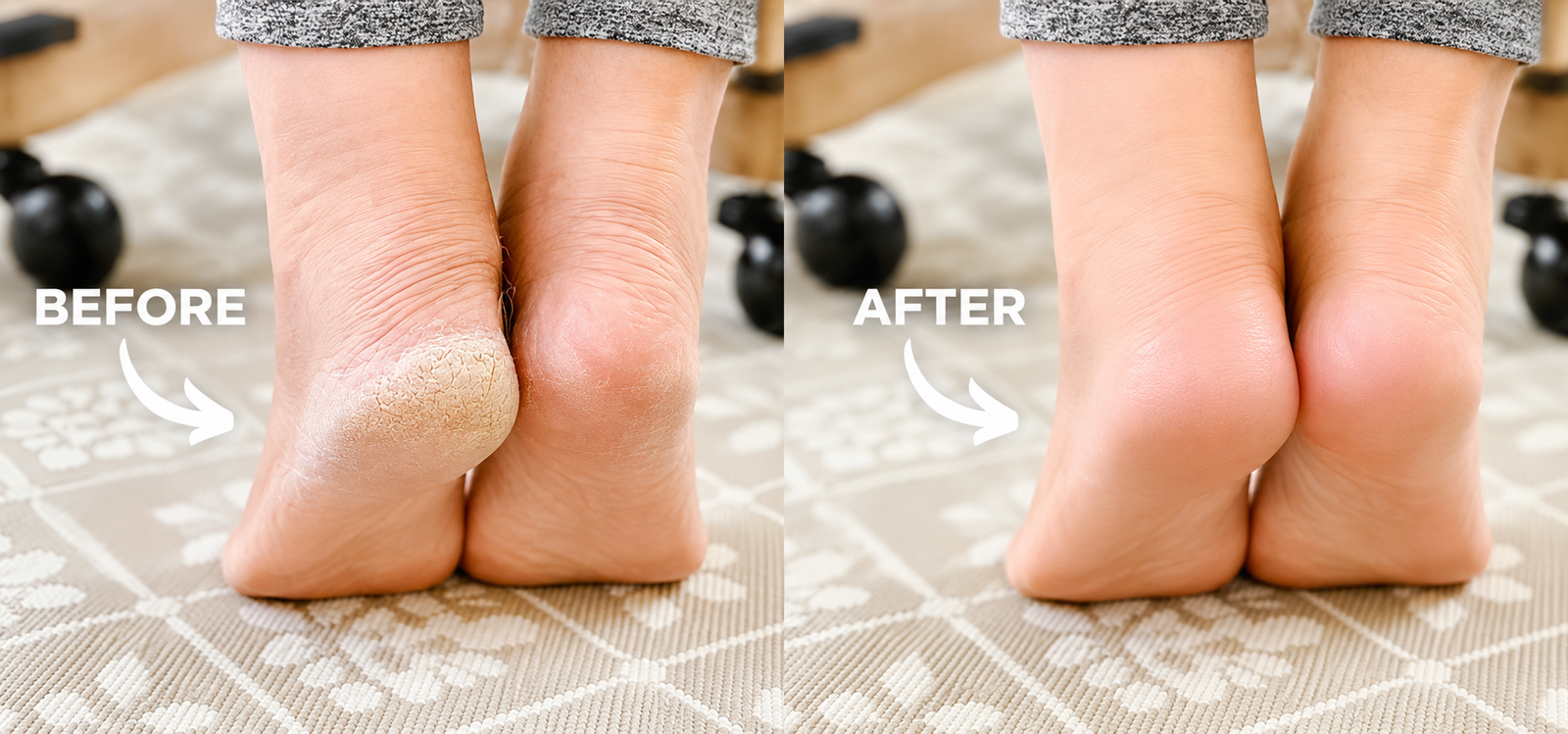
One of the biggest reasons people search why is the skin on my feet peeling is because of dry skin. Dry skin develops when your feet lose too much moisture. Without enough natural oils, the skin becomes rough, flaky, and eventually begins peeling.
Unlike other areas of the body, the soles of your feet don’t contain oil glands. They rely entirely on outside moisture and proper skincare to stay healthy. This makes them especially vulnerable to dryness.
Common Causes of Dry Feet
Many everyday habits contribute to dry skin, including:
- Long hot showers
- Cold winter weather
- Low indoor humidity
- Walking barefoot
- Wearing open sandals
- Aging skin
- Not drinking enough water
- Frequent washing with harsh soaps
These factors weaken the skin barrier until peeling begins.
Symptoms of Dry Skin
If dry skin is responsible for why is the skin on my feet peeling, you may notice:
- White or gray flaky patches
- Rough heels
- Small cracks
- Mild itching
- Tight feeling after bathing
- Fine peeling across the sole
In severe cases, deep cracks called fissures may develop, making walking painful.
Best Treatment for Dry Skin
The good news is that dry skin usually responds well to proper care.
Moisturize your feet immediately after bathing while the skin is still slightly damp. Thick creams and ointments generally work better than lightweight lotions because they lock moisture into the skin.
Choose products that are fragrance-free and designed for sensitive skin. Ingredients like urea, glycerin, ceramides, and shea butter can help repair the skin barrier.
Wearing cotton socks overnight after applying moisturizer can improve hydration even more.
If you’ve been asking why is the skin on my feet peeling, simple daily moisturizing may solve the problem within a few weeks.
Athlete’s Foot
Another extremely common answer to why is the skin on my feet peeling is athlete’s foot.
Athlete’s foot is a fungal infection that grows in warm, damp environments. Gyms, swimming pools, locker rooms, and sweaty shoes create the perfect conditions for fungus to thrive.
The infection often starts between the toes before spreading to the bottom or sides of the feet.
Symptoms of Athlete’s Foot
Athlete’s foot usually causes more than just peeling.
You may notice:
- Intense itching
- Burning sensation
- Red skin
- White soggy skin between toes
- Dry flaky patches
- Cracked skin
- Small blisters
- Unpleasant foot odor
If untreated, the fungus may even spread to your toenails.
Why Does It Cause Peeling?
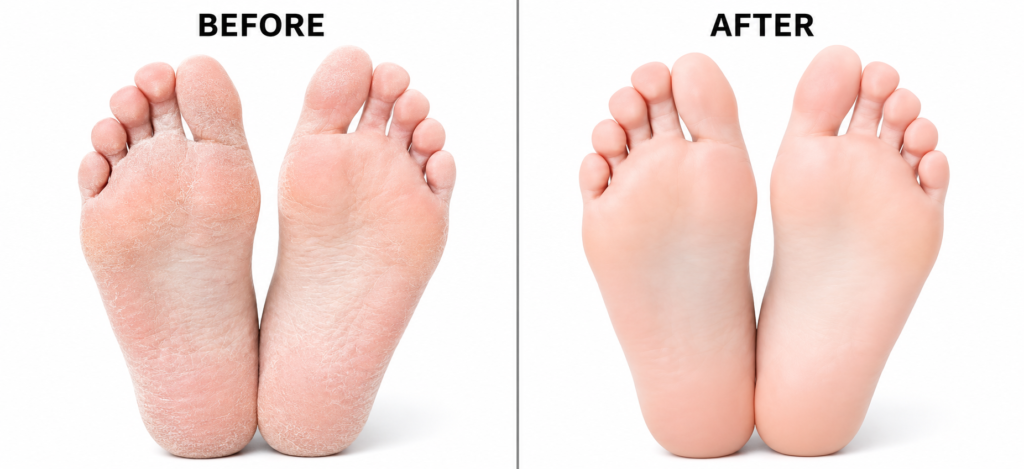
The fungus damages the outer layer of skin. As infected skin cells die, they begin lifting away from healthy skin, causing noticeable peeling.
Moisture trapped inside shoes makes the infection spread faster.
How to Treat Athlete’s Foot
If athlete’s foot explains why is the skin on my feet peeling, treatment should begin as soon as possible.
Helpful treatments include:
- Over-the-counter antifungal cream
- Antifungal spray
- Antifungal powder
- Washing feet daily
- Drying carefully between toes
- Changing socks frequently
- Wearing breathable shoes
- Rotating footwear
If symptoms continue for more than two weeks or worsen, prescription antifungal medication may be necessary.
Eczema
Many people don’t realize eczema can also explain why is the skin on my feet peeling.
Eczema is a chronic inflammatory skin condition that weakens the skin barrier. Because moisture escapes more easily, the skin becomes dry, itchy, inflamed, and starts peeling.
Some people develop eczema only on their feet, while others have it on different parts of the body as well.
Common Symptoms
Foot eczema often includes:
- Severe itching
- Dry patches
- Redness
- Peeling skin
- Tiny fluid-filled blisters
- Cracked skin
- Burning sensation
Dyshidrotic eczema, a specific type affecting hands and feet, frequently causes tiny itchy blisters that later dry and peel.
What Triggers Eczema?
Several things may trigger flare-ups:
- Stress
- Sweaty feet
- Harsh soaps
- Allergic reactions
- Seasonal weather changes
- Certain fabrics
- Irritating chemicals
If you keep wondering why is the skin on my feet peeling, notice whether your symptoms become worse after exposure to these triggers.
Treatment Options
Managing eczema requires repairing the damaged skin barrier.
Doctors often recommend:
- Fragrance-free moisturizers
- Thick barrier creams
- Prescription steroid creams
- Avoiding known triggers
- Gentle skin cleansers
- Cotton socks
- Keeping feet cool and dry
Psoriasis
If you’re still wondering, why is the skin on my feet peeling, psoriasis could be another possible cause. Psoriasis is a long-term autoimmune skin condition that causes skin cells to grow much faster than normal. Instead of shedding naturally over several weeks, new skin cells build up quickly, creating thick, dry, scaly patches that eventually crack and peel.
When psoriasis affects the soles of the feet, it is often called palmoplantar psoriasis. This condition can make walking painful because the thick skin may split and develop deep cracks.
Symptoms of Psoriasis on the Feet
Common signs include:
- Thick patches of dry skin
- White or silvery scales
- Red or darker inflamed areas depending on skin tone
- Deep cracks in the heels
- Pain while standing or walking
- Itching or burning
- Skin peeling in large flakes
Unlike athlete’s foot, psoriasis usually isn’t caused by an infection and isn’t contagious.
Why Does Psoriasis Cause Peeling?
If you’ve been asking why is the skin on my feet peeling, psoriasis causes peeling because skin cells multiply much faster than they can naturally shed. This creates layers of dead skin that eventually loosen and peel away.
Treatment
Managing psoriasis often requires long-term care.
Helpful treatments include:
- Thick moisturising creams
- Prescription corticosteroid creams
- Salicylic acid creams to soften thick skin
- Vitamin D creams
- Light therapy
- Oral or injectable medicines for severe cases
Keeping your feet moisturised every day also helps reduce cracking and discomfort.
Hyperhidrosis (Excessive Sweating)
Many people don’t realise that excessive sweating can answer the question, why is the skin on my feet peeling.
Hyperhidrosis causes the feet to sweat much more than normal. When skin stays wet for long periods, it becomes soft, weak, and easier to peel.
Symptoms
Hyperhidrosis often causes:
- Constant sweaty feet
- Soft white skin between the toes
- Peeling skin
- Unpleasant foot odour
- Burning sensation
- Increased risk of fungal infections
Why Sweating Causes Peeling
Healthy skin acts as a protective barrier.
When feet remain damp all day:
- The outer skin absorbs too much moisture.
- Friction from walking weakens the skin.
- Dead skin begins separating from healthy tissue.
- Peeling becomes more noticeable.
This is another common reason people search why is the skin on my feet peeling.
Treatment
Managing sweat can significantly improve peeling.
Try these tips:
- Change socks several times daily if necessary.
- Wear breathable cotton or moisture-wicking socks.
- Rotate shoes every day.
- Allow shoes to dry completely.
- Use foot powder.
- Apply prescription antiperspirants if recommended by a healthcare professional.
Contact Dermatitis
Another possible explanation for why is the skin on my feet peeling is contact dermatitis.
This condition occurs when your skin reacts to something it touches. The trigger may be an allergy or irritation from shoes, socks, detergents, soaps, lotions, or certain materials.
Symptoms
Contact dermatitis may cause:
- Redness
- Itching
- Burning
- Dry patches
- Small blisters
- Peeling skin
- Tenderness
The rash often appears exactly where the irritating material touches the skin.
Treatment
Treatment begins by removing the trigger.
You can also:
- Switch to fragrance-free soaps.
- Wear breathable cotton socks.
- Choose shoes made from breathable materials.
- Use moisturisers regularly.
- Apply mild hydrocortisone cream if advised.
If symptoms continue, prescription medication may be needed.
Sunburn
Many people forget to apply sunscreen to their feet.
As a result, sunburn is another answer to why is the skin on my feet peeling, especially during summer.
After several days, damaged skin naturally begins to peel while new skin develops underneath.
Symptoms
Sunburn may cause:
- Red skin
- Warmth
- Tenderness
- Swelling
- Blisters
- Peeling several days later
Treatment
To help your feet heal:
- Apply aloe vera gel.
- Use fragrance-free moisturiser.
- Drink plenty of water.
- Avoid additional sun exposure.
- Wear comfortable footwear until healing is complete.
Always apply SPF 30 or higher sunscreen to the tops of your feet when wearing sandals.
Corns and Calluses
If you’re asking why is the skin on my feet peeling, thick calluses or corns could also be responsible.
These develop because of repeated pressure and friction.
Over time, thick dead skin forms to protect the foot. Eventually, these layers dry out and begin peeling.
Symptoms
You may notice:
- Thick yellow skin
- Hard rough patches
- Pain while walking
- Cracked heels
- Peeling around thickened areas
Treatment
Treatment includes:
- Soaking feet in warm water.
- Gently using a pumice stone.
- Applying moisturiser daily.
- Wearing properly fitted shoes.
- Using cushioned insoles.
Never cut calluses yourself, especially if you have diabetes.
Blisters and Friction
Sometimes the answer to why is the skin on my feet peeling is much simpler than expected.
Shoes that rub against your skin create friction.
Repeated rubbing separates the skin layers, forming blisters. As blisters heal, the top layer dries and naturally peels away.
Common Symptoms
Blisters often include:
- Fluid-filled bumps
- Tender skin
- Pain while walking
- Peeling after healing
Treatment
Protect blisters by:
- Keeping them clean.
- Covering with a sterile dressing.
- Avoiding popping them.
- Wearing comfortable shoes.
- Reducing friction until healing is complete.
Diabetes and Peeling Feet
People living with diabetes often ask why is the skin on my feet peeling because diabetes affects circulation and nerve function.
Reduced blood flow makes skin drier and slower to heal.
Even small cracks may become infected if not treated promptly.
Symptoms
Watch for:
- Dry cracked heels
- Peeling skin
- Slow healing wounds
- Foot numbness
- Tingling
- Burning
- Foot ulcers
Treatment
People with diabetes should:
- Inspect their feet daily.
- Moisturise dry skin.
- Keep feet clean.
- Wear supportive shoes.
- Never ignore cuts or cracks.
- Schedule regular foot examinations.
Early treatment helps prevent serious complications.
When Should You See a Doctor?
Although many cases improve with home care, some symptoms should never be ignored.
Seek medical attention if you notice:
- Severe pain
- Swelling
- Fever
- Pus
- Spreading redness
- Deep bleeding cracks
- Difficulty walking
- Black skin
- Persistent peeling lasting several weeks
- Peeling with diabetes
- Signs of infection
If you’ve tried home treatment but still keep asking why is the skin on my feet peeling, a healthcare professional can determine the exact cause and recommend the most appropriate treatment.
How to Prevent Peeling Skin on Your Feet
If you’ve ever searched why is the skin on my feet peeling, prevention is just as important as treatment. Healthy daily habits can protect your skin barrier, reduce irritation, and lower the risk of infections that lead to peeling.
Moisturise Every Day
One of the easiest ways to prevent peeling feet is by moisturising consistently.
Apply a thick, fragrance-free cream or ointment every morning and before bed. Moisturising after a shower is especially effective because your skin absorbs moisture better while it is still slightly damp.
Look for products that contain ingredients such as:
- Urea
- Ceramides
- Glycerin
- Shea butter
- Petrolatum
These ingredients help repair the skin barrier and reduce dryness.
Wash Your Feet Properly
Clean your feet every day using lukewarm water and a gentle cleanser.
Avoid extremely hot water because it removes the skin’s natural oils, making dryness worse.
After washing, gently dry your feet with a clean towel, paying special attention to the spaces between your toes where moisture can become trapped.
Wear Breathable Footwear
Poor footwear is another reason many people ask why is the skin on my feet peeling.
Shoes that trap heat and moisture create the perfect environment for fungal infections and irritated skin.
Choose shoes that:
- Allow airflow
- Fit correctly
- Reduce friction
- Support your feet properly
Whenever possible, rotate your shoes instead of wearing the same pair every day.
Change Socks Frequently
Sweaty socks hold moisture against your skin for hours.
If your feet sweat heavily:
- Wear moisture-wicking socks.
- Change socks after exercise.
- Replace damp socks immediately.
- Wash socks after every use.
Keeping your feet dry greatly reduces peeling caused by fungus and excessive moisture.
Avoid Walking Barefoot in Public
Locker rooms, swimming pools, gyms, and public showers are common places where fungal infections spread.
Wear flip-flops or shower sandals whenever you’re in shared wet areas.
This simple habit lowers your risk of athlete’s foot, one of the leading reasons people wonder why is the skin on my feet peeling.
Simple Home Remedies for Peeling Feet
Many mild cases improve with consistent home care.
Soak Your Feet
Soaking your feet in warm water for about 10–15 minutes can soften dry skin.
After soaking:
- Pat your feet dry.
- Apply moisturiser immediately.
- Put on cotton socks overnight for added hydration.
Avoid soaking for too long, as excessive soaking may dry the skin further.
Gently Exfoliate
Once or twice a week, use a pumice stone or soft foot file to remove loose dead skin.
Always exfoliate gently. Scrubbing too hard can damage healthy skin and make peeling worse.
Stay Hydrated
Your skin needs water to remain healthy.
Drinking enough water throughout the day helps maintain skin hydration from the inside and supports the skin’s natural repair process.
Eat Skin-Friendly Foods
A healthy diet can improve skin health.
Foods rich in these nutrients are particularly beneficial:
- Vitamin A
- Vitamin C
- Vitamin E
- Zinc
- Omega-3 fatty acids
- Protein
These nutrients support collagen production and help maintain a strong skin barrier.
Protect Your Feet from the Sun
If you wear sandals or spend time outdoors, don’t forget your feet.
Apply broad-spectrum SPF 30 or higher sunscreen to the tops and sides of your feet before going outside.
Common Mistakes That Make Peeling Worse
If you’ve been asking why is the skin on my feet peeling, you may unknowingly be making the problem worse.
Avoid these common mistakes:
- Picking or pulling peeling skin
- Using very hot water
- Walking barefoot on rough surfaces
- Wearing tight shoes every day
- Ignoring fungal infections
- Sharing towels or shoes
- Skipping moisturiser
- Wearing damp socks for long periods
- Using harsh soaps containing alcohol or strong fragrances
Making a few small changes can often speed up healing.
Frequently Asked Questions
Why is the skin on my feet peeling but not itchy?
Dry skin, sunburn, friction, or healing blisters often cause peeling without itching. If peeling continues or becomes painful, it’s worth getting it checked.
Why is the skin on my feet peeling between my toes?
Peeling between the toes is commonly linked to athlete’s foot, excessive sweating, or trapped moisture. Keeping the area clean and dry and using an antifungal treatment when appropriate often helps.
Why is the skin on my feet peeling after wearing new shoes?
New shoes may create friction or trigger contact dermatitis if your skin reacts to certain materials. Well-fitting shoes and moisture control can reduce this problem.
Can dehydration cause peeling feet?
Yes. Dehydration reduces moisture in the skin, making it dry, flaky, and more likely to peel.
Is peeling skin on the feet always a fungal infection?
No. Although athlete’s foot is common, peeling can also result from dry skin, eczema, psoriasis, sunburn, allergies, friction, or diabetes-related skin changes.
Can I remove peeling skin myself?
It is better to let loose skin come away naturally. Pulling or cutting peeling skin can create small wounds and increase the risk of infection.
Final Thoughts
If you’ve been wondering why is the skin on my feet peeling, the answer depends on the underlying cause. Dry skin, athlete’s foot, eczema, psoriasis, excessive sweating, friction, sunburn, contact dermatitis, corns, calluses, blisters, and diabetes-related skin changes can all lead to peeling skin. Understanding the cause is the key to choosing the right treatment.
Most cases improve with simple measures such as keeping your feet clean and dry, moisturising daily, wearing breathable footwear, and treating fungal infections promptly. However, persistent peeling, severe pain, deep cracks, swelling, or signs of infection should never be ignored. Seeking medical advice early can prevent complications and help you recover more quickly.
By following a consistent foot care routine and protecting your skin every day, you can reduce the chances of peeling returning. Healthy feet support your daily activities, so taking care of them is an important part of your overall well-being.
Whether your peeling is caused by dryness, irritation, or an underlying skin condition, identifying the reason behind why is the skin on my feet peeling allows you to take the right steps towards healthier, smoother, and more comfortable feet. With the right care and treatment, most people can restore their skin barrier, relieve discomfort, and keep their feet looking and feeling their best.